High-Performance Industrial Vacuum Sintering Furnace
High-temperature, low-oxygen vacuum sintering systems built for powder metallurgy (PM), metal injection molding (MIM), and advanced ceramics.
Haitem Furnace delivers robust, precision-controlled industrial sintering equipment to global manufacturers. Engineered for complex thermal processing, our high-vacuum furnaces ensure superior material density, zero oxidation, and low cost of ownership.
Max Temp
2400°C
Vacuum Level
10⁻³ Pa
Uniformity
±3°C
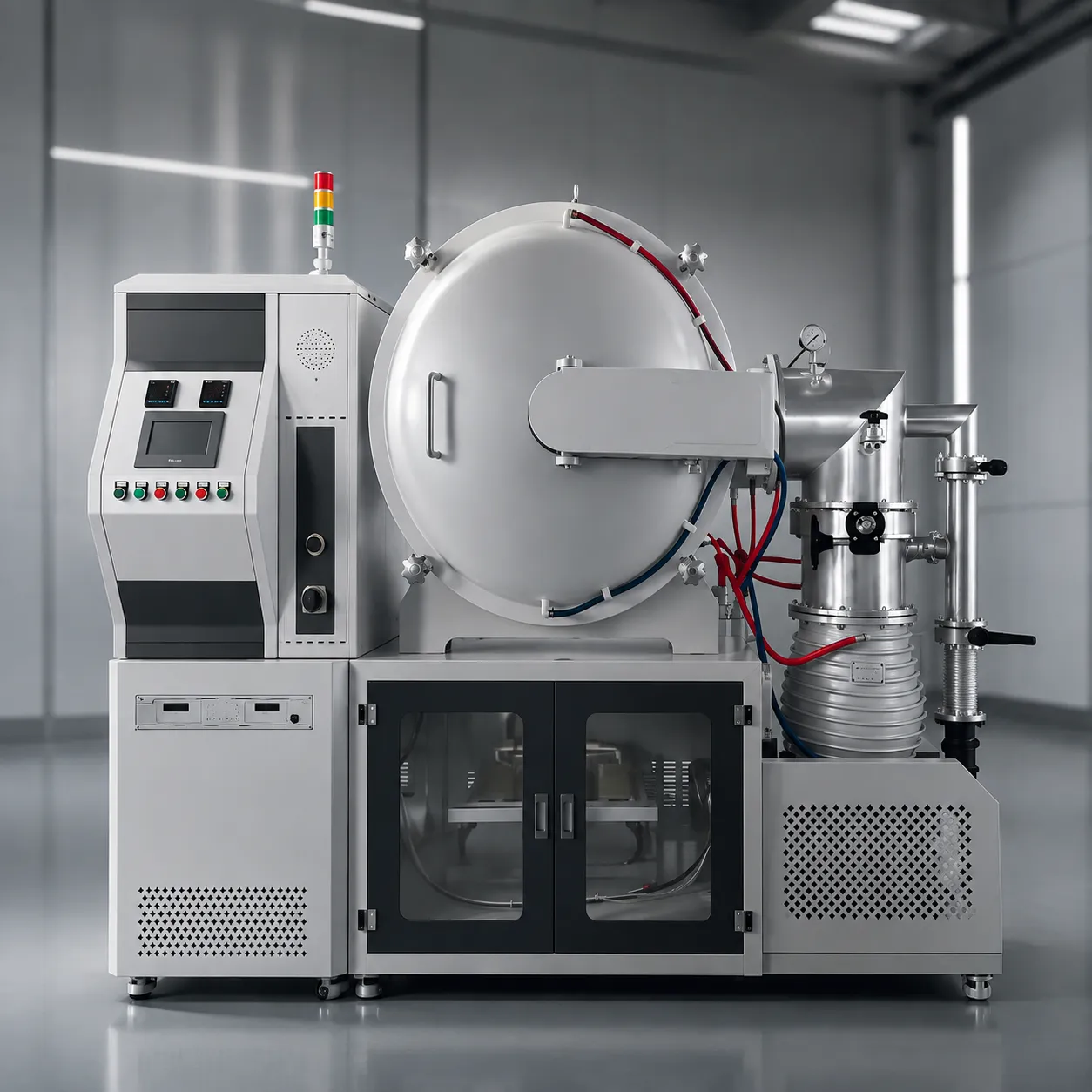
3D Device Visualization
Vacuum Sintering Equipment
Why Choose the Haitem Vacuum Sintering System?
Conventional atmosphere sintering often exposes high-precision components to severe surface oxidation, trapped micro-porosity, and non-uniform thermal distortion. Powered by proprietary high-temperature thermal technology, Haitem Furnace delivers advanced industrial vacuum furnaces engineered to maximize material density, eliminate interstitial impurities, and significantly boost the mechanical performance of complex powder metallurgy, MIM, and technical ceramic parts. Learn more about us and our thermal processing expertise.
Extreme Low Oxygen Sintering
Preventing metal oxidation during high-temperature thermal processing is vital for maintaining phase purity and intergranular strength. Our system establishes a ultra-high vacuum environment that eliminates residual oxygen, preventing surface scale formation and oxide inclusion in reactive metal alloys.
- Prevents Metal Oxidation: Protects titanium, stainless steel, and refractory metals from atmospheric degradation.
- Enhanced Surface Purity: Delivers pristine metallic luster and defect-free surface finish without secondary pickling or polishing.
Efficient Debinding & High-Density Sintering
Thorough removal of organic binders and trapped volatile compounds prior to final stage densification is necessary to prevent micro-fissures. Our integrated negative pressure thermal debinding system extracts gaseous byproducts cleanly, enabling void-free particle bonding.
- Micropore Elimination: Removes organic binder residue and carbon contamination to optimize green compact density.
- Near-Theoretical Density: Reaches up to 99.5%+ material density for complex MIM and powder metallurgy components.
Precise PID Temperature Control
Thermal uniformity directly dictates microstructural grain growth and final dimensional precision. Multi-zone microcomputer PID controllers precisely manage heating curves, dwell times, and cooling rates to eliminate internal thermal stress and geometric distortion.
- Uniform Heat Distribution: Maintains tight thermal tolerances within ±3°C across the entire working zone.
- Reduced Thermal Stress: Prevents warping, micro-cracking, and non-uniform shrinkage in delicate geometric parts.
Energy-Efficient Hot Zone Insulation
Constructed with high-purity graphite felt or composite metal thermal shields, our hot zones maximize radiant thermal reflection and minimize ambient heat loss, substantially lowering operational power consumption during continuous batch runs.
- Customizable Hot Zones: Choice of high-purity graphite or molybdenum/tungsten metal shields tailored to process chemistry.
- Lower Operating Costs: Superior energy retention reduces kilowatt consumption per batch and shortens cycle times.
Elevate Mechanical Strength & Density for Advanced Materials
By integrating ultra-clean vacuum atmospheres with controlled negative-pressure debinding, Haitem Furnace systems eliminate common metallurgical defects such as micro-porosity, residual carbon staining, and uncontrolled grain coarsening. Discover our advanced manufacturing-capabilities to see how the practical vacuum sintering benefits extend directly to industrial powder metallurgy sintering, high-volume MIM fabrication, and advanced ceramic densification.
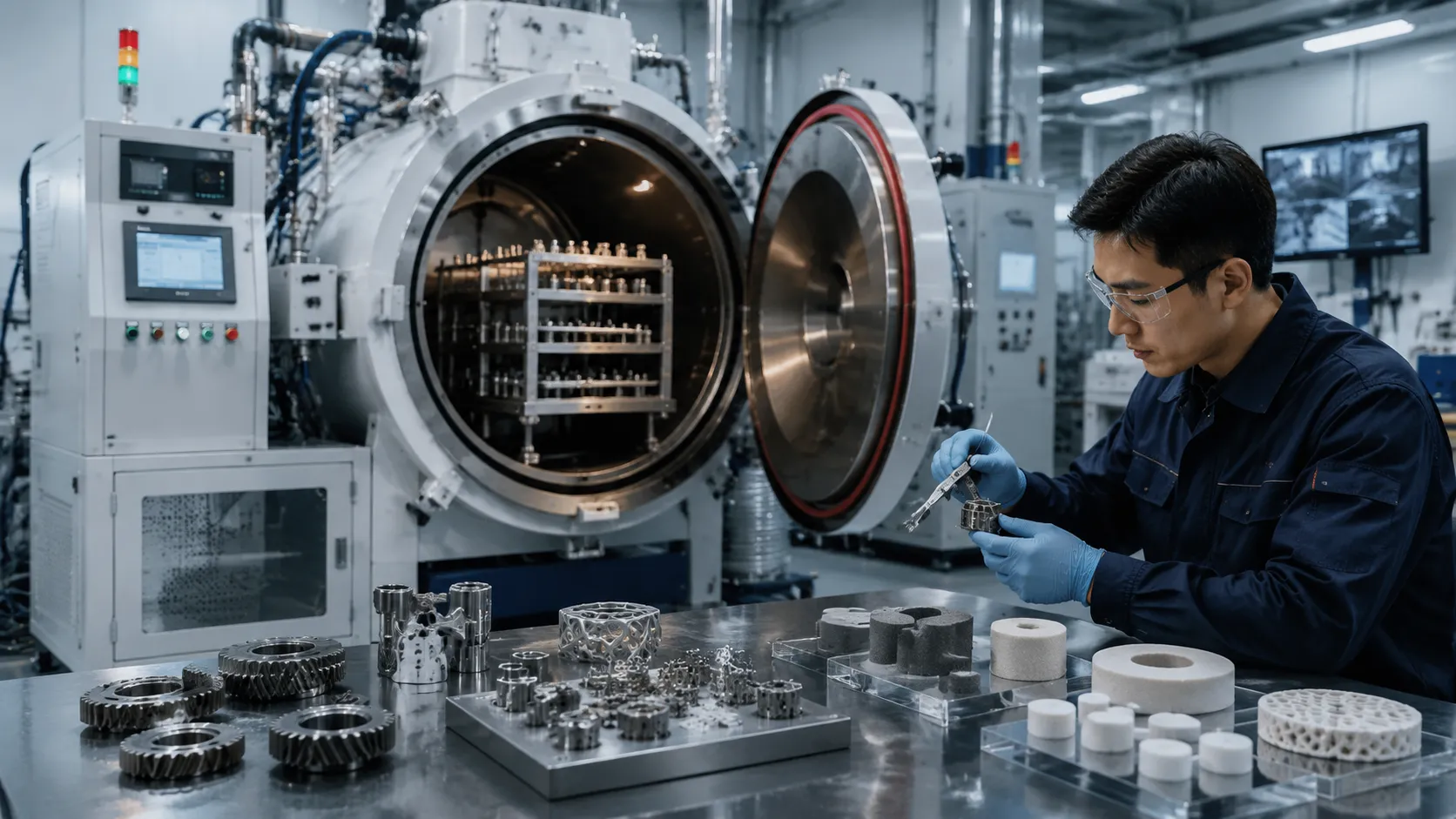
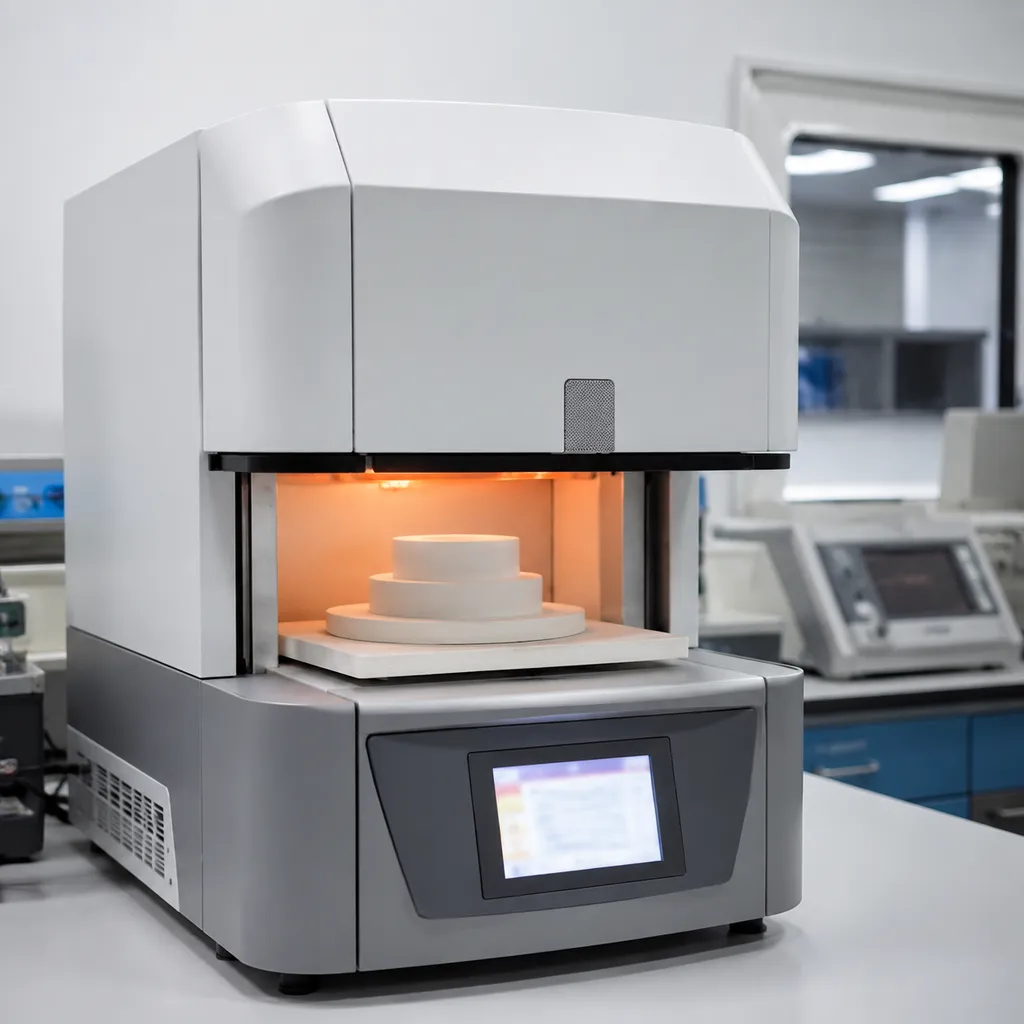
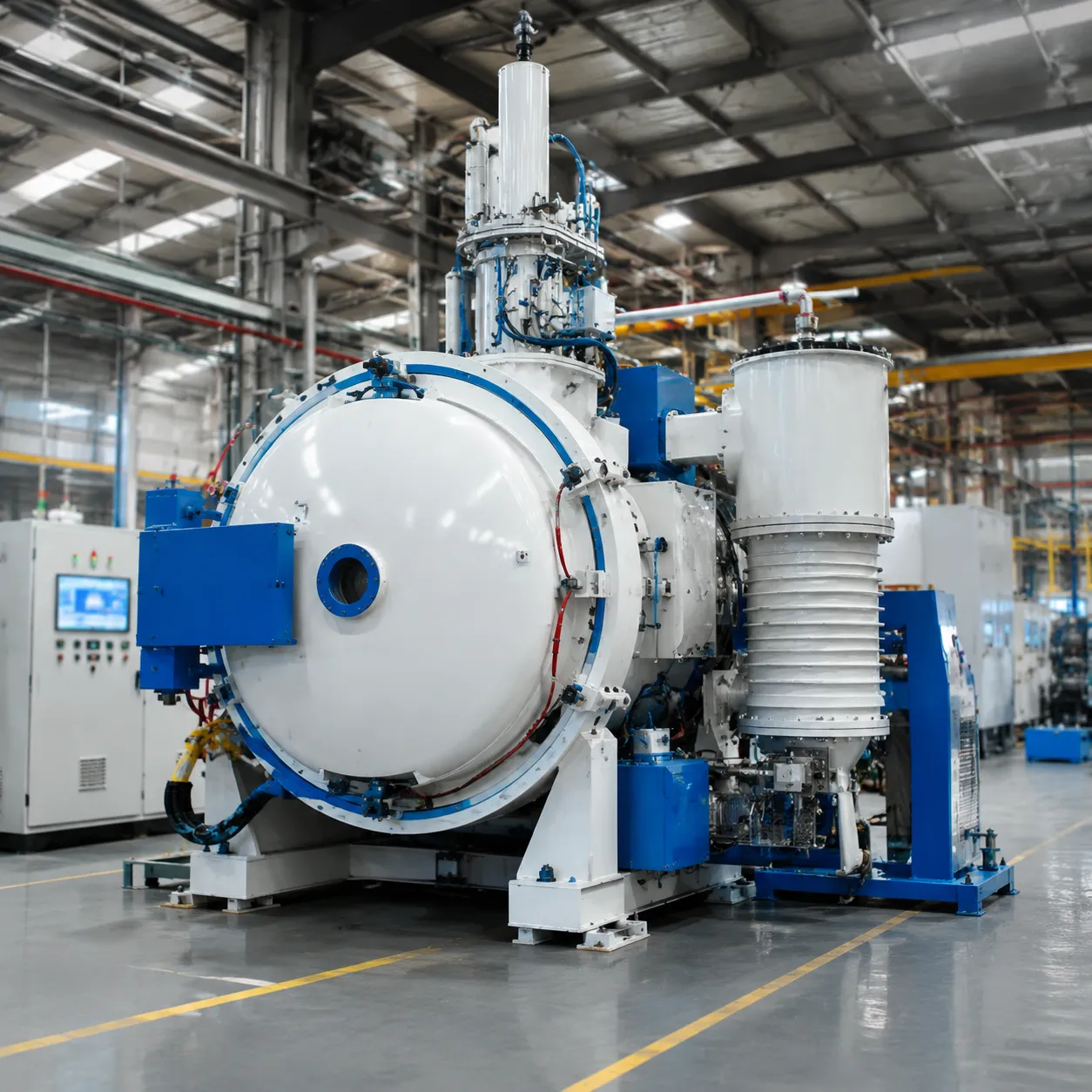
Vacuum Sintering Furnace Specifications & Model Parameters
Engineered for technical audits and procurement evaluations, Haitem Furnace provides standardized hardware parameters, extreme working temperature limits, and competitive vacuum sintering furnace pricing for demanding manufacturing environments. Explore our complete range of high-performance vacuum furnaces to find the ideal thermal processing system for your facility.
High-Purity Graphite Hot Zone Specifications
High working temperature vacuum furnace capability optimized for cost-effective cemented carbide and structural ceramic sintering.
All-Metal Shield Hot Zone Specifications
Ultra-clean thermal processing engineered for carbon-sensitive medical implants and high-purity titanium sintering.
Tailored Furnace Engineering & Custom Process Integration
Beyond standardized vacuum sintering furnace specifications, Haitem Furnace provides complete bespoke customization options backed by our advanced manufacturing-capabilities to match your exact material process. We tailor furnace body dimensions, gas line configurations, and automated loading/unloading systems for specialized applications like cemented carbide and titanium alloy sintering.
Custom Chamber Size
Scalable hot zone dimensions
Gas Line Systems
Multi-channel atmosphere control
Automated Loading
Robotic & tray handling integration
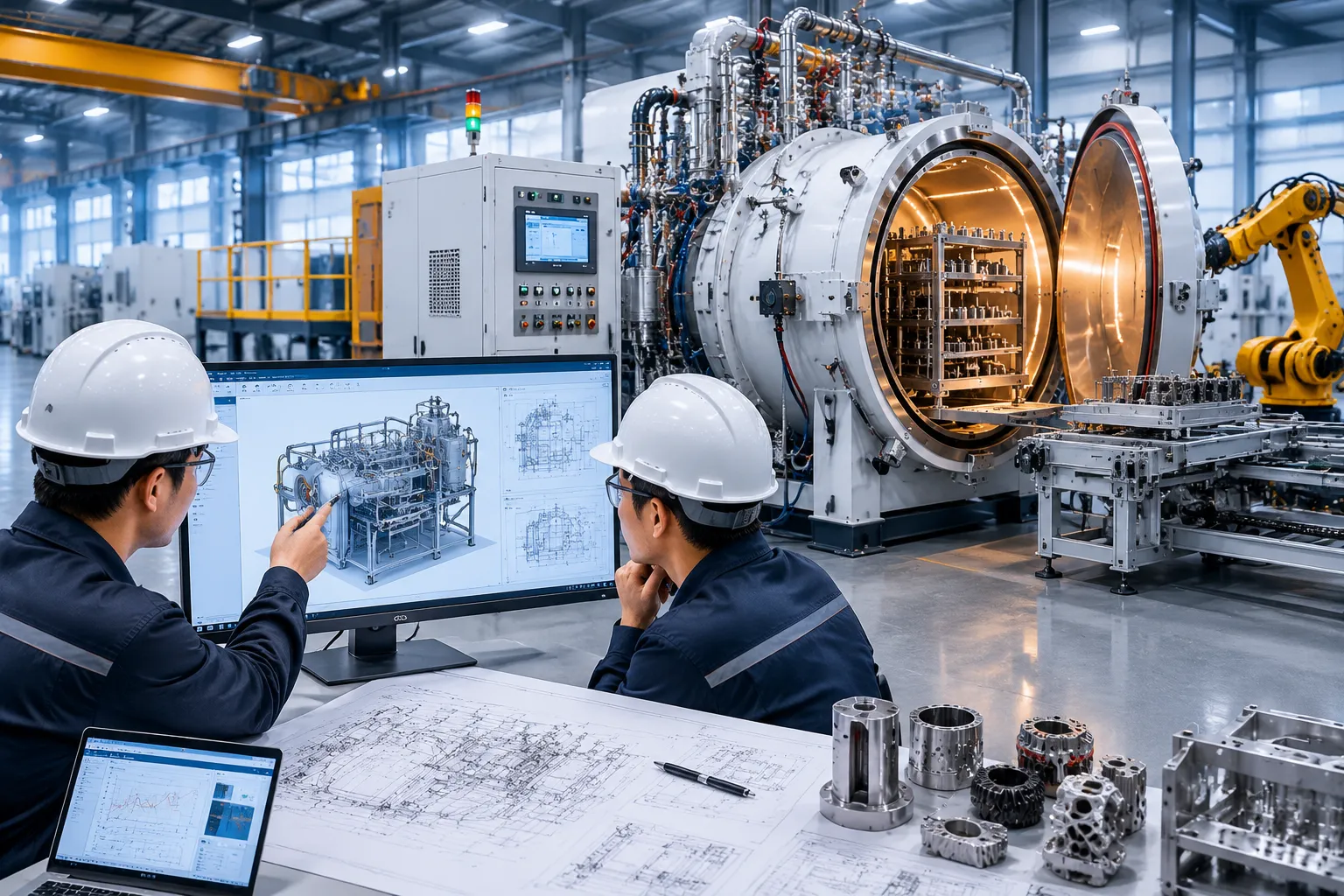
High-End High-Temperature Sintering Solutions for Advanced Industries
Modern high-tech manufacturing demands extreme structural integrity, high density, and pristine material purity. Haitem Furnace supplies state-of-the-art vacuum sintering equipment tailored for complex material processing across diverse high-precision sectors. From high-density powder metallurgy components to delicate semiconductor ceramics, our advanced thermal systems deliver oxygen-free processing environments, guaranteeing superior mechanical properties and outstanding batch-to-batch repeatability. Learn more about our company background about us to see how we innovate thermal solutions.
Powder Metallurgy Structural Components and Tooling
Powder metallurgy sintering forms the cornerstone of heavy-duty industrial tooling, wear-resistant machinery components, and automotive structural parts. Conventional atmosphere thermal processing often suffers from residual oxygen contamination, leading to internal oxidation, micro-void formation, and compromised mechanical strength. Haitem Furnace vacuum sintering systems eliminate these quality bottlenecks by maintaining an ultra-clean vacuum environment throughout the thermal cycle.
Our high-temperature vacuum equipment enables precise, defect-free densification for tungsten carbide cutting tools, high specific gravity alloys, and complex iron-copper structural parts. By precisely controlling multi-segment heating programs and deep vacuum levels down to 10⁻³ Pa, processed parts achieve near-theoretical density while preserving exceptional fracture toughness and long service life.
- ✓ Cemented Carbide Densification: Suppresses binder phase volatilization while achieving full density in cobalt-bound tungsten carbide tooling.
- ✓ High Specific Gravity Alloys: Ensures uniform liquid-phase sintering without gravity-induced deformation or phase segregation.
- ✓ Enhanced Structural Integrity: Thoroughly removes internal micropores, delivering superior tensile strength and fatigue resistance across all sintered parts.
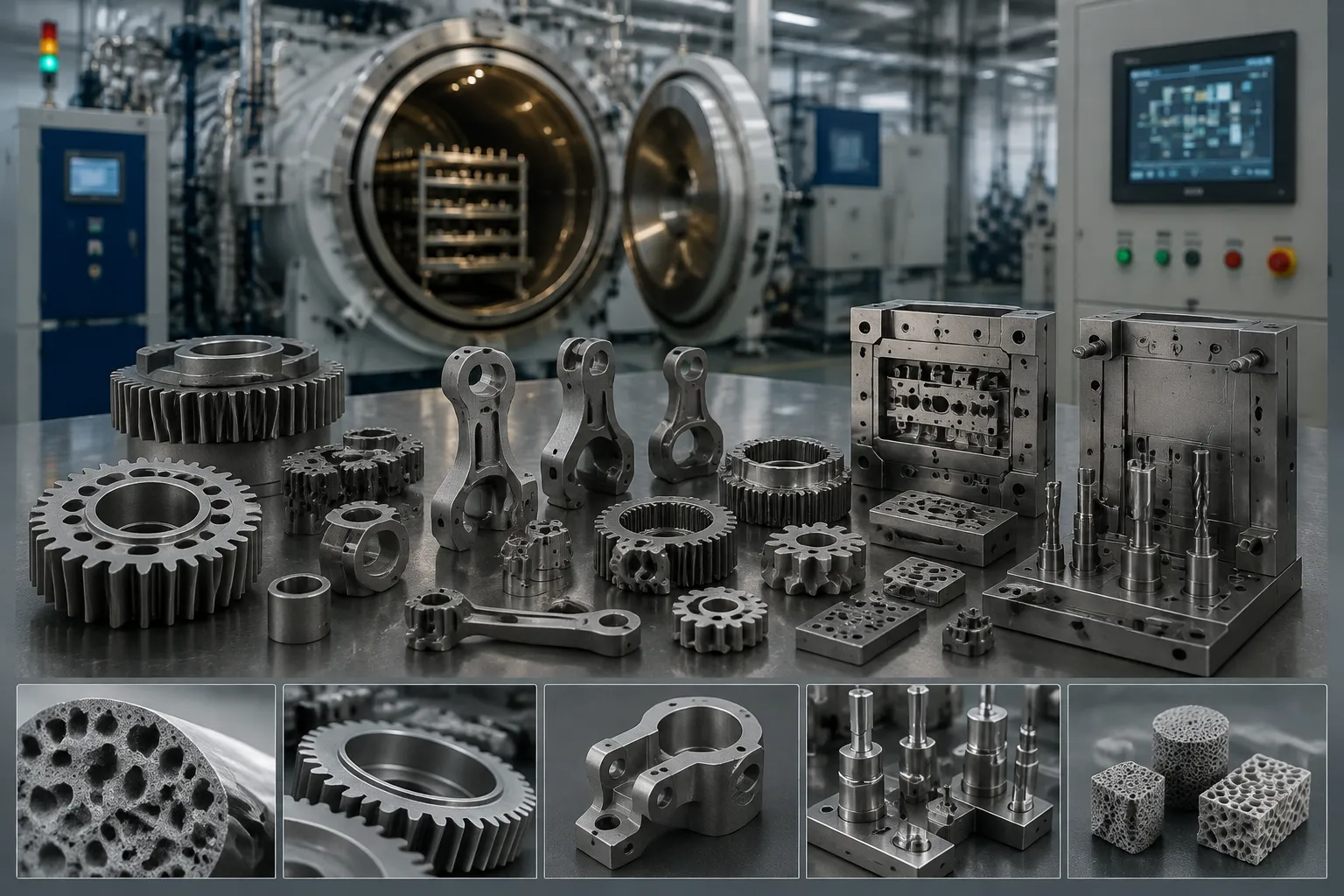
Metal Injection Molding (MIM) Precision Components
Metal Injection Molding (MIM) enables the economic mass production of intricate, net-shape metal parts for medical devices, consumer electronics, and automotive assemblies. Organic polymer binder removal and subsequent metal densification are pivotal steps in ensuring final dimensional precision. A high-performance MIM sintering furnace must seamlessly integrate complete thermal debinding with rapid sintering without causing carbon contamination or thermal distortion.
Haitem Furnace provides specialized MIM sintering systems featuring an all-in-one process that combines thermal debinding under negative pressure and high-vacuum sintering in a single chamber. This streamlined operation eliminates manual workpiece handling between separate units, drastically reduces processing cycle times, and guarantees defect-free, high-density finished components.
- ✓ All-in-One Debinding and Sintering: Negative-pressure carrier gas sweeps purge polymer binders cleanly, eliminating soot buildup and residual carbon.
- ✓ Uniform Thermal Control: Multi-zone PID heating holds temperature field uniformity within ±3°C, preserving intricate geometries without warping.
- ✓ Broad Alloy Versatility: Processes 17-4PH stainless steel, titanium alloys, and tool steels with total batch-to-batch repeatability.
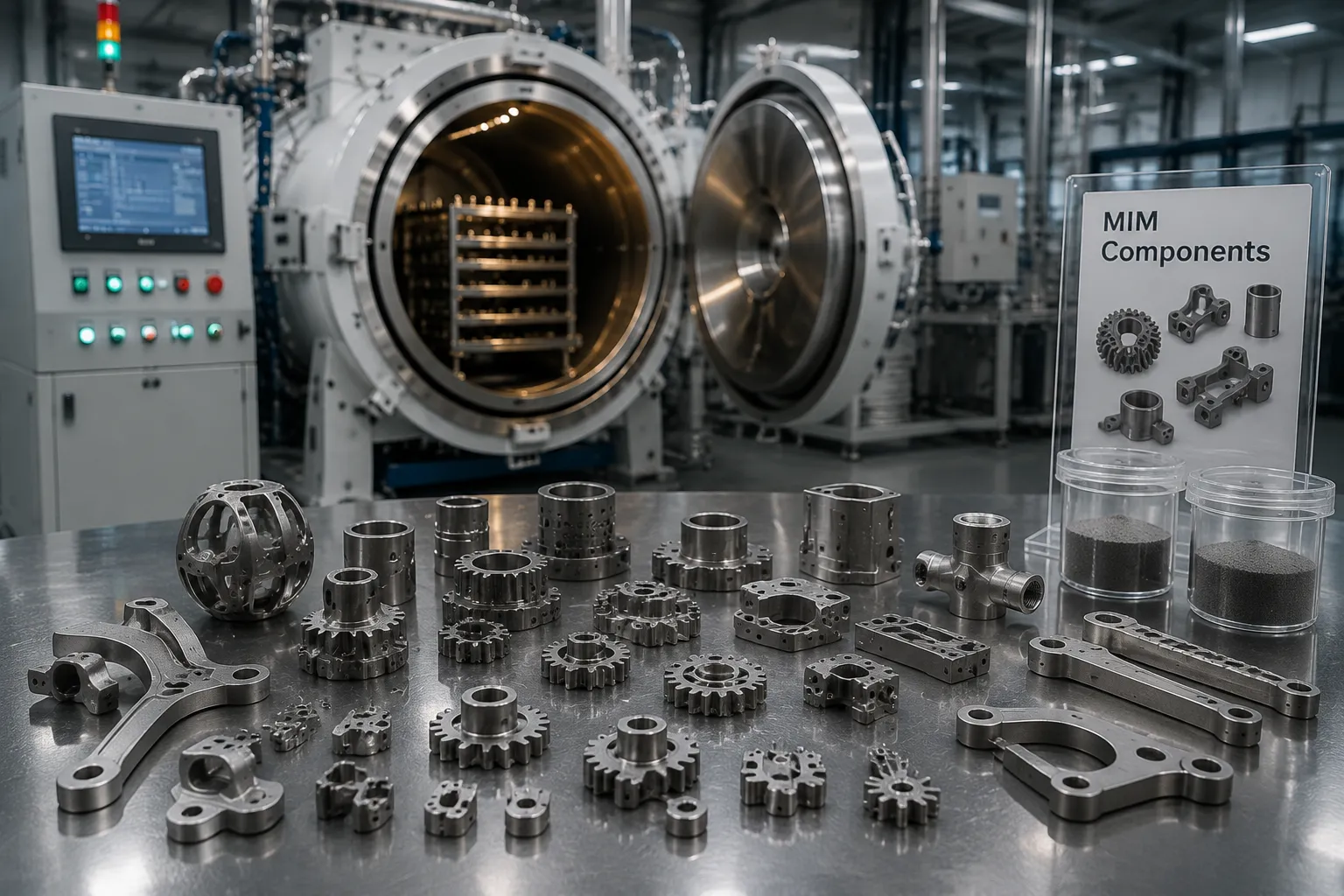
Advanced Ceramics and Semiconductor Material Processing
Technical ceramics require extreme operational temperatures and strictly non-reactive environments to achieve peak electrical insulation, thermal conductivity, and mechanical hardness. In semiconductor wafer fabrication, ceramic components such as processing rings, electrostatic chucks, and plasma shields demand advanced ceramic sintering in ultra-pure environments free from oxygen and trace particle contamination.
Haitem Furnace engineers custom high-temperature vacuum sintering systems tailored for non-oxide ceramics, including silicon nitride, silicon carbide, and aluminum nitride. Precise micro-atmosphere gas dosing prevents thermal decomposition at working temperatures up to 1800°C while promoting uniform grain growth and maximum material density.
- ✓ Ultra-High Temperature Operation: Continuous thermal processing up to 2400°C with automated multi-segment microcomputer PID control.
- ✓ Contamination-Free Environment: Complete oxygen exclusion guarantees semiconductor-grade material purity and structural stability.
- ✓ Multi-Gas Atmosphere Options: Configurable partial-pressure argon and nitrogen purging prevents high-temperature chemical breakdown.
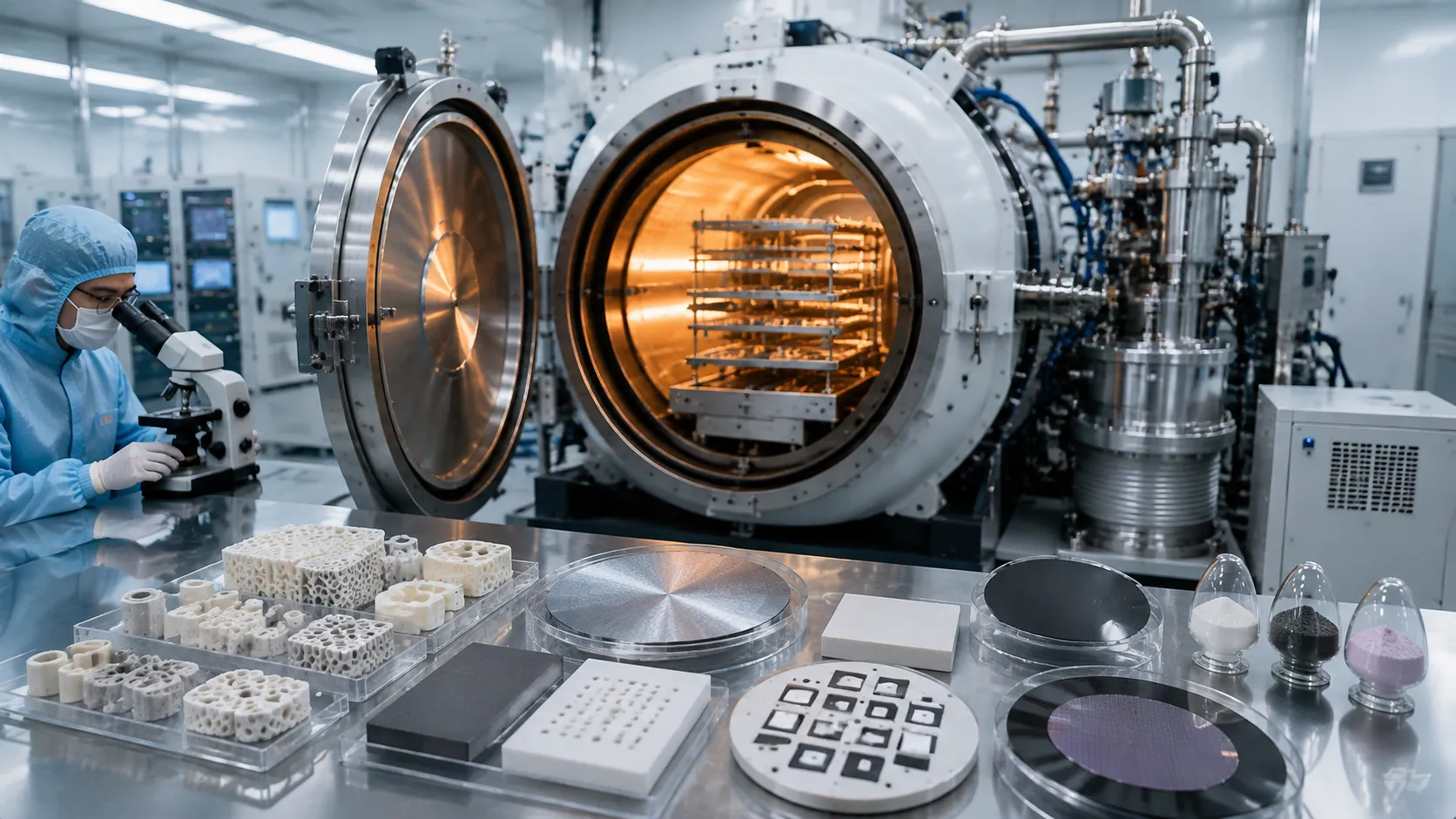
Rare Earth Permanent Magnets and Magnetic Materials
High-performance permanent magnets—such as Neodymium Iron Boron (NdFeB) and Samarium Cobalt (SmCo)—are highly reactive to oxygen and moisture at elevated temperatures. Exposure to ambient oxygen during thermal processing oxidizes rare-earth grain boundary phases, degrading intrinsic coercivity and maximum magnetic energy product (BH)max.
Haitem Furnace produces specialized high-vacuum sintering systems equipped with robust vacuum pump sets and multi-layer metallic radiation shielding. Featuring rapid forced-gas cooling and precise thermal field uniformity, our furnaces enable magnet manufacturers to achieve optimal grain boundary diffusion, high coercivity, and superior magnetic properties for electric vehicles and renewable energy systems.
- ✓ High-Vacuum Oxidation Shielding: Rapidly reaches ultimate vacuum levels down to 10⁻³ Pa to protect sensitive rare-earth metallic phases.
- ✓ Forced Gas Quenching: Integrated high-pressure gas quenching preserves optimal microstructural phases immediately post-sintering.
- ✓ Proven Industrial Reliability: Haitem Furnace equipment is actively deployed in world-leading magnetic material manufacturing facilities.
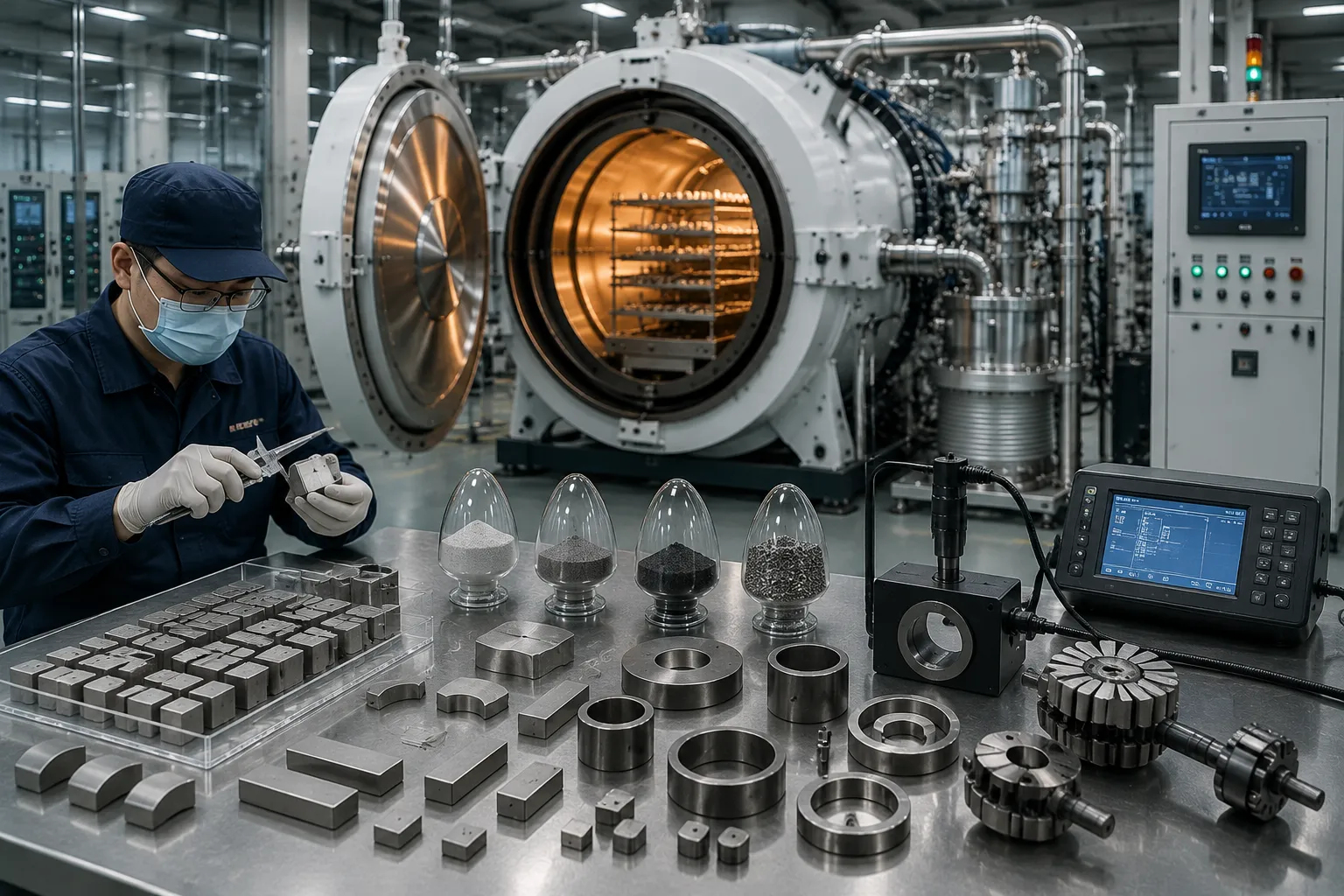
Vacuum Sintering vs. Traditional Atmosphere Sintering: How to Choose
Selecting the right sintering thermal processing method directly determines part density, structural integrity, and manufacturing efficiency. Evaluate how an industrial vacuum sintering furnace outperforms conventional controlled atmosphere systems across critical metallurgical parameters. Explore our full range of thermal engineering products to support your production goals.
Vacuum Sintering System
Oxygen-Free High-Vacuum Processing Environment
An advanced thermal processing solution operating under deep vacuum conditions (10-3 Pa) to prevent oxidation and impurity build-up. Engineered specifically for complex powder metallurgy, metal injection molding (MIM), titanium alloys, and technical ceramics requiring near-theoretical density.
- Zero-Oxidation Atmosphere:
Completely eliminates ambient oxygen to maintain high chemical purity, pristine surface finishes, and optimal grain boundary cohesion.
- Low Microporosity & Near-Theoretical Density:
Active negative pressure debinding thoroughly evacuates volatile organic binders, eliminating internal micro-voids to achieve >99.2% part density.
- Finished Pass Rate Increased Over 15%:
Precision PID multi-zone programming ensures uniform heat distribution (±3°C), preventing thermal stress deformation and component cracking.
- No Dust Pollution or High Gas Expense:
Sealed thermal chamber eliminates workshop contamination and avoids the continuous financial overhead of high-flow gas purges.
Controlled Atmosphere Furnace
Continuous Shielding Gas Flow Environment
A conventional thermal processing method relying on continuous protective gas purges (Hydrogen, Nitrogen, or Argon). Effective for high-volume standard components, but constrained by residual gas purity limits and trapped volatile binder residues.
- Trace Oxygen Risk:
Minor impurities or pressure fluctuations in purge lines can cause surface oxidation and grain boundary weakness.
- Unresolved Deep Degassing Issues:
Cannot fully extract trapped binders from dense or complex geometries, leaving microscopic voids and carbon deposits.
- High Continuous Gas Supply Overhead:
Demands massive continuous volumes of high-purity shielding gas, driving up long-term operational expenditures.
- Limited High-Precision Yield:
Effective for high-volume basic shapes, but prone to higher distortion and scrap rates in high-precision components.
Process Performance Comparison Matrix
Detailed evaluation of oxygen-free vacuum vs. controlled atmosphere thermal processing systems
| Comparison Dimension | Vacuum Sintering Furnace | Controlled Atmosphere Furnace |
|---|---|---|
| Oxygen Content Control | Ultra-low oxygen environment (<10 PPM) via active vacuum pumping | Moderate control reliant on incoming gas stream purity |
| Product Density & Porosity | Near-theoretical density (>99.2%) with zero trapped gas pockets | Standard density (92%–96%) with residual micro-void risks |
| Grain Uniformity | Fine, highly consistent grain structure via precise PID thermal uniformity | Moderate grain growth variation across continuous furnace zones |
| Exhaust & Environmental Impact | Zero direct workshop emissions or open gas burn-off requirements | Requires burn-off flares or scrubbers for exhaust gas treatment |
| Comprehensive Operational Cost (TCO) | Lower overall operating cost via high yield, low scrap, and minimal gas consumption | Higher long-term continuous gas expenditures and potential rework costs |
Why Industrial Vacuum Sintering Furnaces Are Crucial for Mission-Critical Metallurgy
In modern powder metallurgy, metal injection molding (MIM), and advanced ceramic manufacturing, mechanical performance hinges on eliminating micro-voids and surface contamination. Learn more about our advanced manufacturing capabilities designed to deliver high-precision thermal systems. While continuous controlled atmosphere furnace systems serve standard commodity shapes, complex alloys demand the clean, unyielding thermal control of a dedicated vacuum sintering furnace.
Operating under deep negative pressure (10-3 Pa) vaporizes and extracts organic binding agents completely during early heating stages. This prevents carbon buildup and enables smooth liquid-phase sintering to form strong, homogenous grain boundaries across delicate geometries.
- Superior Mechanical Strength: High structural density yields maximum tensile, impact, and fatigue resistance.
- Tight Dimensional Stability: Multi-zone thermal control eliminates warping and uneven shrinkage across complex parts.
- Maximized Pass Rates: Repeatable vacuum cycles protect high-value alloy formulations and lower scrap costs.
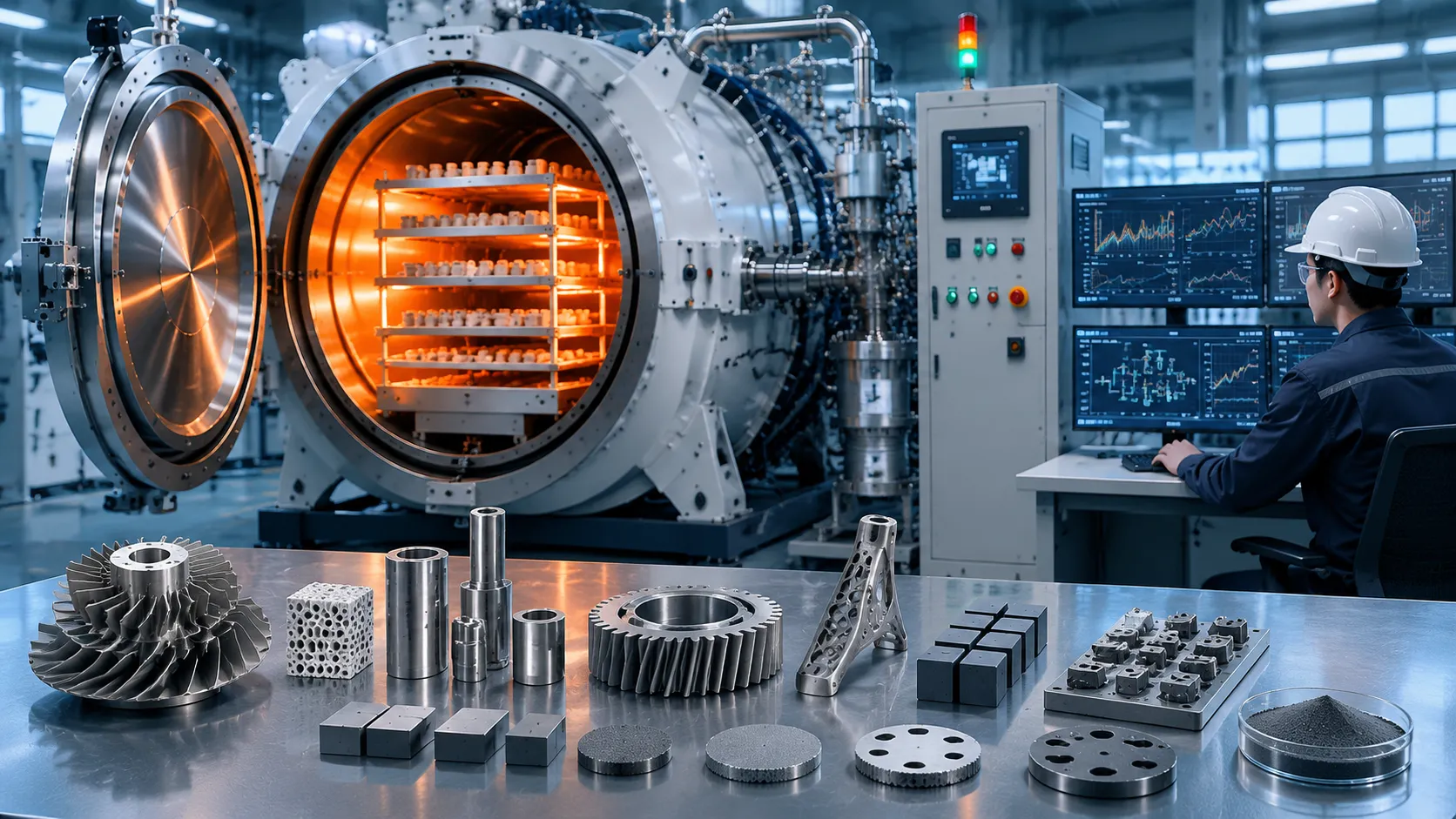
Precision Engineering
Haitem Furnace high-vacuum hot zones deliver repeatable microstructural purity and density across every production batch.
Unsure Which Sintering Environment Suits Your Production Line?
The Haitem Furnace thermal engineering expert team offers complimentary sintering process comparisons, thermal evaluations, and trial sample sintering services. Contact our engineers to evaluate your part geometry, alloy specs, and throughput goals before making equipment investments.
Frequently Asked Questions About Vacuum Sintering Furnaces
Get expert technical insights on hot zone selection, integrated negative pressure debinding, production cycle lead times, and comprehensive vacuum furnace maintenance programs provided by the engineering team at Haitem Furnace.
Standard Haitem Furnace high-temperature equipment across our full range of vacuum furnaces achieves operating temperatures up to 2400°C (4352°F), with ultra-high temperature custom configurations reaching up to 2400°C for specialized advanced ceramic and refractory alloy processing. Selecting the right hot zone structure depends on your target material properties, required purity levels, and operational budget:
- High-Purity Graphite Hot Zones: Designed with multi-layer rigid graphite felt insulation and high-density graphite heating elements. These provide exceptional thermal shock resistance, superior energy efficiency, lower initial capital cost, and straightforward field replacement. They are optimal for cemented carbide cutting tools, structural ceramics, and general powder metallurgy sintering.
- All-Metal Shield Hot Zones: Constructed using molybdenum, tungsten, or stainless steel radiation shields with high-purity metallic heating elements. All-metal configurations prevent carbon contamination completely, making them mandatory for titanium alloys, medical implants, high-purity refractory metals, and semiconductor materials requiring high-vacuum cleanliness.
Have Specific Thermal Process Questions?
Consult with Haitem Furnace application specialists to evaluate your material specifications, determine vacuum level requirements, or request a customized equipment quotation.
- Free thermal cycle process & sample trial testing
- Itemized quote & system drawing within 24 hours
- Custom hot zone & vacuum pump sizing
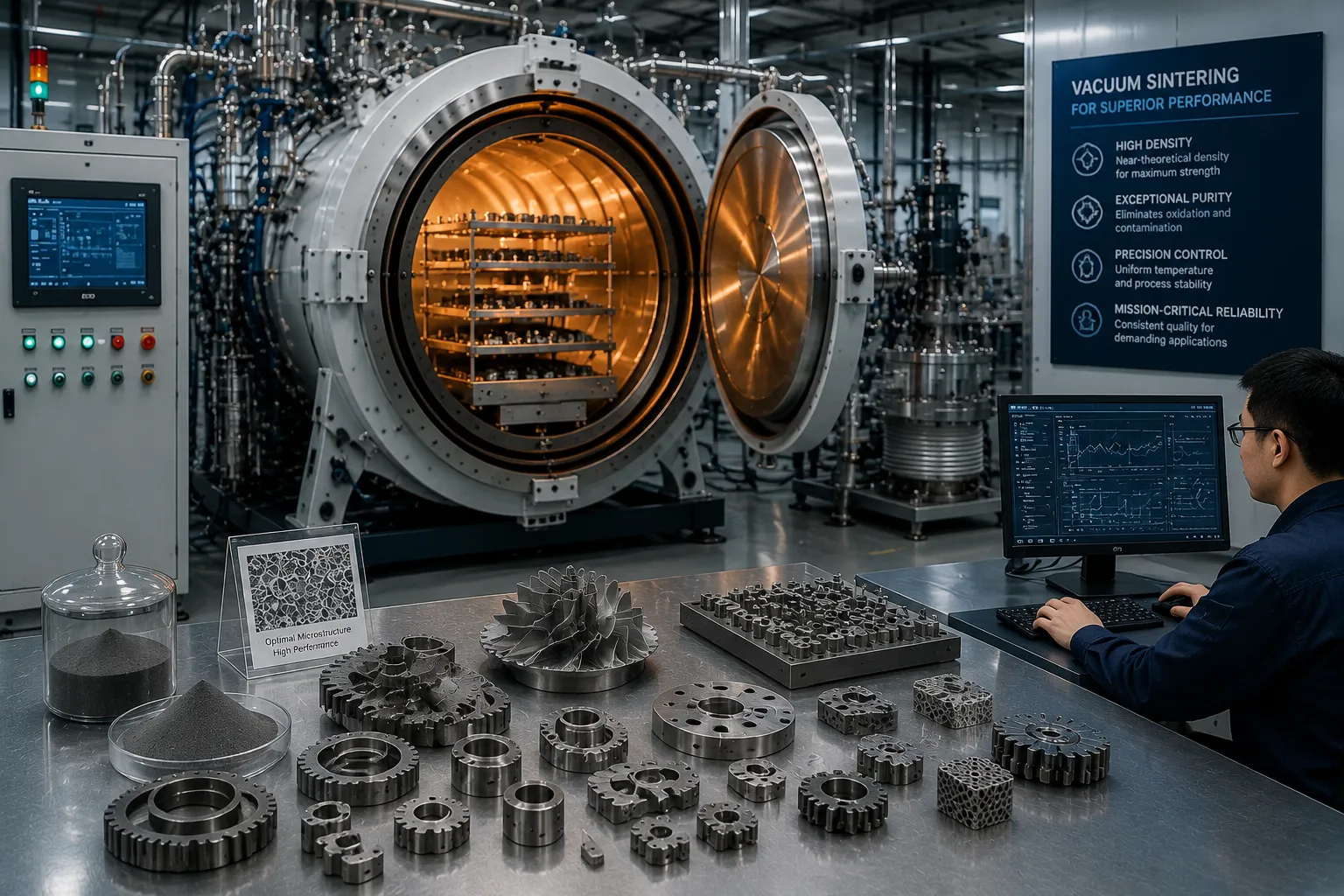
ISO 9001 & CE Certified Quality
All Haitem Furnace high-temperature vacuum sintering installations comply strictly with international pressure vessel safety and quality standards.