High-Performance Industrial Vacuum Furnaces
Engineered for demanding high-precision manufacturing, Haitem industrial vacuum furnaces deliver complete thermal processing solutions across vacuum sintering, heat treatment, brazing, and annealing with ultra-clean vacuum environments, advanced atmosphere control, and temperature capabilities up to 2400°C. Learn more about our manufacturing capabilities.
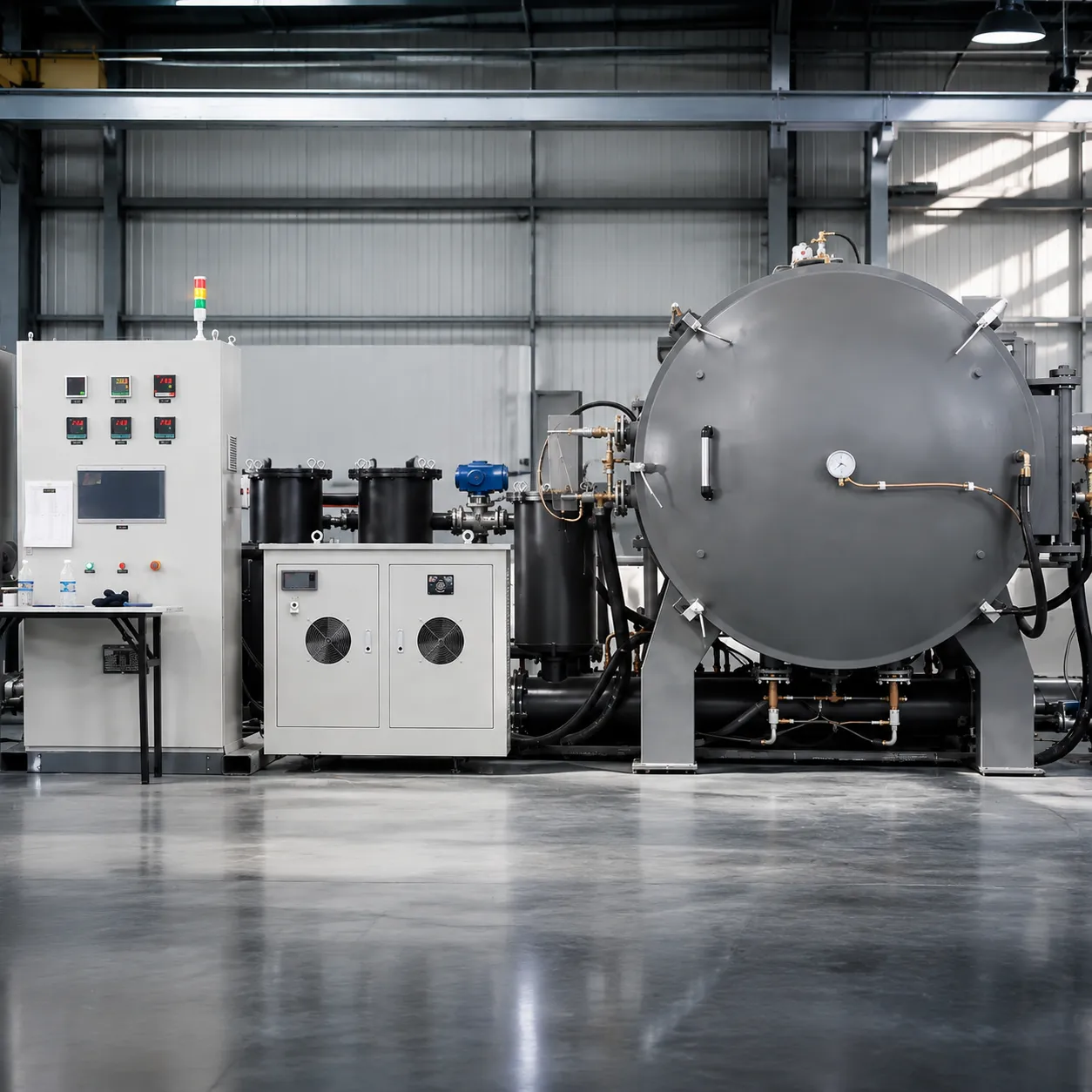
High Vacuum Series
Advanced Thermal Processing System
Vacuum Furnace Categories
Engineered for rigorous industrial standards, Haitem Furnace manufactures specialized thermal processing systems tailored for high-precision sintering, heat treatment, brazing, and annealing applications worldwide. Learn more about us and our global service network, or explore our full line of industrial thermal products.
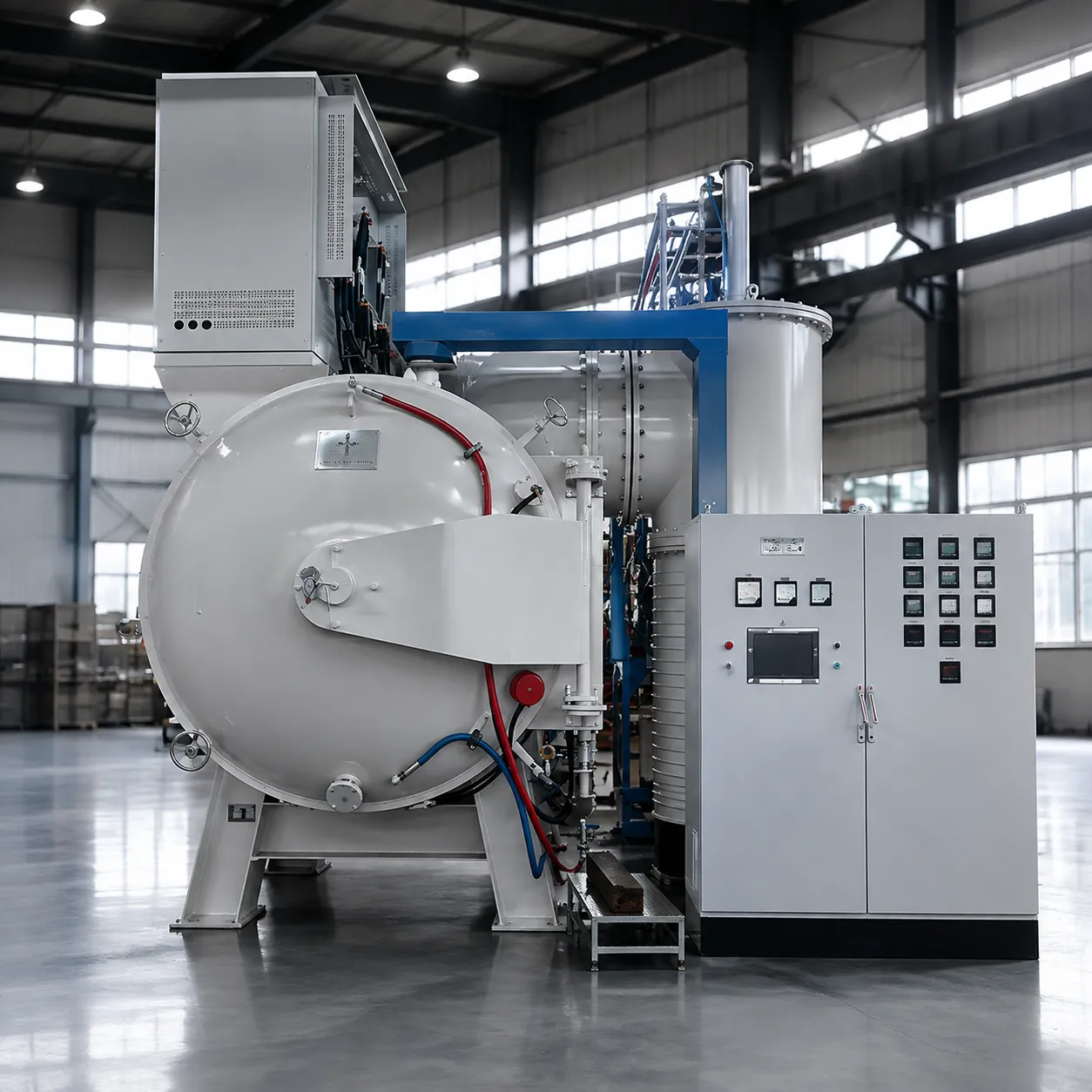
Vacuum Sintering Furnace
Engineered for high-density sintering of powder metals, MIM components, and advanced technical ceramics with zero surface oxidation.
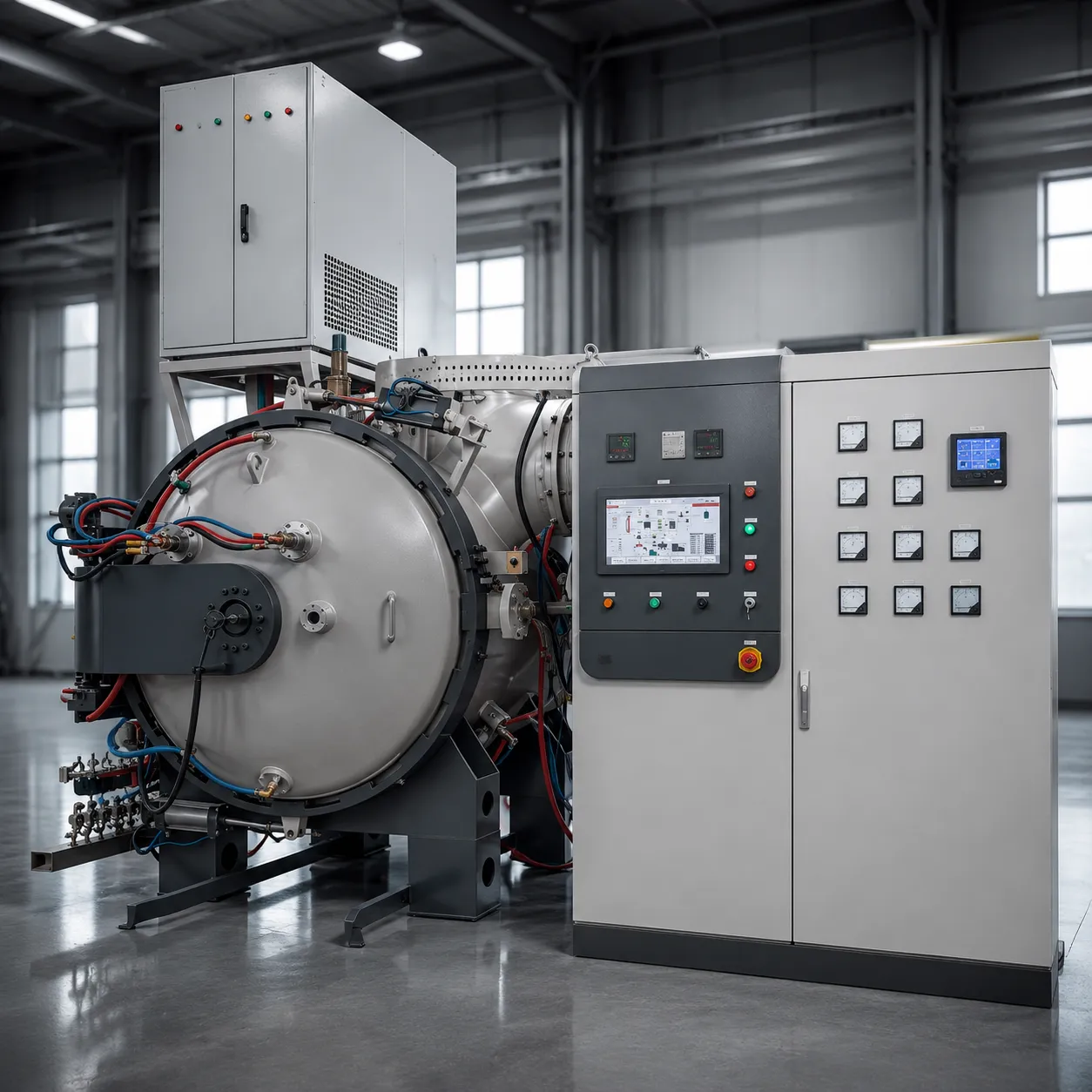
Vacuum Heat Treatment Furnace
Delivers bright, distortion-free gas quenching, tempering, and hardening with precise thermal uniformity across all work zones.
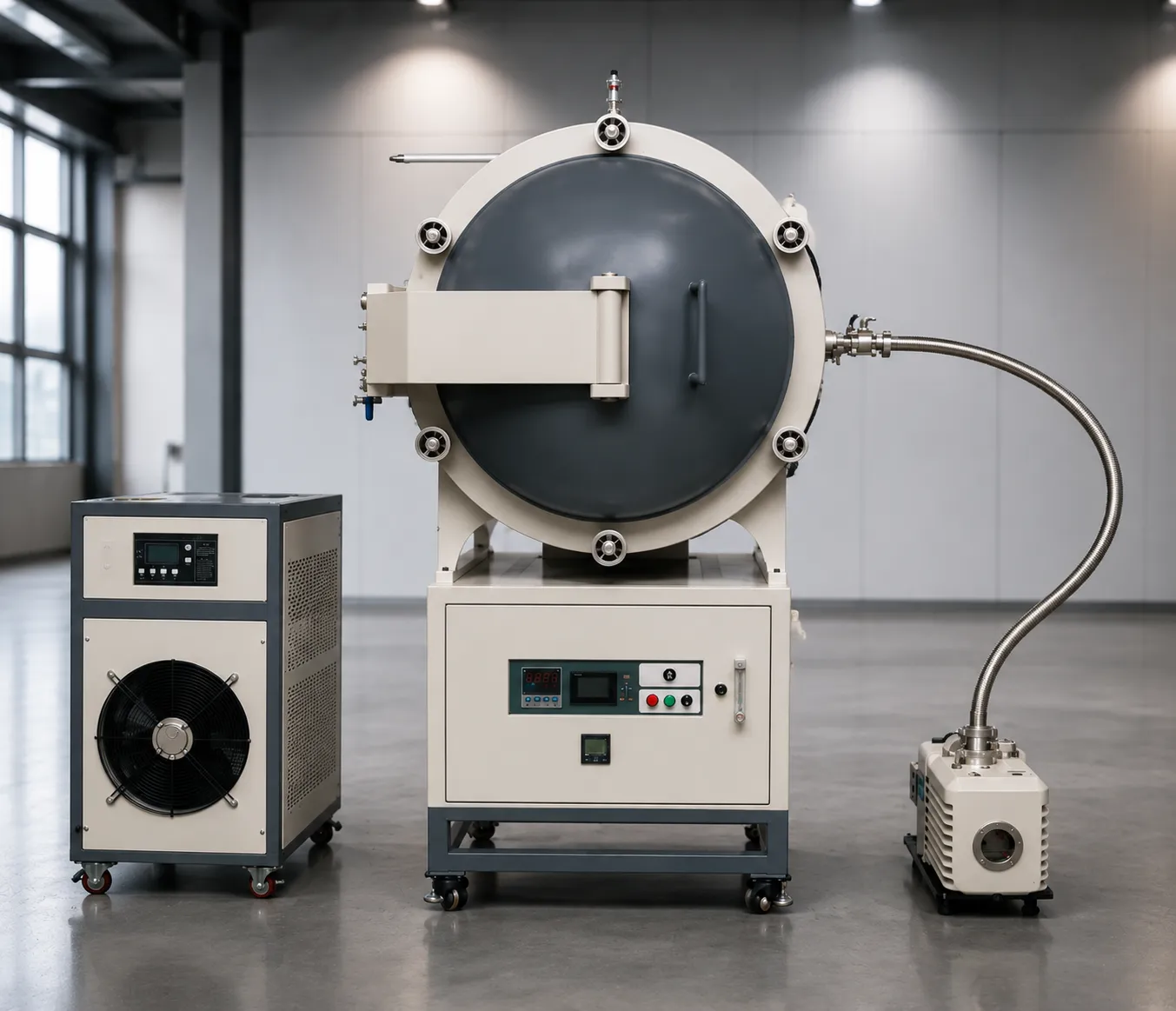
Vacuum Brazing Furnace
Provides clean, fluxless, and pore-free joining for complex assemblies, compact heat exchangers, and high-strength alloy parts.
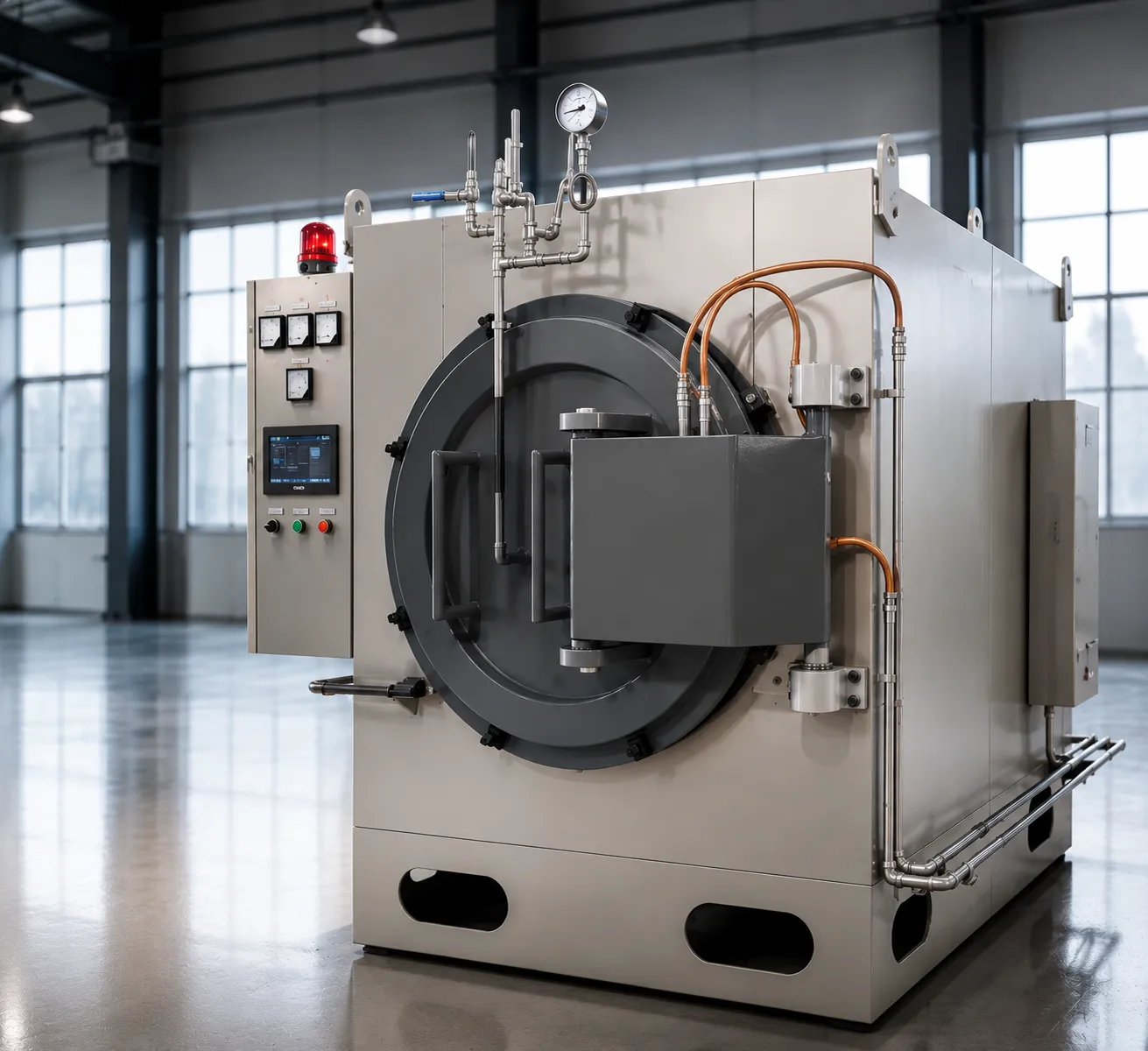
Vacuum Annealing Furnace
Eliminates residual internal stresses and optimizes metallic microstructures through automated, highly controlled vacuum thermal cycles.
Advanced Vacuum Thermal Processing and Engineering Capabilities
Delivering ultimate thermal precision, oxidation-free heat treatment, and customizable vacuum environments engineered for critical high-tech manufacturing.
High Vacuum Heating and Metallurgical Integrity
In critical industrial heat treatment, ambient atmospheric exposure causes immediate surface oxidation, intergranular decarburization, and structural defects in sensitive alloys. By establishing an ultra-clean processing chamber with ultimate pressures down to 10-5 Pa, high vacuum heating isolates workpieces from residual oxygen, water vapor, and airborne impurities. This pristine thermal environment delivers bright, scale-free surface finishes, eliminates costly post-process cleaning, and guarantees consistent grain structure across critical aerospace, defense, and medical components.
Precise Temperature Control and Thermal Uniformity
Achieving repeatable metallurgical phase transformations demands precise temperature control throughout every cubic inch of the heating zone. Haitem Furnace pairs multi-zone independent heating controls with specialized thermal insulation barriers. Depending on your maximum temperature and process chemistry, systems feature all-metal molybdenum/tungsten radiation shields or high-purity graphite insulation matrix designs. Engineered to meet strict AMS 2750F pyrometry standards, our furnace systems maintain exceptional spatial uniformity within tight tolerances up to 2400°C.
Controlled Atmosphere and Rapid Quenching Capabilities
Modern advanced manufacturing requires more than passive heating; high-performance vacuum thermal processing relies on targeted atmosphere management and rapid cooling profiles. Integrated gas dosing manifolds allow precise partial-pressure backfilling using inert argon or nitrogen gas to prevent element volatilization. For quenching requirements, forced high-pressure gas cooling systems utilize optimized nozzle arrays and high-capacity blowers to achieve rapid, uniform gas quenching that fixes mechanical properties while minimizing part distortion.
Core Automation and System Advantages
- Ultra-Low Pressure Pumping Stacks: Multi-stage configurations combining rotary vane, roots, and high-vacuum diffusion or turbomolecular pumps for rapid pump-down times.
- Directional Gas Cooling: 360-degree gas injection nozzles with adjustable pressure profiles up to 15 bar for controlled, repeatable quenching rates.
- Intelligent PLC Curve Programming: Touchscreen HMI featuring multi-segment recipe management, automated data logging, and complete lot traceability.
- Multi-Level Safety Interlocks: Hardware over-temperature protection, cooling water flow monitoring, and fail-safe power disruption protocols.
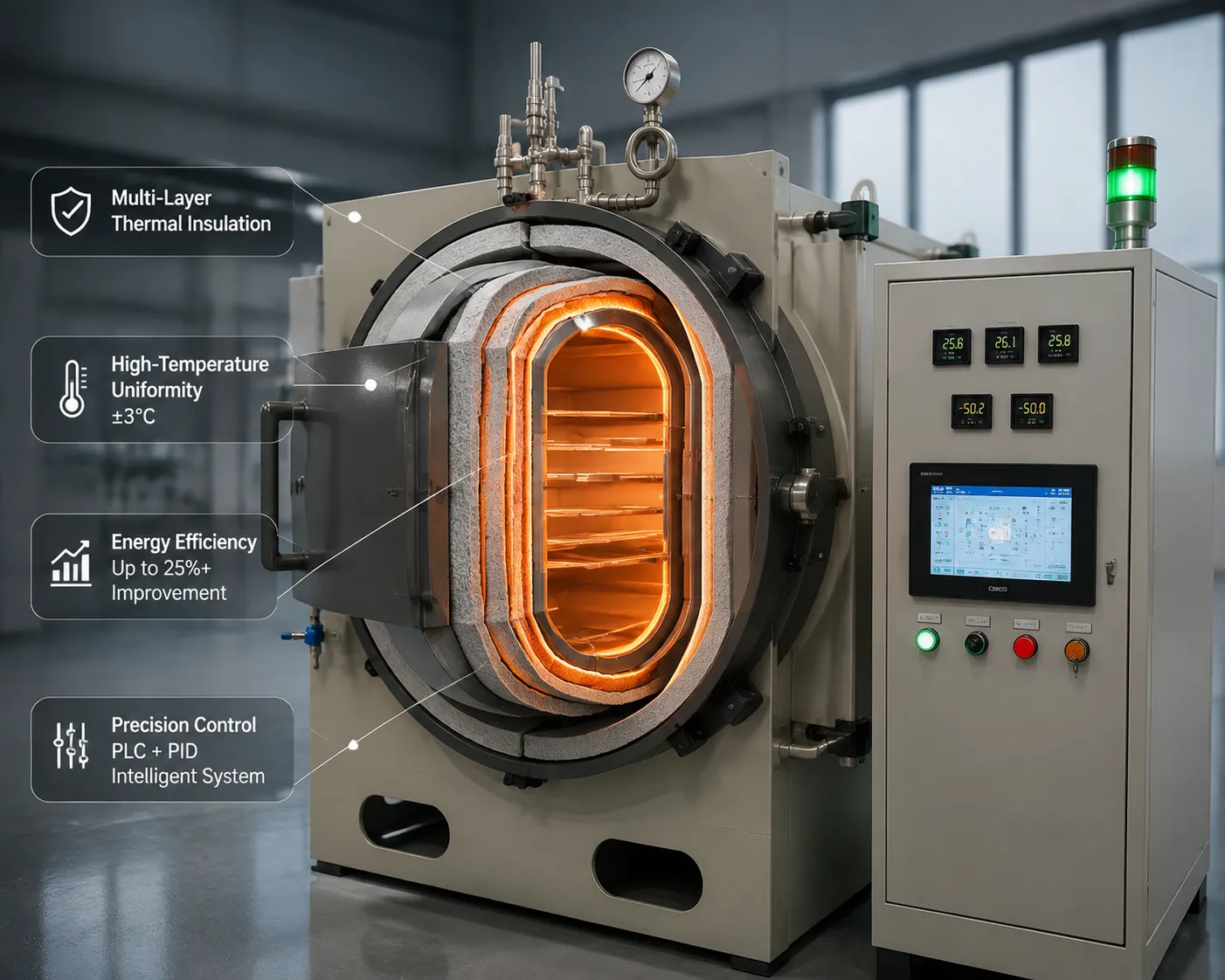
High Efficiency Thermal Shielding and Control Preview
Precision hot-zone construction and intuitive SCADA interface design offer full control over temperature ramps, soak times, and vacuum levels.
Deep Vacuum Control
Automated pumping sequences ensuring ultra-clean internal chamber pressures.
Rapid Gas Quenching
High-velocity inert gas recirculation systems for precise micro-structural control.
AMS 2750F Standard
Multi-zone heating elements providing exceptional spatial temperature uniformity.
Smart Data Traceability
Real-time batch recording, remote monitoring, and automated safety protocols.
Technical Specifications and Chamber Shield Options
Haitem Furnace equips every system with customized thermal chamber configurations matched to exact material requirements. Learn more about-us and our commitment to industry excellence.
| Engineering Parameter | All-Metal Shield Hot Zone (Molybdenum/Tungsten) | Graphite Shield Hot Zone (C/C Composite) |
|---|---|---|
| Maximum Operating Temperature | Up to 1600°C – 2400°C | Up to 2200°C |
| Ultimate Vacuum Level | Deep High Vacuum (10-5 Pa) | High Vacuum (10-3 Pa to 10-4 Pa) |
| Environmental Cleanliness | Ultra-clean atmosphere, zero carbon contamination | High durability for standard PM, MIM, and tool steel parts |
| Target Applications | Titanium, medical implants, high-purity aerospace alloys | Tool steel hardening, ceramic sintering, structural alloys |
| Pyrometry Compliance | Compliant with AMS 2750F Class 2/3 specifications | Compliant with AMS 2750F Class 2/3 specifications |
Quality Guarantee: Haitem Furnace masters core vacuum and control technologies supported by our advanced manufacturing-capabilities, ensuring that every piece of equipment leaving the factory possesses exceptional temperature control accuracy and operational stability.
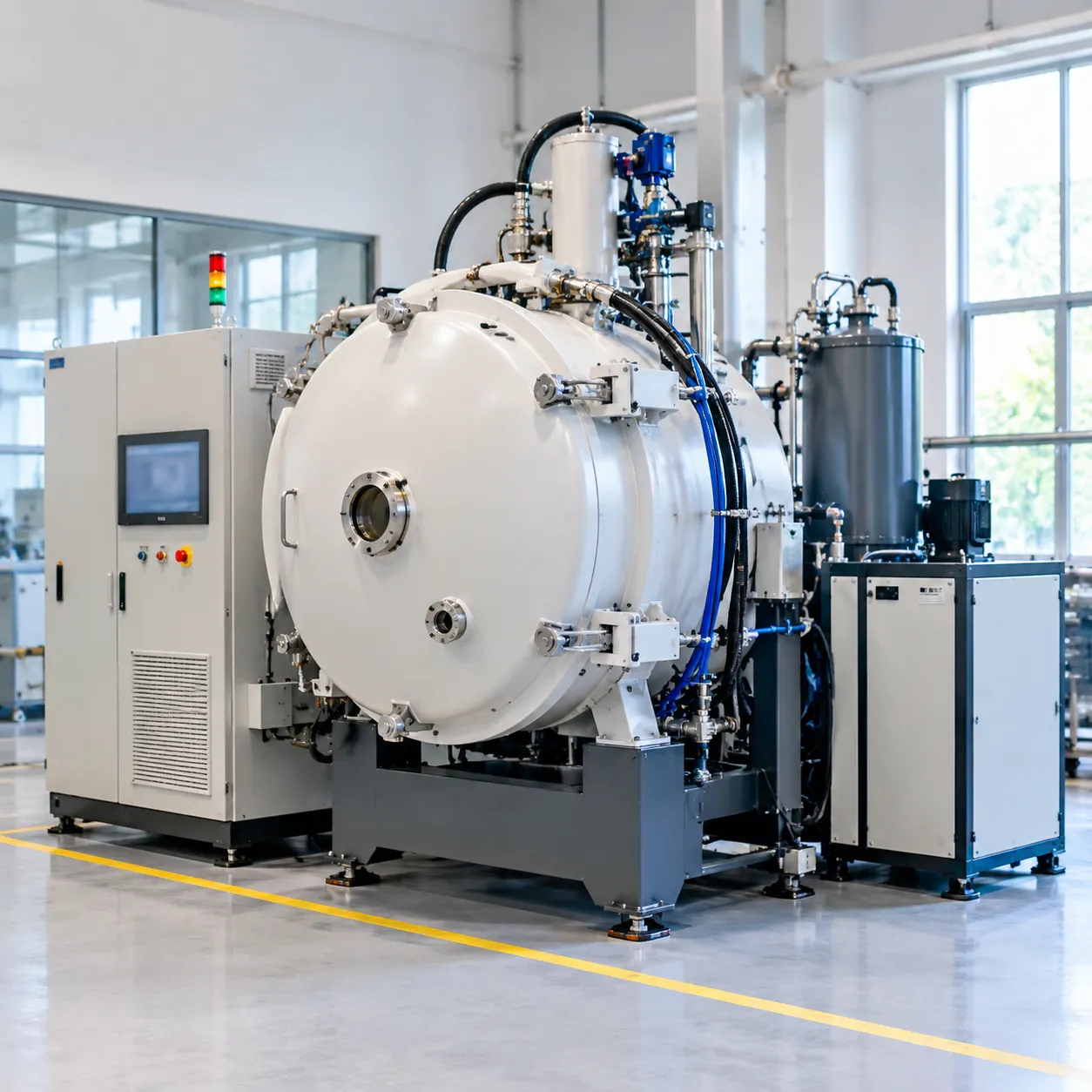
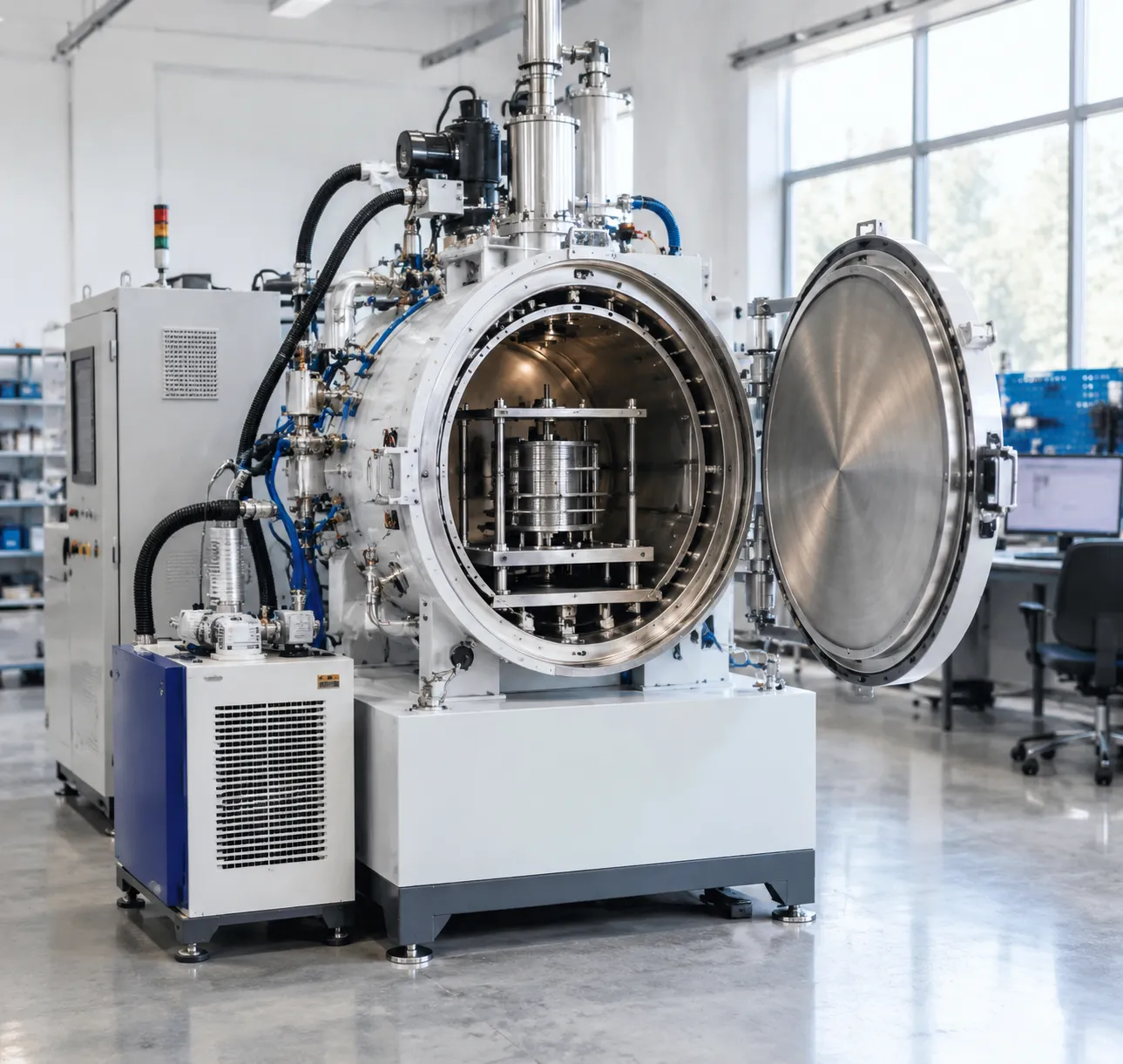
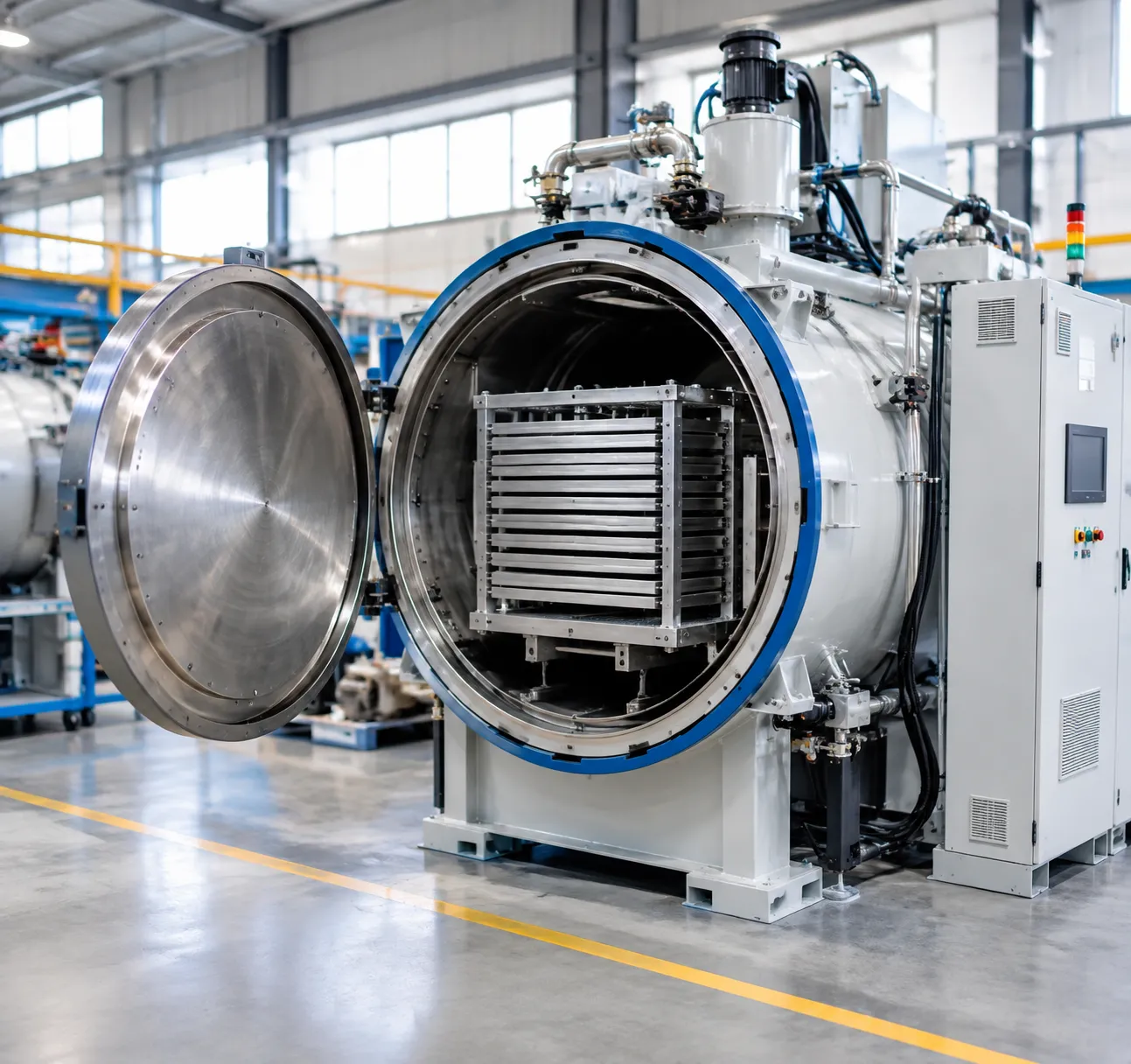
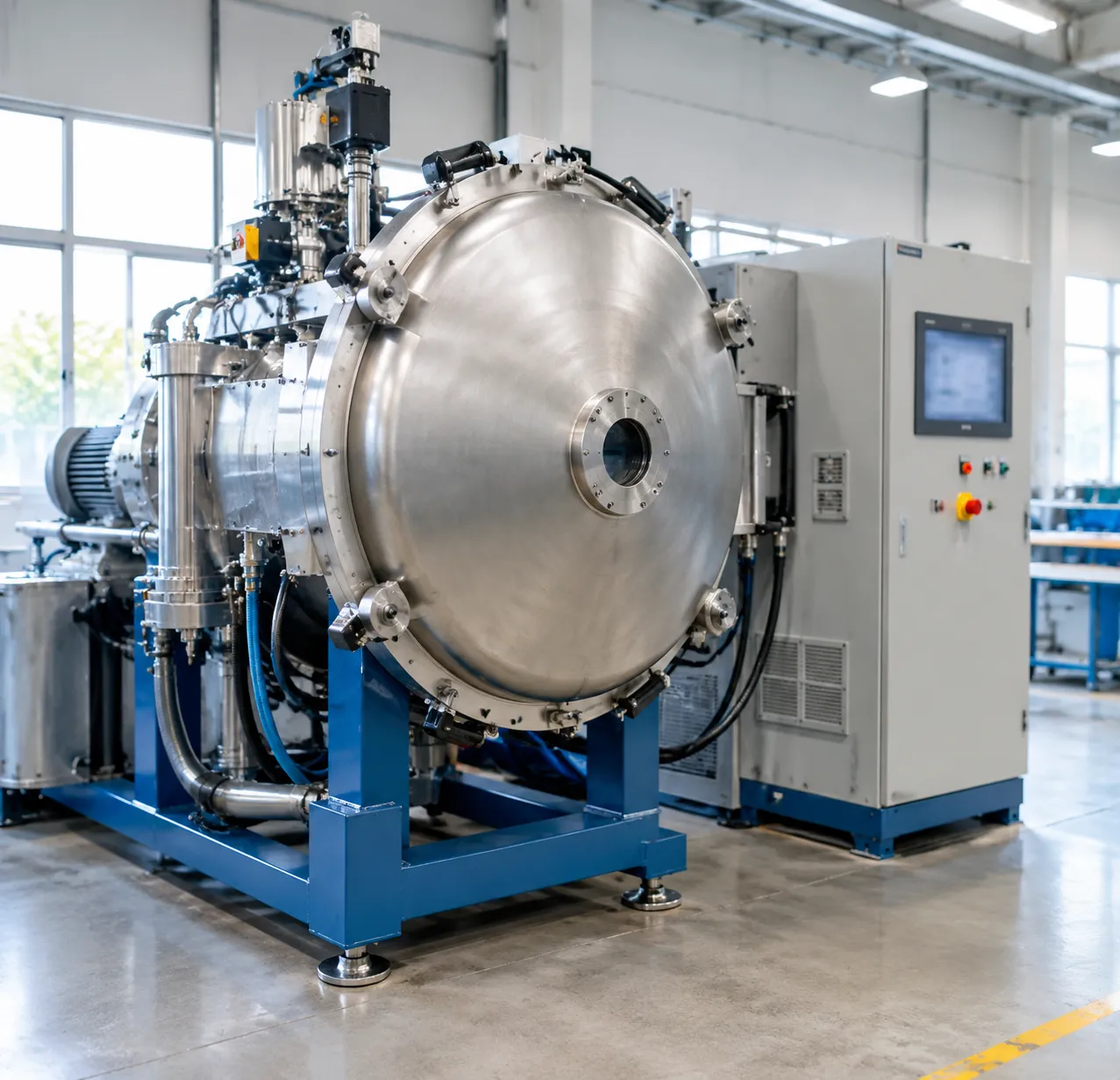
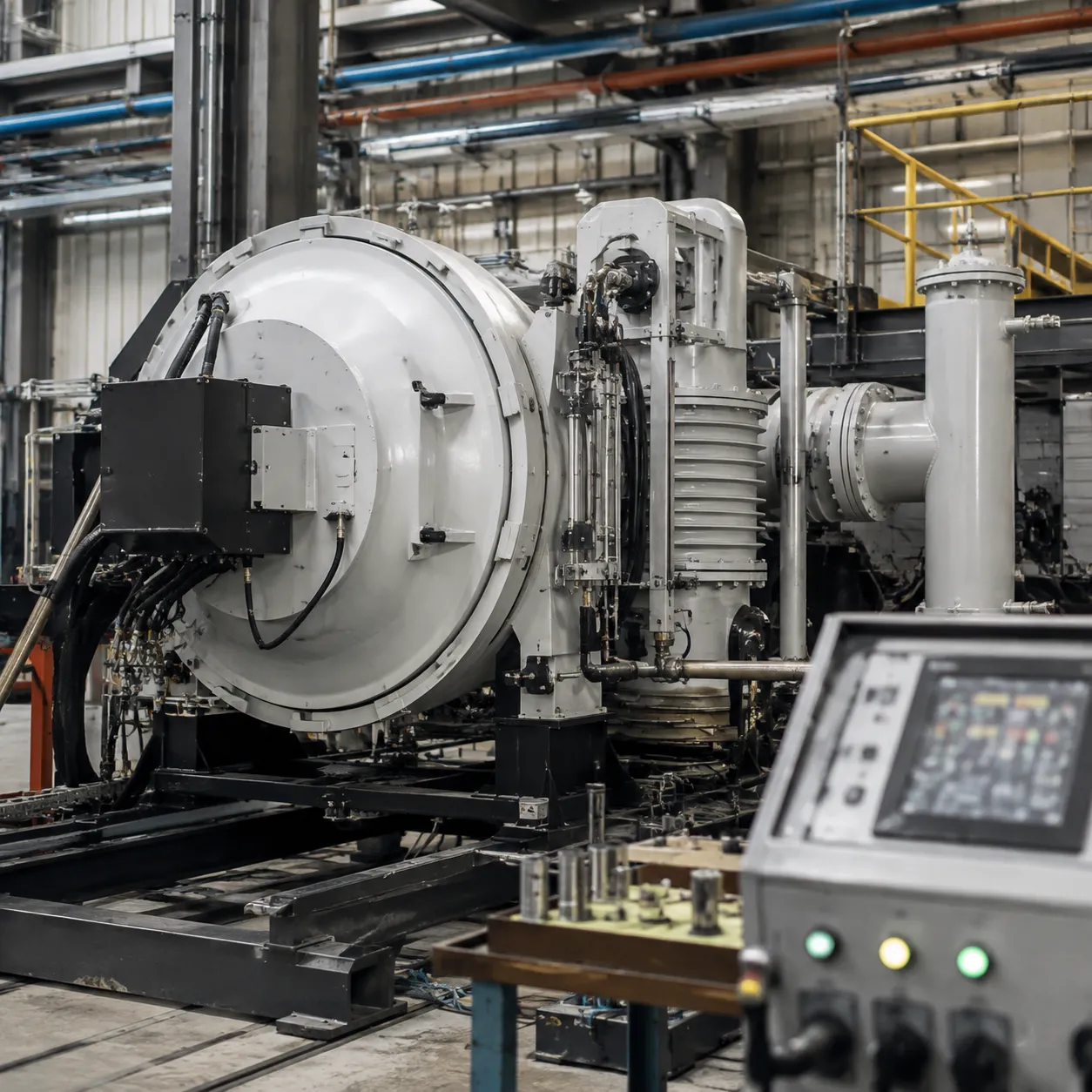
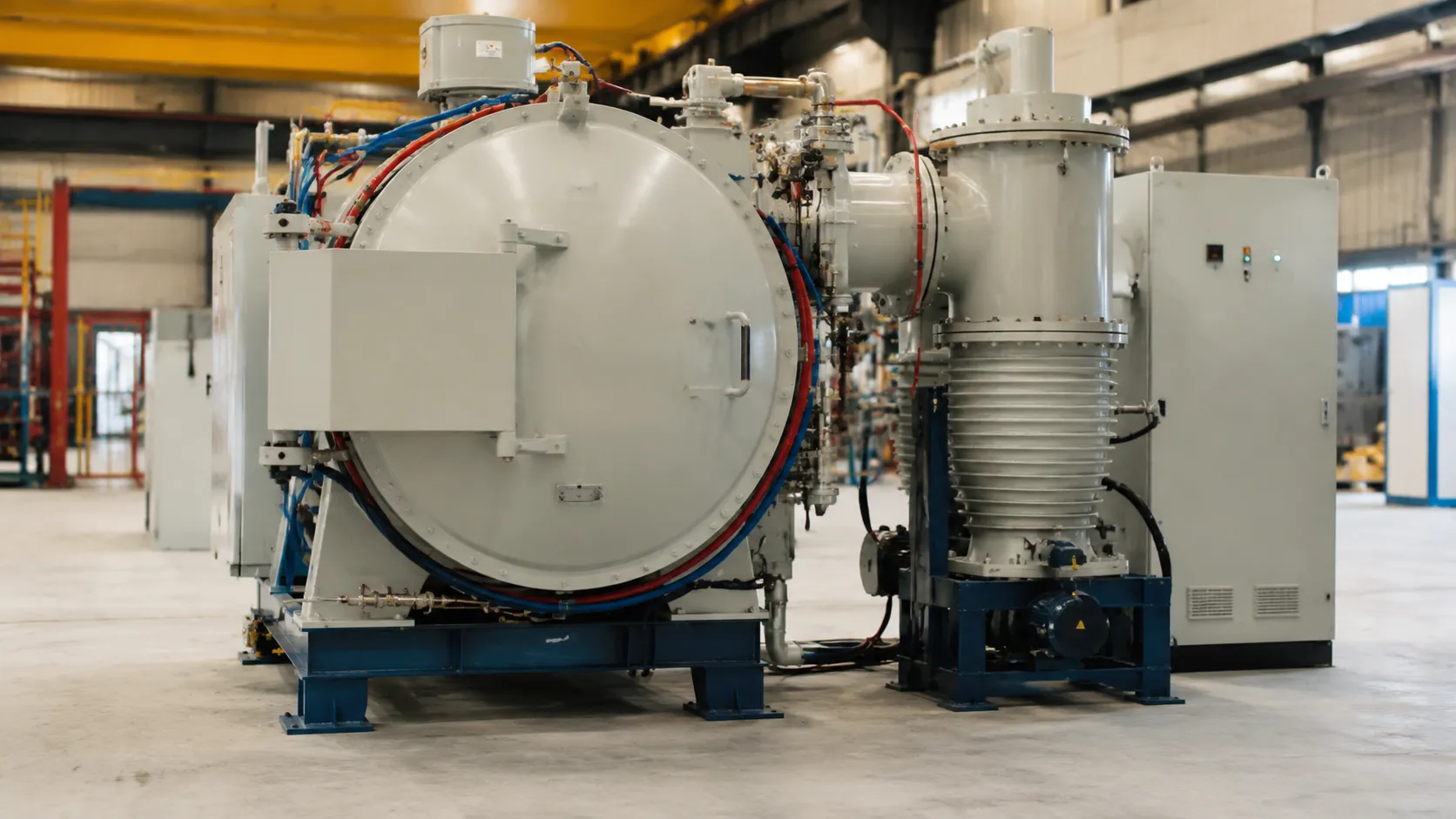
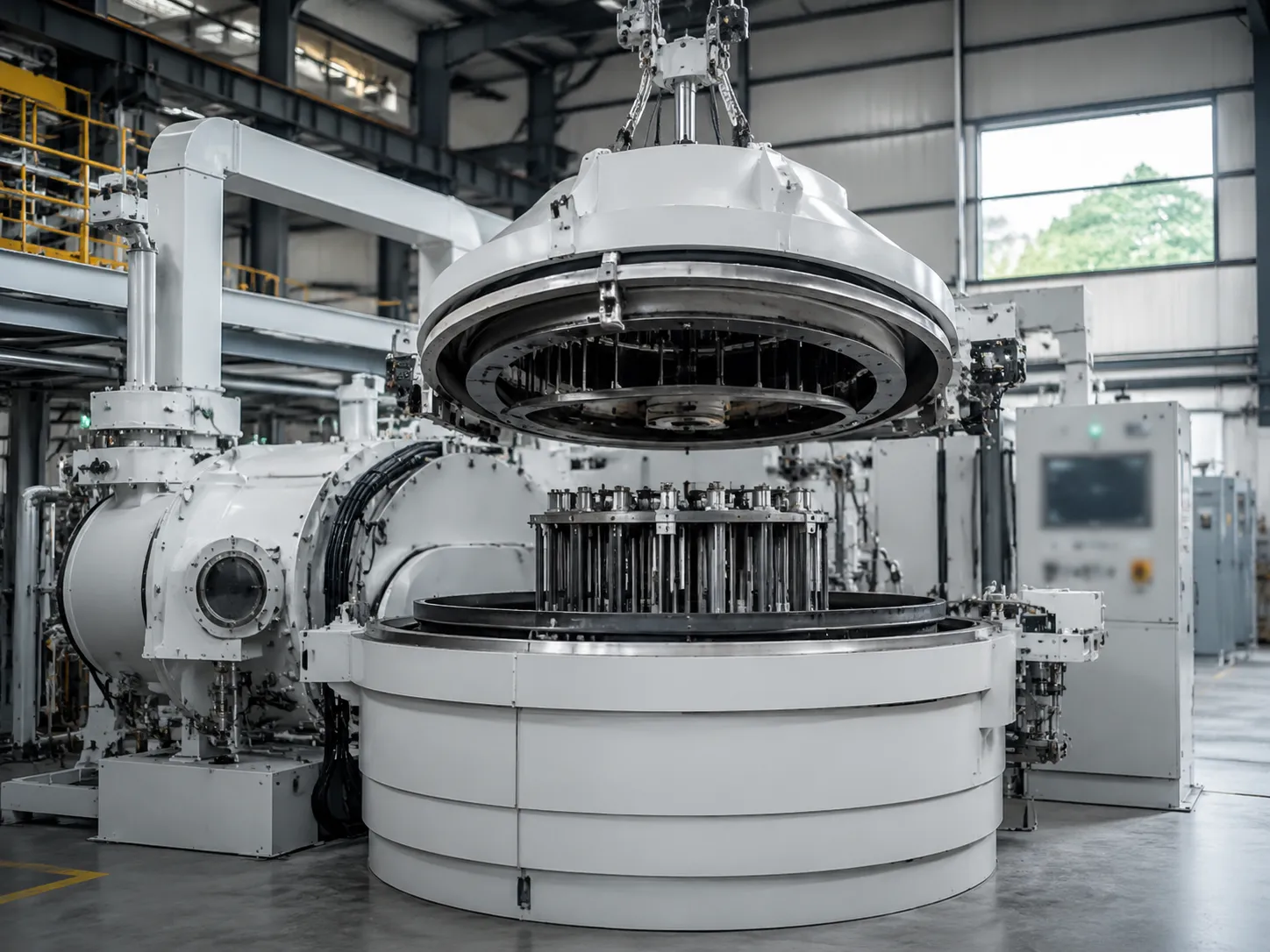
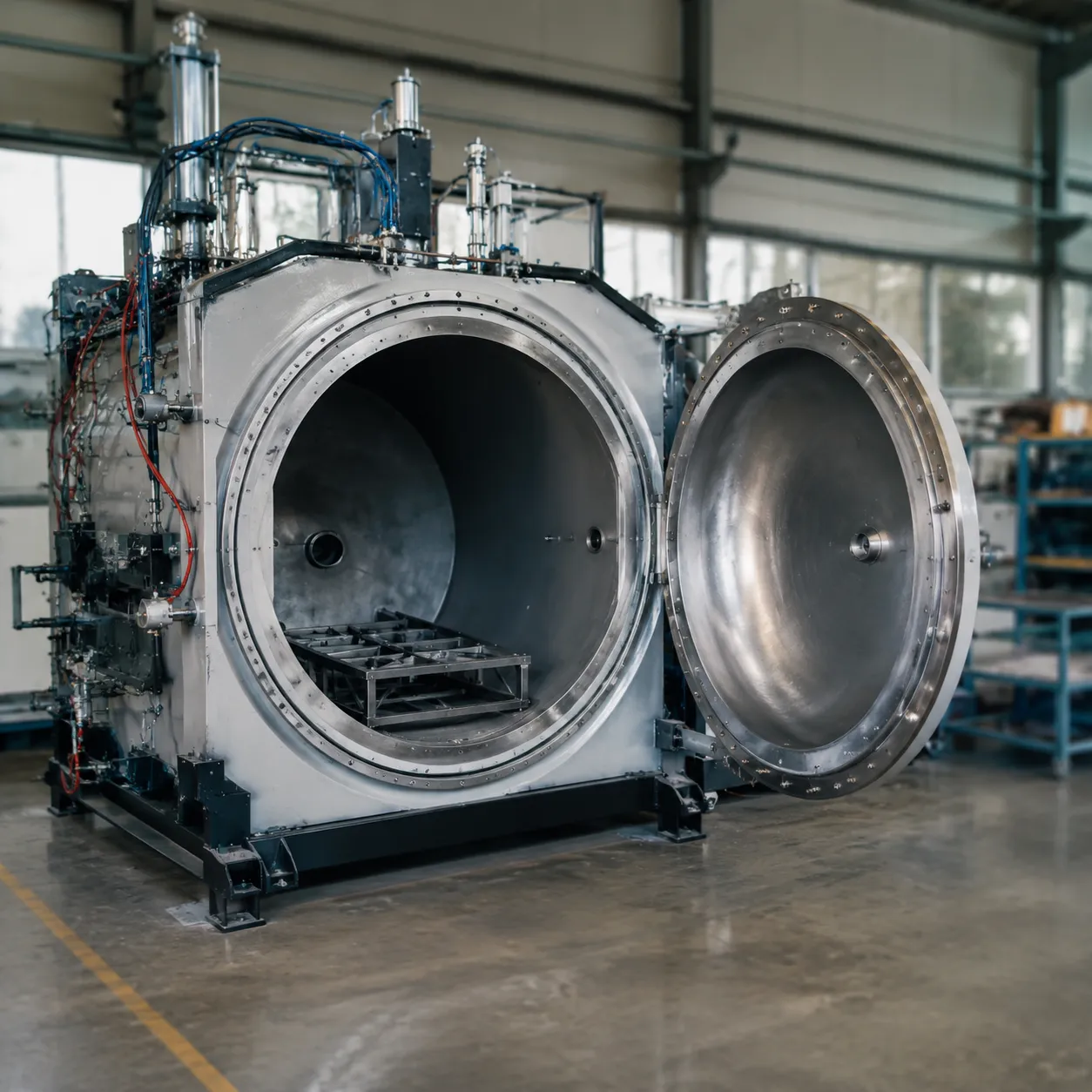
Precision Vacuum Processing Across Critical Industrial Sectors
From powder metallurgy and MIM sintering to advanced semiconductor thermal processing, Haitem delivers industrial vacuum furnace products engineered to meet stringent thermal control, purity, and repeatability requirements backed by our advanced manufacturing capabilities.
Powder Metallurgy & MIM
High-performance powder metallurgy vacuum furnace systems designed for debinding, sintering, and densifying cemented carbide tooling, metal injection molding (MIM) components, and high-density precision metal parts.
Semiconductors & Electronics
Cleanroom-compatible semiconductor thermal processing equipment tailored for high-purity wafer annealing, substrate degassing, and flux-free chip packaging vacuum brazing.
Advanced Ceramics
Ultra-high-temperature vacuum sintering systems engineered for non-oxide ceramics, including silicon carbide (SiC), silicon nitride (Si3N4), and specialty structural ceramic matrices.
Aerospace & Automotive
Reliable vacuum heat treatment and high-pressure gas quenching for high-strength alloys, flight-critical turbine components, and automotive powertrain parts requiring zero surface oxidation.
Medical Devices
Hydrocarbon-free vacuum heat treatment designed for titanium orthopedic implants, cobalt-chrome surgical instruments, and medical-grade stainless steel hardware.
Scientific Research & Special Materials
Versatile laboratory and pilot-scale vacuum furnace systems configurable for high-entropy alloys, new material synthesis, and extreme environmental testing.
Need a Customized Application or Process Test?
Haitem engineers collaborate with your team to conduct process adaptation trials and design custom vacuum furnace systems tailored to your exact production parameters.
Vacuum Furnace Selection and Customization Guide
Selecting the optimal vacuum thermal processing system requires a systematic evaluation of operating temperatures, vacuum levels, work zone dimensions, and cooling capabilities. As a leading global industrial furnace manufacturer, Haitem Furnace delivers tailored customization design solutions that align exact thermal profile requirements with demanding industrial throughput targets.
Step 1: Process Requirements Evaluation
Defining core thermal process parameters is the foundational stage of vacuum furnace selection. Industrial engineers must evaluate peak operating temperatures, ramp rates, and atmosphere control requirements to ensure uniform phase transformations, complete binder burn-off, or defect-free thermal joining without thermal stress.
- Temperature Ranges: Operating envelopes spanning from 600°C up to 2400°C to support low-temperature annealing, precision vacuum brazing, or high-temperature ceramic and powder metal processing using an advanced vacuum sintering furnace.
- Vacuum Levels: Configurable vacuum environments ranging from medium vacuum (10-1 Pa) for general stress relief to high vacuum (10-5 Pa) utilizing turbomolecular or diffusion pumping setups for oxygen-sensitive alloys.
- Quenching Systems: High-pressure gas quenching (up to 15 bar using nitrogen or argon) for fast martensitic transformation or specialized vacuum oil quenching for heavy-section tool steel hardening.
Step 2: Chamber Size and Load Capacity
Dimensional hot zone sizing must balance component geometry, fixture arrangements, and target production volume. Haitem Furnace engineers heating chambers that maintain tight temperature uniformity throughout the entire effective workload volume.
- Effective Hot Zone Sizing: Custom internal dimensions engineered to satisfy AMS 2750F Class 2 thermal uniformity standards within ±5°C across the working volume.
- Loading Configurations: Horizontal front-loading architectures for versatile batch processing or vertical bottom-loading designs for heavy, long, or thin cylindrical components prone to distortion.
- Hearth Load Capacity: Heavy-duty hearth structures and support piers designed to accommodate dense metal payloads without sagging or mechanical failure at peak operating temperatures.
Step 3: Heating Elements and Insulation
Thermal insulation and heating element selection directly influences energy efficiency, cycle speed, and atmosphere purity. Choosing between graphite hot zones and all-metal refractory radiation shields depends on workpiece metallurgy and cleanroom standards.
- Graphite Hot Zones: Rigid graphite felt insulation paired with high-purity carbon composite elements delivers exceptional thermal efficiency, rapid heating rates, and low operational costs.
- All-Metal Refractory Shields: Multi-layer molybdenum and tungsten reflective shield packs eliminate carbon outgassing, making them essential for ultra-clean aerospace, semiconductor, and titanium medical implant processing.
Step 4: Automation Control and Safety Systems
Modern high vacuum thermal processing requires advanced digital automation, continuous process data logging, and redundant safety mechanisms to ensure repeatable quality and reliable continuous operation.
- Programmable Automation: Industrial PLC systems with touchscreen SCADA interfaces enable multi-segment thermal profile programming, automated valve sequencing, and recipe management.
- Data Traceability & Audit Trails: Real-time automated logging of chamber pressure, thermal ramp curves, gas flow rates, and cooling profiles to support NADCAP and ISO quality compliance.
- Multi-Level Safety Interlocks: Redundant over-temperature protection, cooling water flow and temperature monitoring, vacuum interlocks, and automated fail-safe power isolation during power outages.
Hot Zone Material Selection Matrix
Evaluating thermal and structural characteristics helps engineering teams select the optimal hot zone configuration for their specific materials, vacuum thresholds, and long-term operating economics.
| Evaluation Criterion | Graphite Heating Chamber | All-Metal Molybdenum Chamber |
|---|---|---|
| Maximum Operating Temp | Up to 2200°C | Up to 1600°C (Moly) / 2000°C (Tungsten) |
| Atmosphere & Cleanliness | Minor carbon vapor potential; robust and durable | Ultra-clean, zero carbon contamination atmosphere |
| Target Vacuum Range | Medium to high vacuum (10-3 Pa) | High to ultra-high vacuum (10-5 Pa) |
| Thermal Shock & Durability | Superior thermal shock resistance and minimal warping | High thermal reflectivity; requires controlled cooling rates |
| Primary Industrial Applications | Powder metallurgy, MIM sintering, tool steel heat treatment | Titanium aerospace alloys, semiconductor wafers, medical implants |
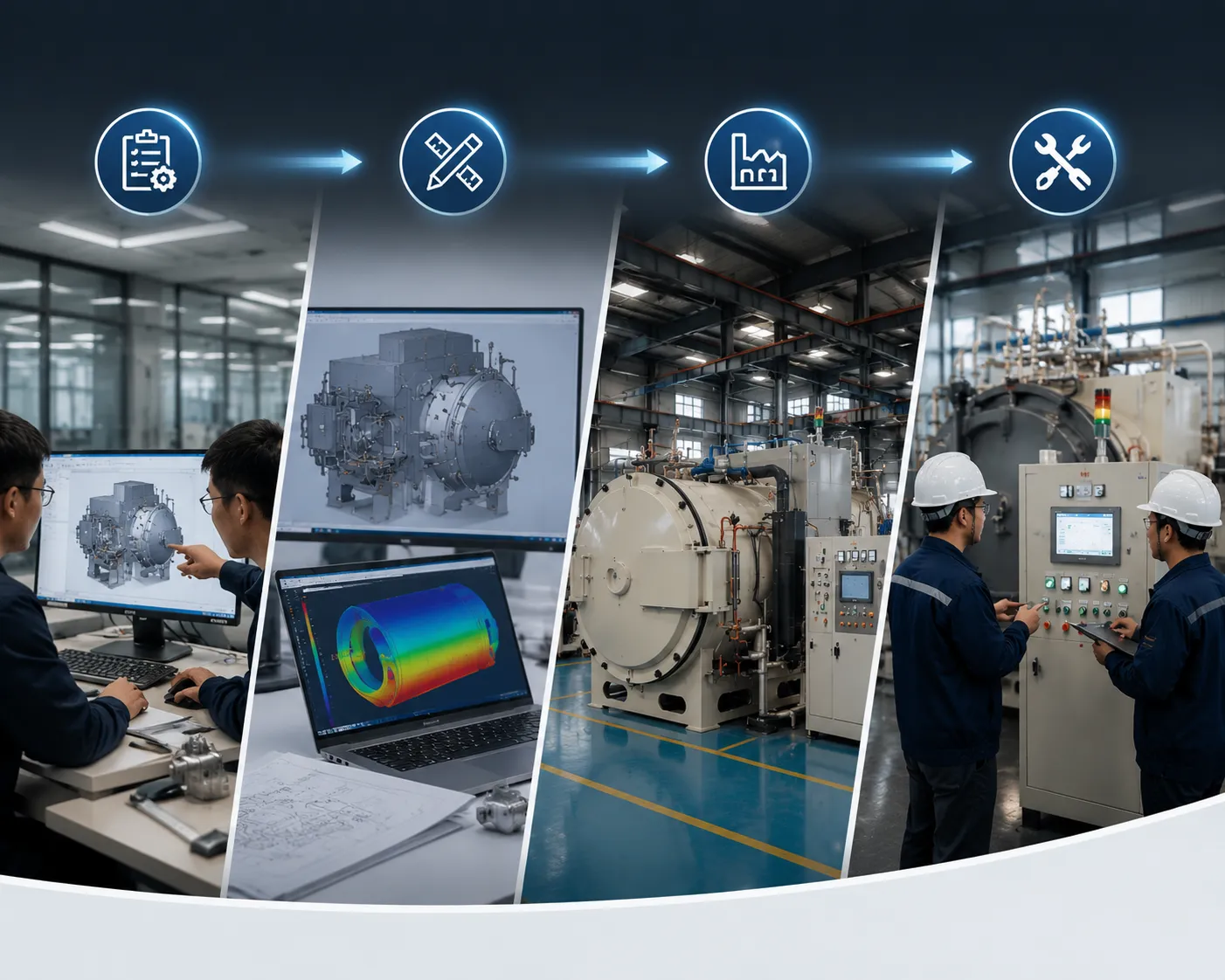
Haitem Furnace Customization Engineering Workflow
From preliminary process testing to final facility commissioning, Haitem Furnace thermal engineers leverage advanced manufacturing capabilities to follow a structured four-stage collaborative framework for turnkey, application-specific furnace systems.
Process Validation & Lab Testing
Metallurgical testing and thermal cycle validation on customer sample parts in our applications lab.
Tailored CAD & Structural Design
3D mechanical and electrical engineering including custom hot zone layout, vacuum pumping, and gas handling systems.
Precision Manufacturing & Quality Testing
Helium mass spectrometer leak detection, high-temperature soak testing, and AMS 2750F thermal uniformity audits.
On-Site Commissioning & Support
Full turnkey installation, site acceptance testing (SAT), operator training, and lifetime global technical support.
Need a Customized Vacuum Furnace Solution?
Haitem Furnace engineers analyze your material requirements, temperature profile, vacuum level, atmosphere conditions, and production goals to develop a customized thermal processing solution.
Frequently Asked Questions About Industrial Vacuum Furnaces
Selecting the correct high-temperature vacuum equipment requires evaluating thermal ramp rates, chamber sizing, outgassing dynamics, atmosphere purity, and cooling capabilities. As an experienced industrial furnace manufacturer, Haitem Furnace addresses core technical considerations to clarify your equipment configuration, budget planning, and procurement process.
Technical Guidance from a Dedicated Vacuum Furnace Supplier
At Haitem Furnace, we recognize that investing in high-vacuum thermal processing machinery represents a core capital expenditure. Backed by state-of-the-art manufacturing capabilities, whether your process requires a high-volume vacuum annealing furnace, a precision vacuum brazing furnace, or a specialized multi-zone system for reactive metal processing, understanding hot zone insulation, pumping speed, and atmosphere control ensures predictable metallurgy and long-term production reliability.
- AMS 2750F & CQI-9 Temperature Compliance
- Custom Hot Zone Engineering
- Turnkey Global Installation & FAT Testing
- Direct Engineering Consultation
What is the main difference between a vacuum sintering furnace and a vacuum heat treatment furnace?
While both systems utilize sub-atmospheric pressures to prevent thermal oxidation and surface decarburization, their underlying thermal cycles, pumping configurations, and process goals differ significantly:
- Vacuum Sintering Furnaces: Engineered for powder metallurgy (PM), metal injection molding (MIM), and advanced ceramics. They emphasize debinding (binder burnout), controlled partial-pressure gas management (argon, nitrogen, or hydrogen), and high-temperature hold zones (up to 2400°C) to achieve complete structural densification.
- Vacuum Heat Treatment Furnaces: Designed for alloy hardening, bright quenching, stress relieving, and tempering. They prioritize rapid heating uniformity and high-pressure gas quenching (up to 15 bar) to achieve target martensitic transformation and grain structure without surface contamination.
Haitem Furnace configures specialized pumping stacks—including diffusion and turbomolecular pumps—and heating elements specifically tailored to your precise metallurgical objectives.
How do I choose between a graphite heating chamber and an all-metal insulation shield chamber?
Selecting between graphite heating elements and an all-metal (molybdenum/tungsten) thermal insulation shield depends on material carbon sensitivity, operating temperatures, and target vacuum levels:
| Parameter | Graphite Heating Chamber | All-Metal Molybdenum Shield |
|---|---|---|
| Maximum Temperature | Up to 2200°C under heavy thermal loads | Up to 1600°C–1800°C maximum threshold |
| Process Atmosphere Purity | Minor carbon interaction potential at high vacuum | Zero carbon outgassing; ultra-clean environment |
| Primary Applications | Tool steels, carbide tooling, structural MIM components | Titanium implants, aerospace superalloys, semiconductors |
Our engineering team evaluates your specific alloy compositions and process chemistry to recommend either a cost-effective graphite or an ultra-clean molybdenum insulation system.
Does Haitem offer custom vacuum furnace design and specialized gas flow options?
Yes. As a custom industrial furnace manufacturer, Haitem Furnace provides complete custom vacuum furnace design capabilities. We modify chamber dimensions, door loading orientations (horizontal or vertical bottom-loading), and multi-zone heating configurations to integrate seamlessly into your facility.
We also offer automated gas distribution manifolds featuring mass flow controllers (MFC) for controlled partial-pressure sintering, reactive gas flushing (argon, nitrogen, hydrogen, helium), and high-pressure gas quenching. All flow parameters are governed through an intuitive PLC interface with full recipe logging.
What is included in Haitem’s equipment installation, commissioning, and technical support protocol?
Every vacuum furnace system built by Haitem Furnace undergoes comprehensive Factory Acceptance Testing (FAT) prior to dispatch. Supported by our global service network, field technical operations include:
- On-Site Technical Supervision: Senior mechanical and electrical engineers manage equipment positioning, utility connections, and vacuum tightness testing.
- Thermal Calibration Surveys: Multi-point Temperature Uniformity Surveys (TUS) and System Accuracy Tests (SAT) verifying compliance with AMS 2750F standards.
- Operational Training: In-depth training for plant personnel covering PLC programming, routine vacuum pump maintenance, hot zone care, and safety interlock protocols.
What key factors determine the industrial vacuum furnace price?
An industrial vacuum furnace price is determined by several core engineering parameters:
- Effective Work Zone Dimensions: Hot zone usable volume, multi-zone heating requirements, and maximum hearth weight rating.
- Vacuum Pumping System: Mechanical backing pump combinations versus high-vacuum diffusion, turbomolecular, or cryogenic pump systems (10⁻³ Pa to 10⁻⁵ Pa).
- Hot Zone Metallurgy: Rigid graphite insulation versus high-purity molybdenum or tungsten metallic radiation shields.
- Cooling & Quenching Pressure: Forced gas quenching ratings (from 2 bar up to 15 bar high-pressure gas heat exchanger loops).
Submit your project specifications through our consultation form to schedule a detailed vacuum thermal process consultation and receive a formal commercial quote.
Discuss Your Vacuum Furnace Requirements
Share your material specifications, temperature requirements, vacuum level, and production targets. Haitem Furnace engineers will recommend the optimal thermal processing configuration.
- Custom furnace configuration analysis
- Vacuum, atmosphere & thermal profile evaluation
- Factory-direct engineering support
Explore Vacuum Furnace Series