Formula details
Product Details
Overview
What Is a High Temperature Roller Kiln?
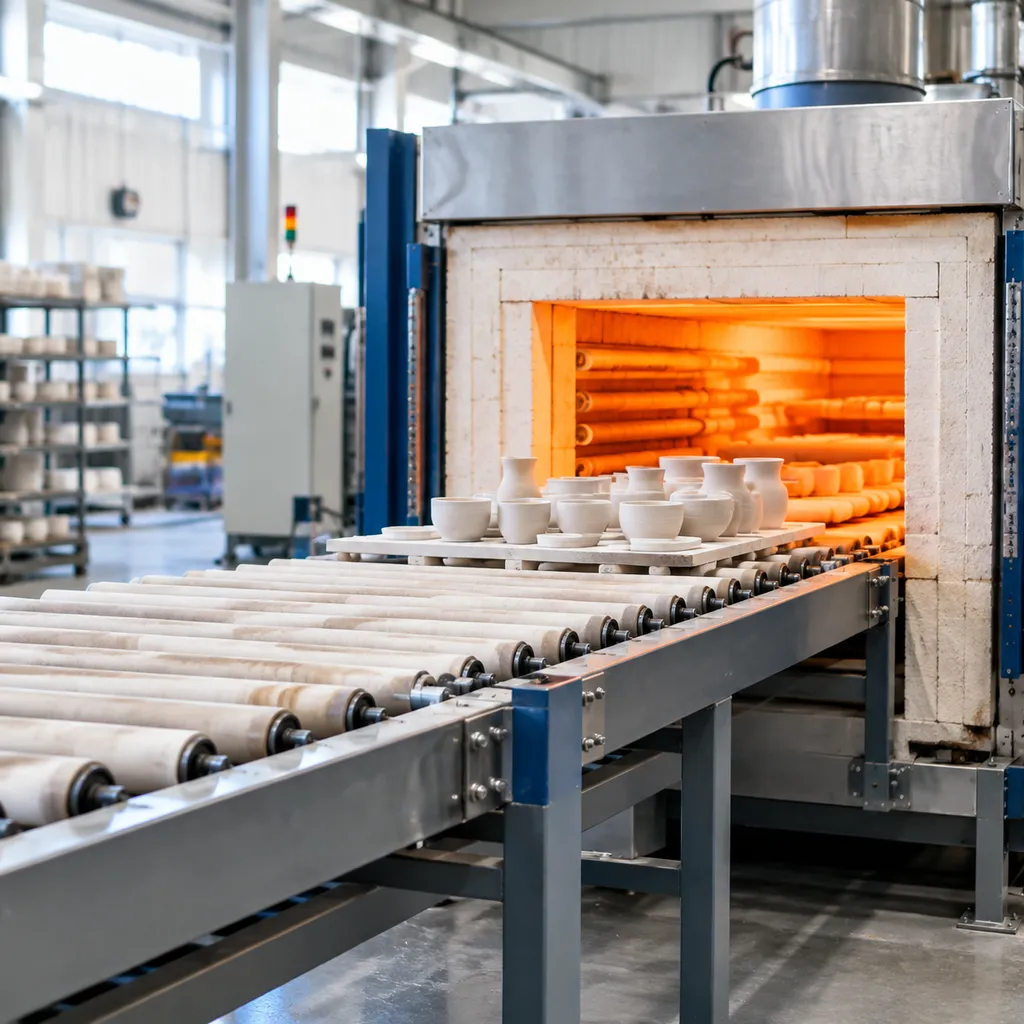
A high temperature roller kiln is a continuous thermal processing furnace designed for fast, uniform firing. Instead of relying on stationary batches, this equipment conveys workpieces directly through the furnace chamber atop a bed of driven, rotating ceramic or alloy rods.
[ Infeed ] → [ Preheating Zone ] → [ Firing Zone ] → [ Cooling Zone ] → [ Discharge ]
↑ ↑ ↑
Driven Ceramic Rollers Continuously Convey Product Bed
Core Working Mechanism
-
- Continuous Roller Drive: Synchronized external drive mechanisms rotate rows of refractory rollers, carrying ware smoothly without vibration.
- Direct Thermal Exposure: Products sit directly on the rollers or inside low-profile saggers, receiving balanced radiant and convective heat from both above and below the roller bed.
- Zoned Atmosphere Management: Multi-zone temperature regulation maintains strict thermal curves across every phase of the firing cycle.
Replacing Traditional Kiln Cars
In traditional tunnel kilns, heavy refractory cars soak up massive amounts of heat. That deadweight wastes energy, demands floor space for track returns, and creates maintenance headaches.
Continuous roller transport completely changes this dynamic:
-
- Zero Kiln Car Thermal Mass: We eliminate heavy structural car furniture, slashing fuel and electrical consumption per ton of fired product.
- Rapid Firing Cycles: Direct heat transfer across thin cross-sections cuts firing times from days down to hours or minutes.
- Streamlined Floor Layout: No return tracks, car transfer cars, or hydraulic pushers cluttering the production floor.
- Zero Car Jam Risks: Eliminating heavy car trains significantly reduces mechanical downtime.
Operating Limits: Standard vs. Ultra-High Temperature
Operating thresholds dictate everything from roller chemistry to refractory wall composition. We classify continuous roller hearth kilns into distinct thermal tiers based on engineering limits:
-
- Standard Roller Kilns (Up to 1250°C): Primarily used for traditional ceramics, glazed tiles, and basic heat treatment, operating mainly with standard high-alumina rollers.
- High Temperature Roller Kilns (1250°C – 1400°C): Engineered for technical ceramics, structural electronic parts, and advanced calcination. Demands high-strength mullite-corundum or recrystallized ceramic rollers.
- Ultra-High Temperature Roller Kilns (1400°C – 1700°C): Built for high-purity zirconia, special electro-ceramics, and demanding advanced materials. These systems mandate specialized silicon carbide (SiC/RSiC) rollers, high-grade MoSi2 heating elements, and rigid thermal expansion controls to prevent roller sag at extreme loads.
Key Components of a High Temperature Roller Kiln
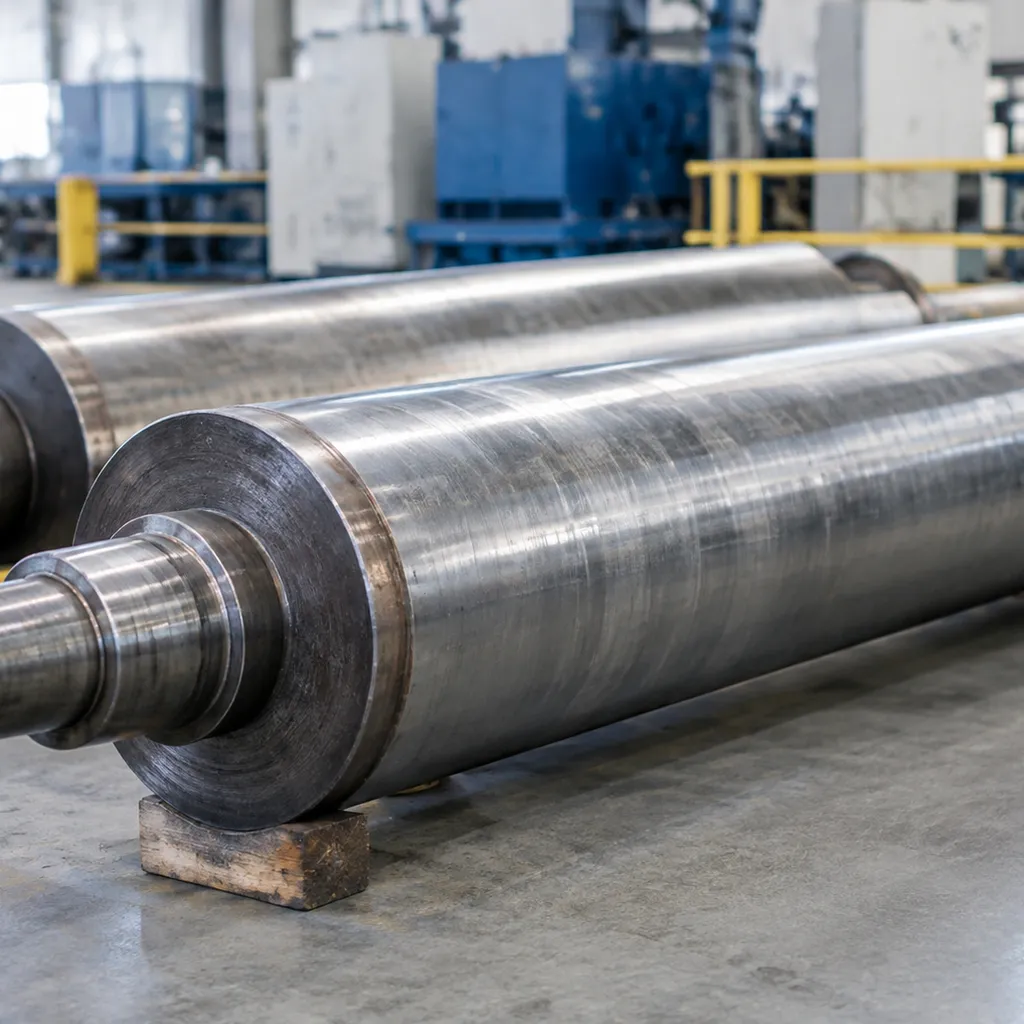
To keep a high temperature roller kiln running continuously without unscheduled downtime, every mechanical and thermal sub-system must work in total sync. As an experienced roller kiln manufacturer and supplier for ceramic production, we engineer our systems around five core hardware modules built to handle extreme thermal loads:
1. Synchronized Ceramic Roller Drive System
The roller transmission forms the backbone of continuous product conveyance:
Drive Mechanism: Heavy-duty bevel gears or precision chain drives powered by variable-frequency drives (VFD).
Roller Coupling: Quick-release, self-aligning sleeves allow rapid roller replacement without halting production.
Continuous Rotation: Synchronized rotation eliminates product slippage, vibration, and thermal sagging across the entire firing bed.
2. High-Efficiency Heating Systems
We configure firing systems based on your target temperature profiles and energy sources:
Electric Heating Elements: Silicon Carbide (SiC) elements for up to 1400°C and Molybdenum Disilicide (MoSi2) elements for firing up to 1700°C in clean or neutral atmospheres.
Burner Systems: High-velocity direct-fired burners using natural gas or LPG with proportional air-fuel ratio control, delivering the heat distribution needed in a roller kiln for ceramic tiles high temperature firing.
3. Refractory Lining and Insulation
Thermal retention directly impacts daily utility costs. Our kilns utilize a layered lining strategy:
Hot-Face Refractories: High-purity mullite or alumina lightweight brick designed to resist chemical vapor attack and high heat.
Backup Insulation: Multi-layer refractory ceramic fiber lining that keeps outer shell temperatures low, minimizes thermal inertia, and cuts energy waste.
4. Cooling Zones and Waste Heat Recovery
-
- Graduated Cooling Sections: Direct and indirect cooling zones prevent thermal shock in finished parts.
- Waste Heat Recovery Kiln Modules: Exhausted heat from the fast-cooling zone is captured and redirected to preheat combustion air or feed external drying lines.
5. Automated PLC Thermal and Atmosphere Controls
-
- Multi-Zone PID Regulation: Digital controllers continuously adjust element power and burner output to maintain tight thermal bands across each zone.
- Atmosphere Management: Automated pressure dampers and gas injection manifolds maintain positive kiln pressure, preventing cold air leaks and stabilizing oxidizing or inert nitrogen atmospheres.
Roller Material Selection: Ceramic vs. Alloy
Choosing the right roller material determines whether your high temperature roller kiln runs smoothly or suffers from frequent rod fractures and warped products. We balance thermal resistance, load-bearing capacity, and cost across different kiln zones to ensure maximum uptime.
[ Kiln Entry: Alloy ]
→ Low Temp / Impact Resistance
↓
[ Firing Zone: High-Alumina / SiC ]
→ High Heat / Heavy Load Resistance
↓
[ Cooling / Exit: Alloy ]
→ Thermal Shock / Fast Discharge
Roller Materials Across Kiln Zones
-
- Heat-Resistant Alloy Rollers (Entry & Exit Sections):
We use stainless steel and high-nickel alloy rollers in low-temperature zones (under 800°C). They handle mechanical impact from incoming saggers and fast discharge without brittle fracturing. - High-Alumina Ceramic Rollers (Mid-to-High Temperature Zones):
Engineered for working zones between 1000°C and 1300°C. High-alumina refractory ceramic rollers provide excellent creep resistance, chemical stability, and bending strength for standard ceramic firing. - Silicon Carbide (SiC / RSiC / SSiC) Rollers (Ultra-High Temperature Zones):
For operating temperatures above 1350°C and heavy product loads, silicon carbide ceramic rollers are the industry standard. They deliver superior thermal conductivity, zero sagging under high loads, and outstanding resistance to thermal shock.
- Heat-Resistant Alloy Rollers (Entry & Exit Sections):
| Roller Material | Max Service Temp | Mechanical Strength | Thermal Shock Resistance | Primary Application Zone |
|---|---|---|---|---|
| Heat-Resistant Alloy | ~850°C | High (Ductile) | Excellent | Entry, pre-cooling, exit |
| High-Alumina Ceramic | ~1300°C | Moderate-High | Good | Preheating & standard firing |
| Recrystallized SiC (RSiC) | ~1600°C | Exceptional | Superior | Heavy-load high-heat zones |
| Sintered SiC (SSiC) | ~1700°C | Maximum | Superior | Extreme thermal & corrosive zones |
Preventing Roller Bending, Thermal Shock, and Fracture
Roller failure causes costly line stops. We eliminate common structural issues on the shop floor with targeted engineering practices:
-
- Maintain Continuous Rotation: Never stop roller drive rotation when the kiln is hot. A stationary roller exposed to uneven heat bends within minutes.
- Auxiliary Drive Systems: We equip kilns with backup generators or battery-backed secondary drives to keep rollers spinning during unexpected power cuts.
- Preventing Thermal Shock: Gradual temperature ramping during start-up and zoned cooling transitions protect brittle silicon carbide kiln rollers from sudden thermal stress.
- Anti-Stick Protective Coatings: Applying an alumina-based protective wash onto the roller surface prevents glaze drips and molten material from fusing to the ceramic rod, avoiding localized stress fractures. While continuous roller lines require distinct mechanical care compared to batch systems like a top loading vacuum furnace for high temperature processing, matching the right materials to operating parameters ensures long service life and consistent product quality.
Heating Methods: Gas-Fired vs. Electric High Temperature Roller Kilns
Choosing how to power a high temperature roller kiln comes down to energy costs, production scale, and how sensitive your ware is to the firing atmosphere. We configure our kilns using gas, electric, or hybrid setups depending on the exact thermal curve and volume your plant requires.
Gas-Fired Roller Kilns: High Output and Fuel Economy
For high-tonnage runs like tile, sanitaryware, and heavy technical ceramics, gas firing delivers the lowest cost per kilogram of fired product.
-
- Fuel Flexibility: Systems run on natural gas, LPG, or blended fuel streams.
- Burner Arrangement: High-velocity burners sit staggered above and below the roller plane. This prevents cold spots beneath the carrier line and ensures balanced thermal soak.
- Fast Heat Transfer: High convective velocity accelerates cycle times, making a gas fired roller kiln the industry baseline for continuous bulk throughput.
Electric Roller Kilns: Clean Firing and Precision Atmospheres
When working with battery active materials, electronic substrates, or technical ceramics, flue gases from combustion are unacceptable. An electric roller hearth furnace eliminates combustion byproducts entirely.
-
- Zero Emissions: No flue gas draft to manage, eliminating product contamination risks.
- Tight Atmosphere Control: Electric heating makes it straightforward to inject nitrogen, argon, or forming gas. For applications requiring pure atmosphere control under intense heat, specialized equipment like our hydrogen atmosphere furnace for high-temperature heating demonstrates how clean thermal management protects sensitive chemistries.
- Zone Uniformity: Heating elements (SiC or MoSi2) deliver micro-zone PID control within ±1°C across the full working width.
Direct Firing vs. Indirect Muffle Heating Structures
The flame-to-product relationship dictates product stability and equipment longevity:
-
- Direct Firing: Burner gases directly enter the kiln chamber. This achieves maximum thermal efficiency and ultra-fast firing speeds, but parts must tolerate combustion products.
- Indirect (Muffle) Firing: Flue gases travel through refractory silicon carbide radiant tubes or muffle chambers. The heat radiates through the muffle wall onto the roller deck, isolating sensitive parts from carbon or sulfur pickup.
- Hybrid Systems: Combining gas preheat sections with electric soaking zones lowers overall fuel bills while keeping peak-temperature zones clean and strictly regulated.
Industrial Applications of High Temperature Roller Kilns
Ceramic Fast-Firing Lines
In modern tile and porcelain tableware facilities, a fast firing ceramic kiln reduces cycle times from hours to minutes. Products travel directly over synchronized ceramic rollers:
Wall and floor tiles: High throughput with consistent surface glaze finishes.
Porcelain tableware: Even radiant heat prevents sag and dimensional distortion.
Sanitaryware components: Rapid, continuous thermal runs minimize fuel waste per piece.
Battery Cathode and Anode Sintering
We build the continuous lithium battery cathode sintering kiln to handle abrasive powders and corrosive off-gases. Material travels through multiple heated zones inside stacked saggers:
Cathode chemistries (LFP, NCM, NCA): Sintered under clean, tightly sealed atmospheres.
Anode graphite calcination: Delivers stable residence times to ensure carbon purity and target tap density.
Advanced Technical Ceramics
Engineering structural and functional ceramics requires zero temperature drift. Using an industrial roller hearth furnace, we achieve stable sintering for:
Alumina substrates and electronic wafers: Fired flat without hot-spot cracking.
Zirconia and piezoelectric components: Uniform grain growth under precision thermal curves.
Wear-resistant ceramic components: Maximum densification across high-load production batches.
Electronics, Ferrites, and Powder Metallurgy
Electronic components require precise microstructural development. Our continuous systems handle:
Ferrite cores and inductors: Exact atmospheric balance prevents unwanted core loss.
Powder metal components: Debinding and sintering performed in a seamless, continuous run.
Catalyst Carriers and Chemical Calcining
High-surface-area carrier substrates, honeycomb catalysts, and chemical adsorbents rely on our ceramic sintering kiln designs for continuous, high-volume throughput. Precise airflow dynamics sweep out volatile binders while maintaining strict temperature consistency from zone to zone.
Energy Efficiency and Atmosphere Control Technologies
Running a high temperature roller kiln around the clock burns through cash if thermal curves drift or kiln atmosphere leaks. We design our thermal processing systems to lock down heat loss, stabilize chamber pressure, and maintain exact chemistry from the charging door to the discharge table.
Multi-Zone PID Temperature Control for Tight Thermal Curves
To keep products from warping or under-sintering, we divide the kiln length into independently monitored heating zones.
-
- Independent control loops: Each zone relies on dedicated PID controllers and high-precision thermocouples to match target thermal curves within ±1°C to ±2°C.
- Segmented power distribution: Power input or burner output modulates in real time based on product loading density, eliminating cold spots during rapid load transitions.
- Thermal curve stability: Smooth zone-to-zone gradients prevent sudden thermal shock, safeguarding delicate ware and roller life alike.
Atmosphere Management: Oxidizing, Reducing, and Inert Environments
Controlling the gas phase inside the kiln is critical when sintering advanced ceramics or battery materials. Similar to our dedicated controlled atmosphere furnace designs, we engineer continuous roller kilns to handle strict gas flows without cross-zone contamination.
-
- Oxidizing atmospheres: Clean excess air for fast-firing traditional ceramics and structural tiles.
- Inert nitrogen purging: Nitrogen seals and curtain gas barriers isolate zones to prevent oxidation during high-temp runs.
- Reducing environments: Precision hydrocarbon or cracked gas injection handles specialized calcination, keeping oxygen parts-per-million levels strictly capped.
Waste Heat Recovery Systems for Combustion Air Preheating
Directing exhaust heat straight out the stack is wasted money. We channel cooling zone exhaust and flue gases back into the system through integrated heat exchangers.
-
- Combustion air preheating: Recovered exhaust air preheats incoming burner air up to 300°C–400°C, cutting gross fuel usage by 15% to 25%.
- Secondary drying circuits: Excess clean thermal energy from rapid cooling zones is routed to front-end product driers without drawing additional grid power.
Pressure Balance Regulation to Eliminate Cold Air Infiltration
Cold air leaks destroy temperature uniformity, waste fuel, and crack hot rollers. We use automatic pressure regulation across every module:
-
- Micro-differential pressure sensors: Kiln pressure stays slightly positive relative to ambient air, preventing exterior cold air ingress.
- Automated draft dampers: Modulating exhaust dampers continuously counter external draft changes and chimney effect spikes.
- Sealed roller pass-throughs: Specialized fiber seals and exterior collar boxes stop false air from penetrating the roller drive holes.
How to Choose the Right High Temperature Roller Kiln
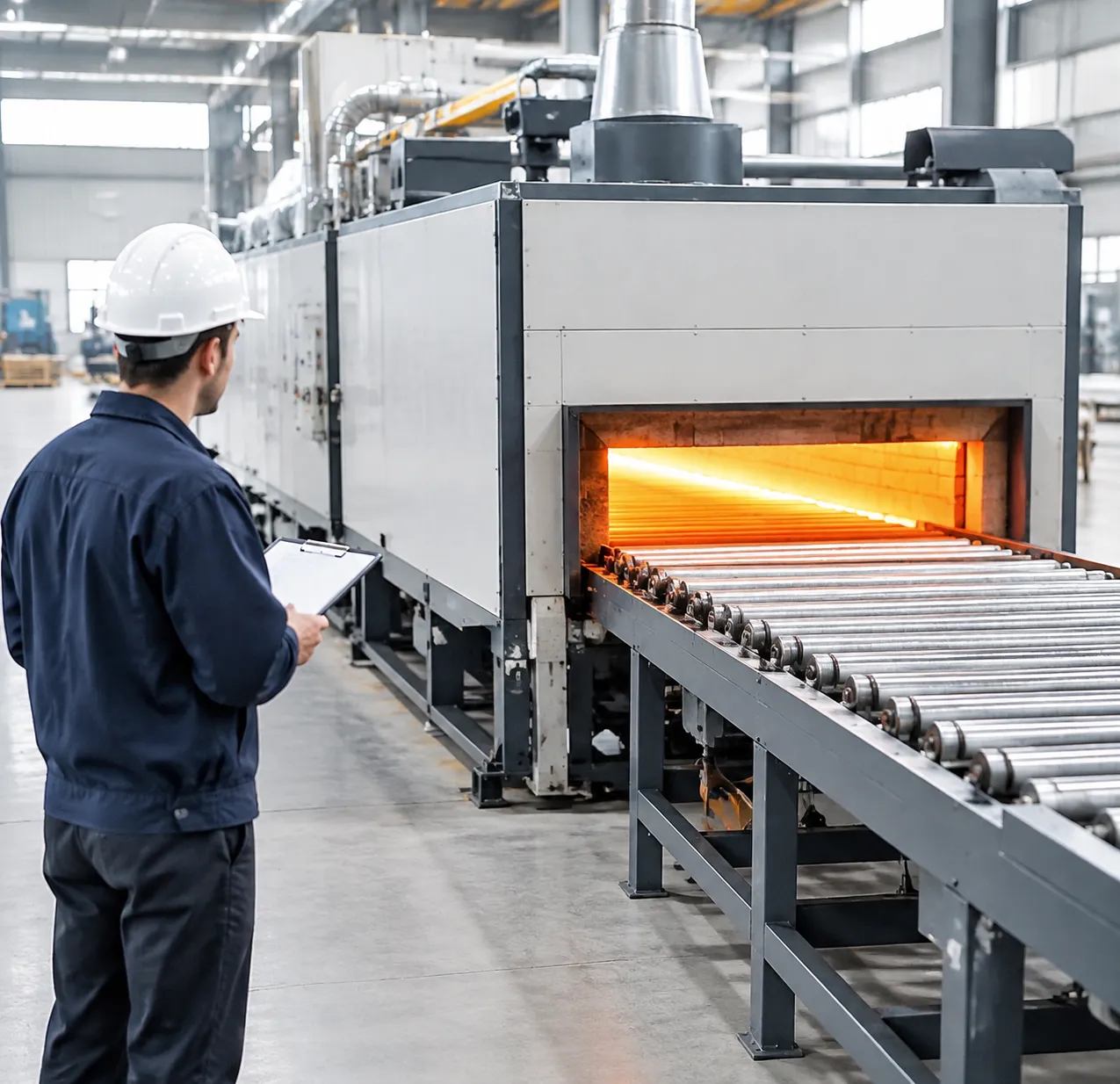
Selecting the right kiln comes down to matching your production throughput, heating profiles, and everyday operational costs without over-engineering the system.
1. Matching Kiln Dimensions to Daily Capacity
Kiln sizing requires balancing chamber width, usable height, and overall length against your target cycle times:
Effective Width: Wider kilns increase volume per cycle, but wider spans demand higher-grade ceramic rollers to prevent center sagging under heavy loads.
Chamber Height: Keep vertical clearance as low as your product allows to minimize dead air volume and lower fuel or power consumption.
Kiln Length: Determined by your required firing curve and retention time. Fast-firing setups can stay relatively short, while complex multi-stage calcination needs extended heating and soaking lengths.
2. Thermal Curve Flexibility and Cooling Dynamics
Your production line needs precise multi-zone temperature zoning to maintain strict ramp rates:
Ramp & Soak Zones: Independent zone controls ensure exact heating slopes without thermal overshooting.
Cooling Speed: Fast-cooling modules prevent unwanted crystal growth in technical ceramics, while controlled slow-cooling zones prevent thermal shock fractures in thick parts.
3. Material Loading: Direct Roller Placement vs. Sagger Transport
| Loading Method | Best Used For | Key Advantages | Primary Considerations |
|---|---|---|---|
| Direct Placement | Flat tiles, structural plates, uniform substrates | Maximizes heat transfer rate; lowest thermal mass; faster cycle times | Parts must withstand direct roller contact and point loading |
| Sagger / Setter Plate | Cathode powders, ferrites, small technical ceramics | Prevents roller contamination; contains loose powders; supports complex shapes | Adds tare weight; requires extra energy to heat the carrier tooling |
When we evaluate custom roller hearth furnace designs for advanced manufacturing, tooling selection directly dictates roller spacing and drive torque requirements.
4. Evaluating Total Cost of Ownership (TCO)
Do not base your investment purely on initial equipment price. Factor in long-term operating realities:
Thermal Efficiency: High-grade refractory fiber linings and integrated waste-heat recovery systems reduce ongoing fuel and electricity bills.
Roller Replacement Frequency: Choosing proper silicon carbide or high-alumina rollers for the hottest zones prevents unexpected rod breakage, minimizing downtime.
Facility Footprint: Ensure your shop floor accommodates loading tables, return tracks, and clear access corridors for routine roller pulling and maintenance.
Operation, Preventive Maintenance, and Troubleshooting
Keeping a high temperature roller kiln running smoothly comes down to daily discipline and catching small mechanical shifts before they cause downtime. When you run continuous thermal cycles day in and day out, minor friction or buildup quickly turns into broken rollers and jammed lines. We focus on practical, floor-level maintenance protocols that keep the drive steady, protect your refractories, and ensure consistent output across demanding advanced materials processing lines.
Daily Roller Cleaning and Anti-Stick Coating Applications
Material drop-off, glaze drips, and chemical vapor condensation are constant threats to roller surfaces. When debris adheres to a rotating rod, it creates high spots that crack incoming setter plates or cause uneven travel.
-
- Apply protective coatings: We routinely coat ceramic rods with high-alumina or zircon-based anti-stick slips. This sacrificial barrier prevents glaze and flux from bonding directly to the roller body.
- Online scraping and cleaning: Run designated abrasive cleaning blocks or automated rotary brushes across accessible roller spans to shave down minor deposits before they vitrify.
- Immediate removal of stuck debris: Never hammer a seized build-up off a ceramic roller. Cool the zone safely or use specialized diamond-tipped scraping tools during scheduled line stoppages.
Correcting Roller Misalignment, Slip, and Vibration
A smooth-running continuous firing kiln depends entirely on pitch-perfect alignment. If a roller slips or wobbles, the entire batch risks skewing and jamming inside the hot zone.
-
- Tracking alignment: Use laser alignment tools across the drive sprockets and idle bearings to verify that all rods sit completely perpendicular to the kiln travel direction.
- Eliminating drive slip: Inspect transmission gears, drive belts, and drive chains for tension loss. Uneven drive tension causes speed differentials between adjacent rollers, leading directly to product pileups.
- Dampening vibration: Bearing wear or loose pillow blocks generate high-frequency vibration. Replace worn bearing inserts immediately to protect fragile silicon carbide kiln rollers from dynamic fatigue and shock fractures.
Managing Thermal Expansion and Emergency Shutdown Procedures
Thermal expansion forces in a high temperature sintering furnace can warp steel casings and pinch ceramic rods if expansion joints bind.
-
- Expansion clearances: Maintain specified cold gaps between roller end sleeves, refractory wall penetrations, and external drive couplings. As the kiln heats, these components expand; without adequate clearance, rods bind and snap.
- Auxiliary drive standby: During unexpected power outages or emergency stops, never let hot rollers stop spinning. Natural convection creates a steep temperature differential between the top and bottom of a stationary roller, bowing it permanently within minutes. Keep backup generators or pneumatic auxiliary drives engaged to maintain slow, continuous rotation until the furnace cools below 500°C.
- Controlled ramp-down: Avoid rapid crash-cooling unless personal safety is at risk. Sharp thermal gradients crack dense refractory linings and induce thermal shock in ceramic rollers.
Routine Inspection Checklist for Heating Elements, Burners, and Bearings
Consistent preventative checks keep your roller kiln temperature control rock-solid and energy consumption in check.
-
- Heating elements (MoSi2 and SiC): Inspect resistance readings weekly. Look for surface glaze breakdown, necking, or sagging. Tighten terminal straps to prevent arcing and localized overheating.
- Gas burners: Clean nozzle orifices monthly, test flame-sensor rods, and calibrate air-to-gas ratio valves to prevent localized hot spots and reducing atmospheres in oxidizing zones.
- Bearings and drive gears: Grease high-temperature bearings with synthetic, non-carbonizing lubricants on a strict rotation schedule. Check daily for abnormal heat buildup using an infrared thermometer.
- Refractory seal seals: Inspect flexible fiber collars around roller penetration holes. Replace degraded ceramic fiber seals immediately to stop cold-air infiltration and save fuel.
Frequently Asked Questions (FAQs)
What is the maximum operating temperature of a continuous roller kiln?
Standard continuous firing setups run comfortably between 1150°C and 1300°C for traditional ceramics. When we build an industrial high temperature roller kiln equipped with silicon carbide (SiC/SSiC) rollers and heavy-duty electric elements or advanced gas burners, operating temperatures reach up to 1350°C to 1400°C. For thermal processing needs requiring even higher temperatures or closed environments beyond roller capabilities, our industrial high-temperature sintering furnace options handle specialized batch profiles.
How long do ceramic rollers typically last in high-temperature zones?
Roller lifespan depends entirely on mechanical load, rotation speed, and operating temperatures:
| Roller Material | Operating Zone | Average Service Life | Main Failure Risk |
|---|---|---|---|
| High-Alumina Ceramic | Up to 1250°C | 6 to 12 months | Creep sagging, chemical attack |
| Silicon Carbide (SiC) | 1250°C to 1400°C | 12 to 24+ months | Mechanical impact, improper torque |
| Heat-Resistant Alloy | Entry / Exit (<900°C) | 2 to 4 years | Oxidation, drive slip |
Running rollers within rated weight capacities and keeping anti-stick coatings fresh maximizes these service intervals.
Can a roller kiln handle uneven or delicate product shapes?
Yes, but you cannot place irregular shapes directly on rotating rods. We solve this by using flat setter plates or cordierite/mullite saggers:
Saggers: Shield fragile technical ceramics or battery powders from direct airflow and contain bulk parts.
Setter Plates: Provide a flat, stable riding surface over the ceramic rollers to prevent jamming or tipping.
Carrier Trays: Distribute component weight across multiple rollers to avoid localized point-loading.
What causes roller bending and how can I prevent it?
Roller warping happens due to three main shop-floor issues:
Drive Stoppage Under Heat: If the drive stops while hot, gravity bends the stationary rods. We always install auxiliary backup drive systems (UPS or pneumatic drives) to keep rollers turning during power cuts.
Thermal Shock: Rapid temperature changes cause thermal shock cracks and warping. Ramp kiln zones gradually.
Excessive Load: Placing payloads heavier than the roller's bending strength rating at peak heat leads to permanent creep sag.
What is the difference between a high temperature roller kiln and a tunnel kiln?
A high temperature roller kiln transports parts directly across spinning rods without heavy kiln cars. This eliminates the huge thermal mass of cars and batts, cutting fuel and electricity consumption by 30% to 50% while slashing cycle times from tens of hours to under 60 minutes. Tunnel kilns remain superior only for extra-tall products or massive, heavy-block loads that exceed roller weight limits.