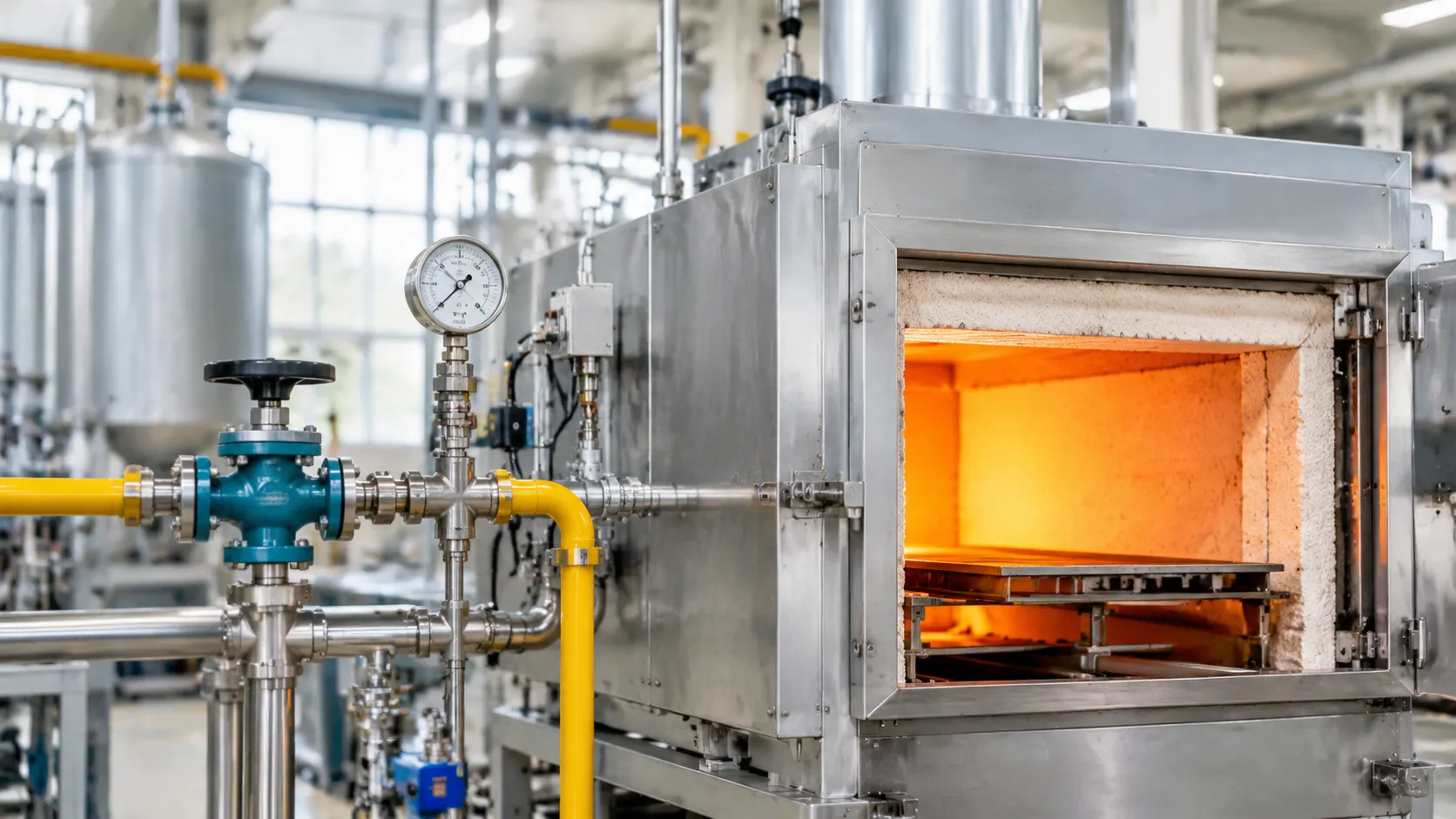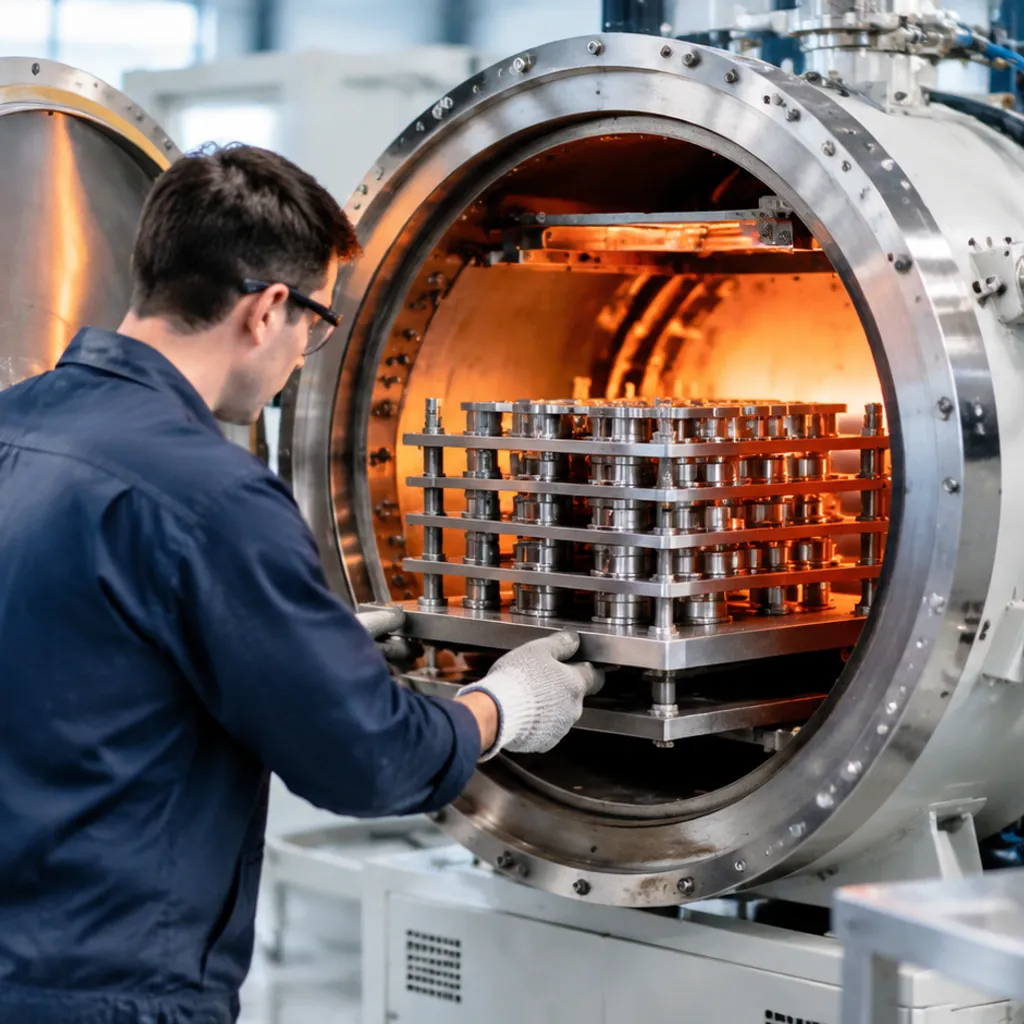
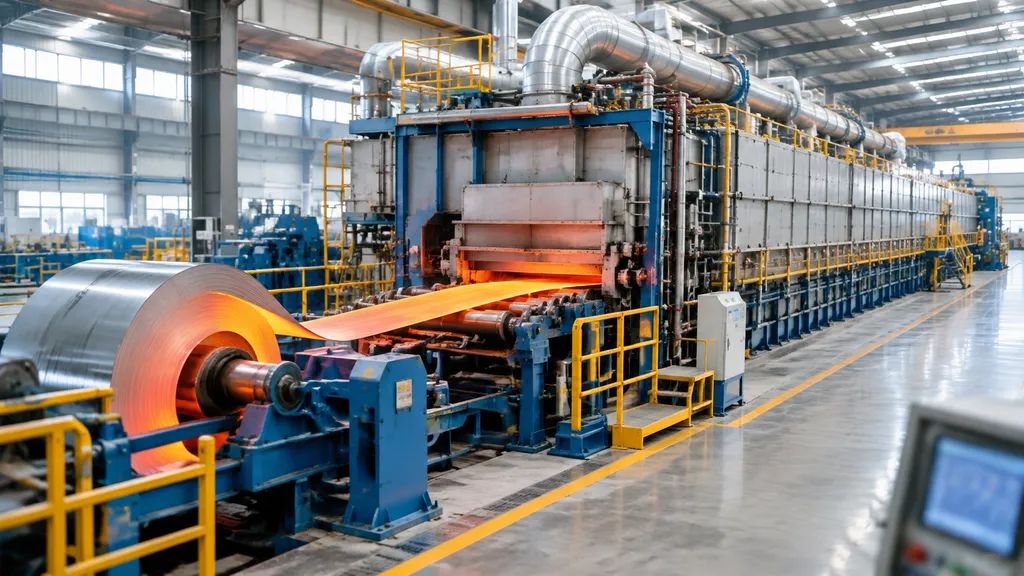
You might think that hitting the target continuous annealing furnace temperature is just a matter of cranking up the heat, but if you’re off by even a few degrees, you risk compromising the entire batch of steel strip.
Whether you're processing mild steel or complex AHSS grades, the thermal cycle is the heartbeat of your production line. Getting the balance between recrystallization, soaking time, and controlled cooling isn't just about output—it’s about the metallurgical integrity of the final product.
In this guide, I’m pulling back the curtain on how to master your continuous annealing furnace temperature to ensure uniform mechanical properties, eliminate edge defects, and keep your line running at peak efficiency.
Let's dive in.
Continuous Annealing Furnace Temperature for Steel Strip Processing
Understanding the Role of Temperature in Steel Strip Annealing
Every phase of the thermal cycle directly impacts the microstructure of cold-rolled steel strip. We design our heating systems to ensure exact thermal delivery across all zones, balancing productivity with material specifications.
Importance of Controlled Heating and Soaking Processes
A properly calibrated continuous annealing line demands stable heating ramps and steady soaking zone temperatures:
Stress Relieving: Rapid yet uniform heating relieves residual stresses from cold rolling without causing shape defects or strip walking.
Microstructural Equilibrium: The soaking section must deliver consistent thermal energy to ensure complete phase dissolution and chemical homogeneity across both the length and width of the strip.
Energy Optimization: Balanced heating zones minimize burner or element over-firing, reducing overall thermal consumption during continuous runs.
Defining the Recrystallization Phase and Managing Grain Growth
Cold-rolled steel contains high dislocation density. Reaching the exact recrystallization temperature triggers the formation of new, strain-free equiaxed grains:
Nucleation Control: Applying the proper heat input initiates uniform grain nucleation throughout the deformed ferrite matrix.
Preventing Coarsening: Uncontrolled dwell times or localized overheating accelerate secondary grain growth. We strictly govern residence time to prevent grain coarsening, which degrades mechanical strength and surface finish.
Impact of Peak Metal Temperature (PMT) on Ductility and Yield Strength
Peak Metal Temperature (PMT) represents the critical setpoint governing the final balance between formability and strength:
Ductility and Elongation: Achieving the targeted PMT ensures full recrystallization, significantly lowering yield-to-tensile ratios to provide superior deep-drawing characteristics.
Yield Strength Uniformity: Under-heating results in partial recrystallization and localized high yield points, leading to stamping failures downstream.
Tension Integrity: Controlling PMT prevents strip softening beyond structural limits, preventing heat buckling and excessive strip tension strain inside the furnace chamber.
The Continuous Annealing Thermal Cycle Explained
A stable thermal cycle is the foundation of high-quality metal processing. Our continuous annealing furnace for steel strip is engineered to manage the critical phases of the thermal cycle with precision:
-
- Heating Zone: We optimize ramp-up rates to balance energy efficiency with strict surface scale control. By precisely managing the heating curve, we ensure the strip reaches the required recrystallization temperature without compromising material integrity.
- Soaking Zone: This stage is vital for achieving uniform temperature distribution across the entire strip. Our furnace design guarantees the thermal uniformity necessary to create a consistent, homogeneous microstructure, which is essential for uniform mechanical properties.
- Controlled Cooling: To process Advanced High-Strength Steel (AHSS), we implement precise cooling rates that prevent unwanted phase transformations. This careful regulation of the cooling profile ensures the final product meets exact ductility and yield strength specifications, providing a reliable output for demanding industrial applications.
Technical Challenges in Temperature Management
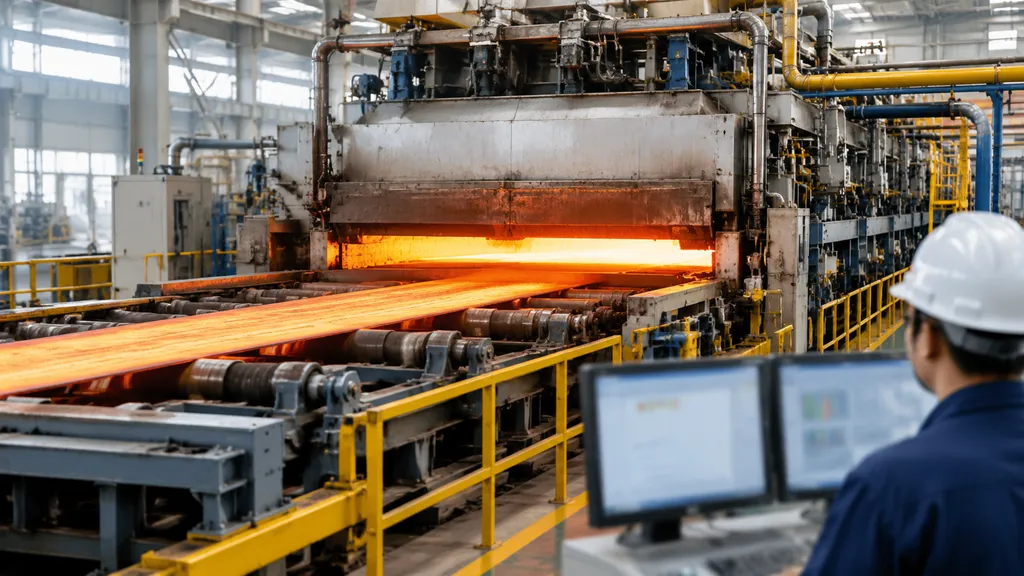
Core Technical Hurdles
| Challenge | Impact on Production | Mitigation Strategy |
|---|---|---|
| Transverse Gradients | Uneven material properties | Optimized furnace geometry for uniform heat distribution |
| Atmosphere Integrity | Decarburization & oxidation | Precision sealing and controlled protective atmospheres |
| Residence Time | Inconsistent recrystallization | Dynamic synchronization of line speed with thermal zones |
Process Synchronization
Managing the relationship between line speed and residence time is critical for processing different steel grades. We design our systems to maintain high-quality results while balancing throughput demands. For operations requiring specialized heating environments, our hydrogen atmosphere furnace for high-temperature heating provides the necessary control to prevent surface oxidation, ensuring that your strip maintains its quality from start to finish.
Atmosphere and Uniformity Control
To prevent decarburization, we utilize advanced instrumentation that regulates the furnace environment in real-time. By managing the continuous annealing furnace temperature for steel strip through automated PID loops, we ensure that the metal experiences uniform heat transfer, preventing localized overheating and internal stress. This technical approach guarantees that the strip achieves the desired metallurgical structure while remaining free of surface defects.
The Haitem Furnace Advantage
At Haitem, we engineer our equipment to master the continuous annealing furnace temperature for steel strip processing. Our approach combines robust mechanical design with intelligent automation to ensure every coil meets strict metallurgical requirements. By utilizing a roller hearth annealing furnace for precision heat treatment, we provide a stable environment that supports superior throughput and surface quality.
Our systems are designed to deliver consistent results through the following technical core competencies:
-
- Advanced PID Control: We integrate high-precision instrumentation for real-time monitoring and dynamic adjustment of the thermal cycle, ensuring the strip maintains the exact temperature required for consistent grain structure.
- Optimized Furnace Geometry: Our furnace designs are tailored to manage transverse temperature gradients. By refining the internal heat distribution, we ensure uniform heating across varying strip widths, which is critical for minimizing edge-to-center mechanical property deviations.
- Energy-Efficient High-Volume Production: We utilize advanced thermal insulation materials and combustion control technology to reduce heat loss. This allows high-speed lines to operate efficiently while maintaining the necessary residence time for optimal recrystallization.
By focusing on durable, industrial-grade construction, we ensure our furnaces maintain reliable performance even in the most demanding high-volume manufacturing environments. Our engineering team works directly with clients to configure these systems to specific line speeds and material thicknesses, providing a customized solution that balances process efficiency with high-quality output.
Selecting Annealing Parameters by Steel Grade
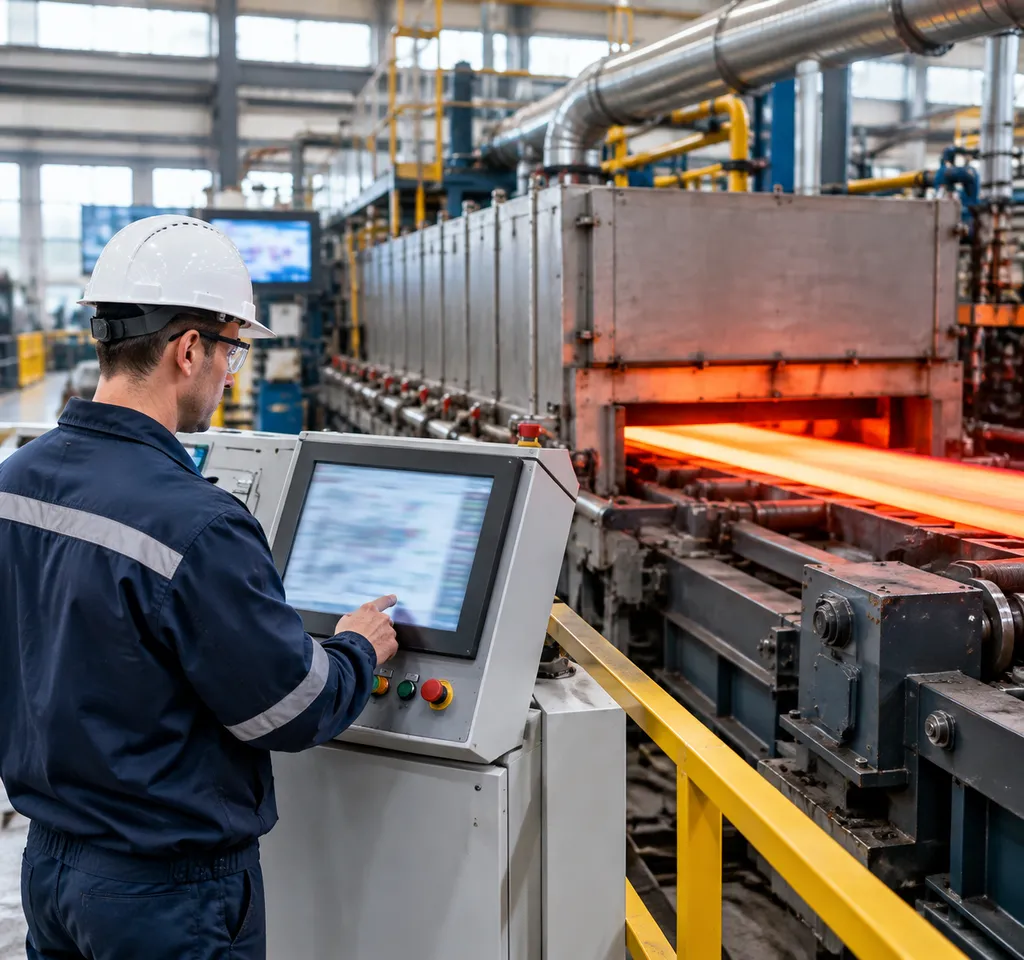
Every steel grade responds differently to thermal processing. To hit exact mechanical specifications, we customize the continuous annealing furnace temperature steel strip operators rely on based on metallurgical phase targets, gauge thickness, and throughput requirements.
Customizing Cycles for Mild Steel vs. AHSS
Standard low-carbon or mild steels demand uniform recrystallization temperatures to maximize ductility and formability. In contrast, Advanced High-Strength Steels (AHSS) require precise soaking zone temperatures followed by controlled, rapid cooling to lock in dual-phase (DP) or complex-phase microstructures.
| Parameter Focus | Mild Steel (CQ / DQ / DDQ) | Advanced High-Strength Steel (AHSS) |
|---|---|---|
| Target Microstructure | Equiaxed ferrite with controlled grain growth | Ferrite-martensite or multi-phase matrix |
| Soaking Temperature | 680°C – 750°C (Recrystallization) | 780°C – 860°C (Intercritical annealing) |
| Cooling Requirement | Moderate cooling to prevent thermal stress | Rapid gas quench to arrest phase changes |
| Primary Objective | Maximum ductility and drawability | High yield strength with balanced formability |
Balancing Strip Thickness, Line Speed, and Residence Time
Maintaining thermal stability inside our continuous annealing furnace lines requires continuous synchronization across three variables:
-
- Strip Gauge: Heavy-gauge cold-rolled strip absorbs heat more slowly. We scale furnace residence times to eliminate the temperature gradient between the strip core and the surface.
- Heat Treatment Line Speed: Speed directly dictates heating rates. As line speed increases, zone setpoints must dynamically adjust to ensure the strip reaches its designated peak metal temperature (PMT).
- Thermal Inertia Management: Ultra-thin gauges run at higher line speeds, demanding fast-response zone control to prevent thermal overshoot and strip edge overheating.
Calibration Strategies with Engineering Teams
We collaborate directly with your plant engineers to configure custom heating curves before commissioning. By benchmarking actual strip surface data against line speed and atmosphere compositions, our engineering team dials in zone setpoints, tension profiles, and cooling gradients to ensure repeatable, defect-free production across every coil run.
Ensuring Quality Through Reliable Instrumentation
Achieving the correct continuous annealing furnace temperature for steel strip requires a robust sensory architecture. We prioritize the integration of high-precision pyrometers and strategically placed thermocouples to monitor thermal profiles in real-time. By utilizing these instruments, we ensure the furnace atmosphere control and heating zones remain within the tight tolerances required for high-quality metal processing.
For our industrial clients, reliable data is the foundation of quality assurance. Our approach includes:
-
- Strategic Sensor Placement: Positioning thermocouples at critical transition points to capture accurate thermal gradients and prevent localized overheating.
- High-Precision Pyrometry: Deploying advanced non-contact sensors to track the strip's surface temperature throughout the continuous annealing line.
- Maintenance Protocols: Implementing rigorous calibration schedules to eliminate sensor drift, ensuring the mechanical property optimization of every coil is repeatable and consistent.
We uphold the highest quality certifications in our design process to ensure that our instrumentation meets demanding industrial standards. By maintaining these systems with precision, we help operators minimize variability and achieve the uniform metallurgical grain structure necessary for competitive steel manufacturing.
FAQs: Optimizing Your Annealing Process
Achieving the ideal continuous annealing furnace temperature for steel strip requires addressing common operational variables that impact product quality. We provide insights to help engineering teams maintain consistency and precision in their thermal cycles.
What causes temperature variations across the strip width?
Transverse temperature gradients often result from uneven heat distribution within the furnace or inconsistent cooling rates. If the furnace geometry does not support uniform heat transfer, the edges may reach a different temperature than the center, leading to variations in mechanical properties. Utilizing advanced furnace designs with optimized airflow ensures heat is applied evenly across the entire strip surface.
How does line speed affect the final metallurgical properties?
Line speed directly dictates the residence time of the steel within each thermal zone. If the speed is too high, the strip may not reach the required recrystallization temperature, preventing the formation of the desired grain structure. Conversely, reduced speed increases residence time, which can lead to excessive grain growth and a loss of yield strength. Balancing line speed with your specific heating and cooling rates is essential for property optimization.
Why is atmosphere control critical during the heating phase?
Maintaining a strict controlled atmosphere furnace environment is vital to protect the steel strip surface integrity. Without proper regulation, oxygen can lead to oxidation or decarburization, which permanently degrades the material’s surface quality. Proper furnace atmosphere control ensures that the strip remains free of contaminants while undergoing high-temperature processing.
Request a Technical Consultation
To discuss how Haitem furnace technology can be customized to your specific production requirements, please contact our engineering team to schedule a project consultation.