Formula details
Product Details
Overview
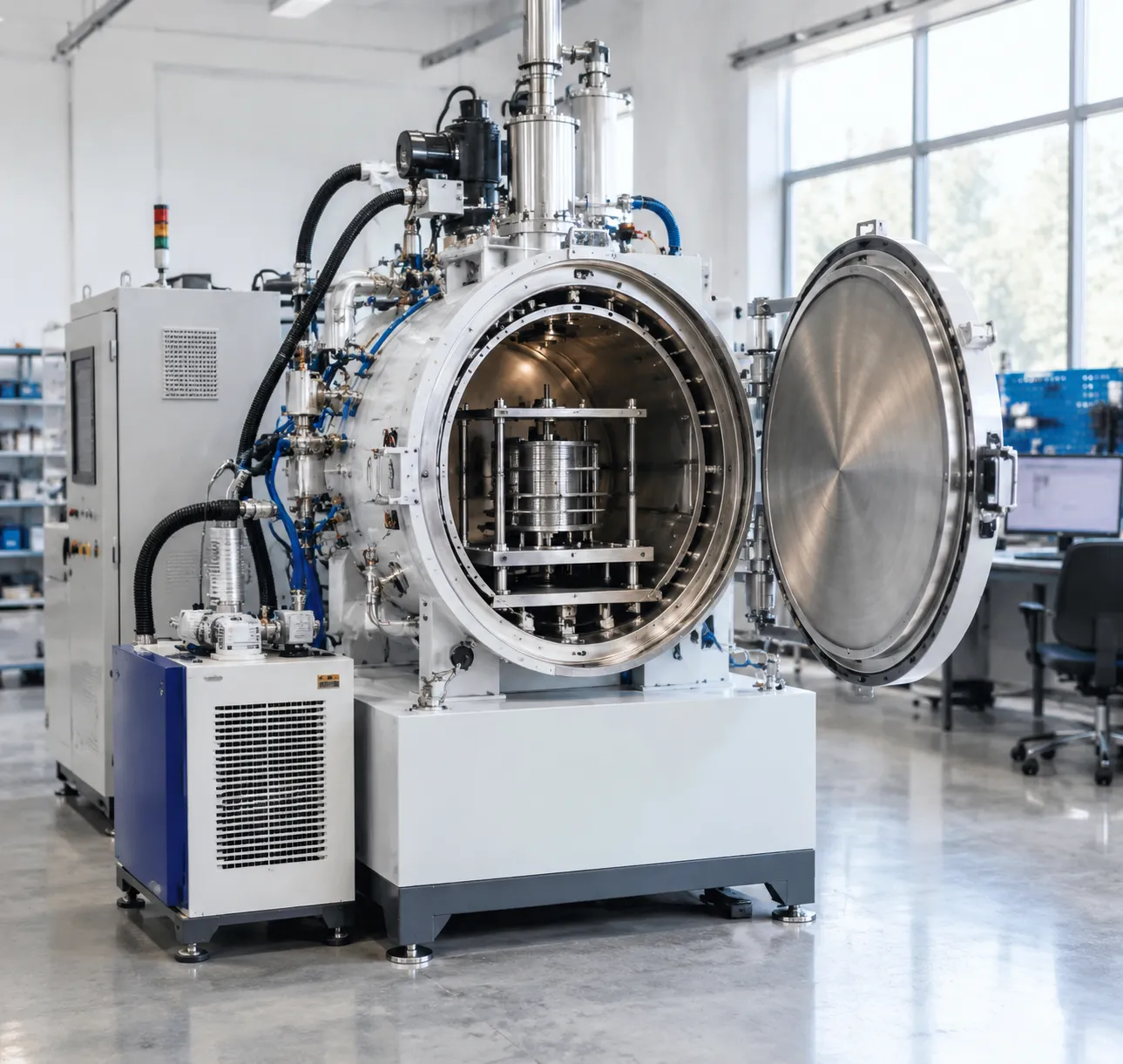
High-Vacuum Brazing Furnace for Diamond Milling Cutters
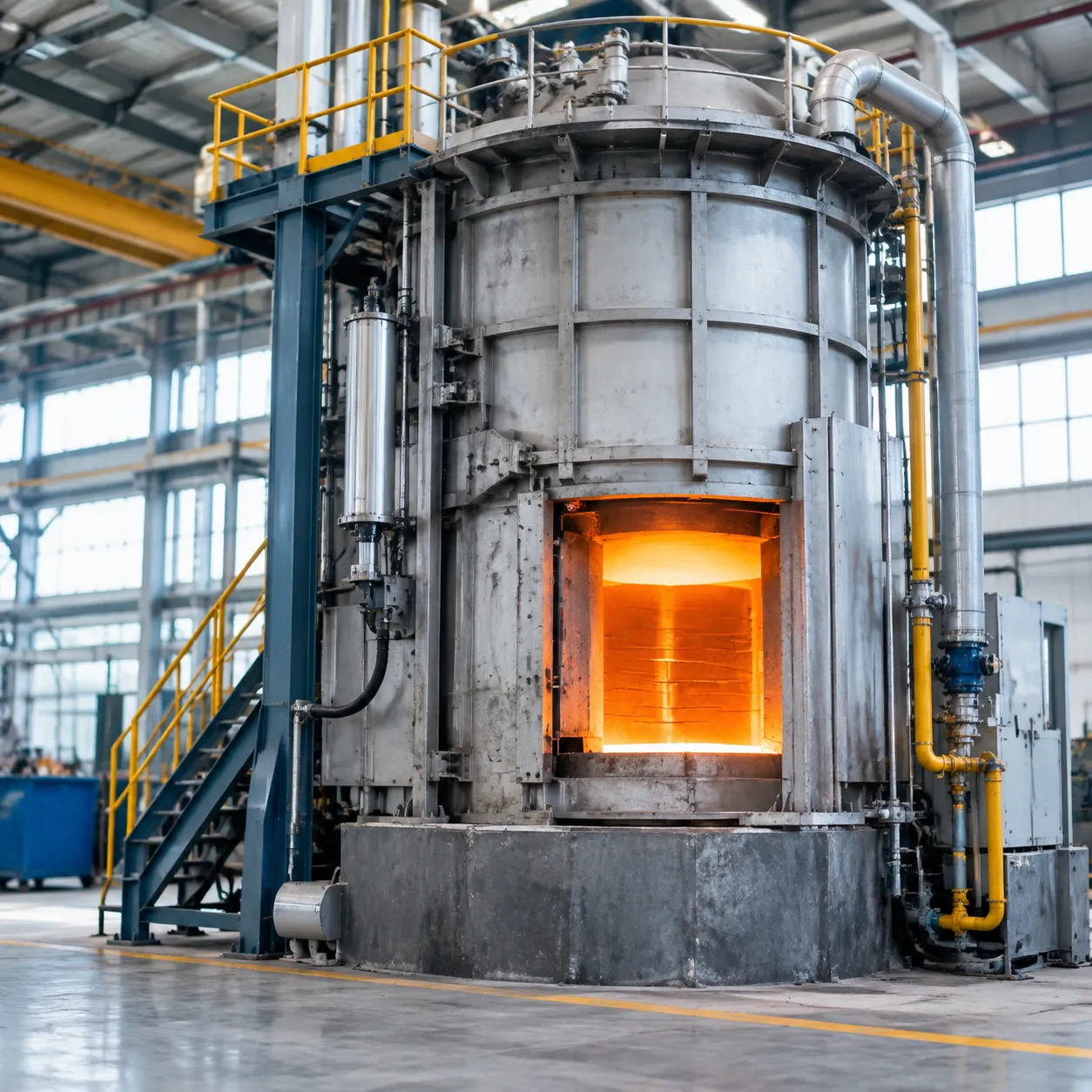
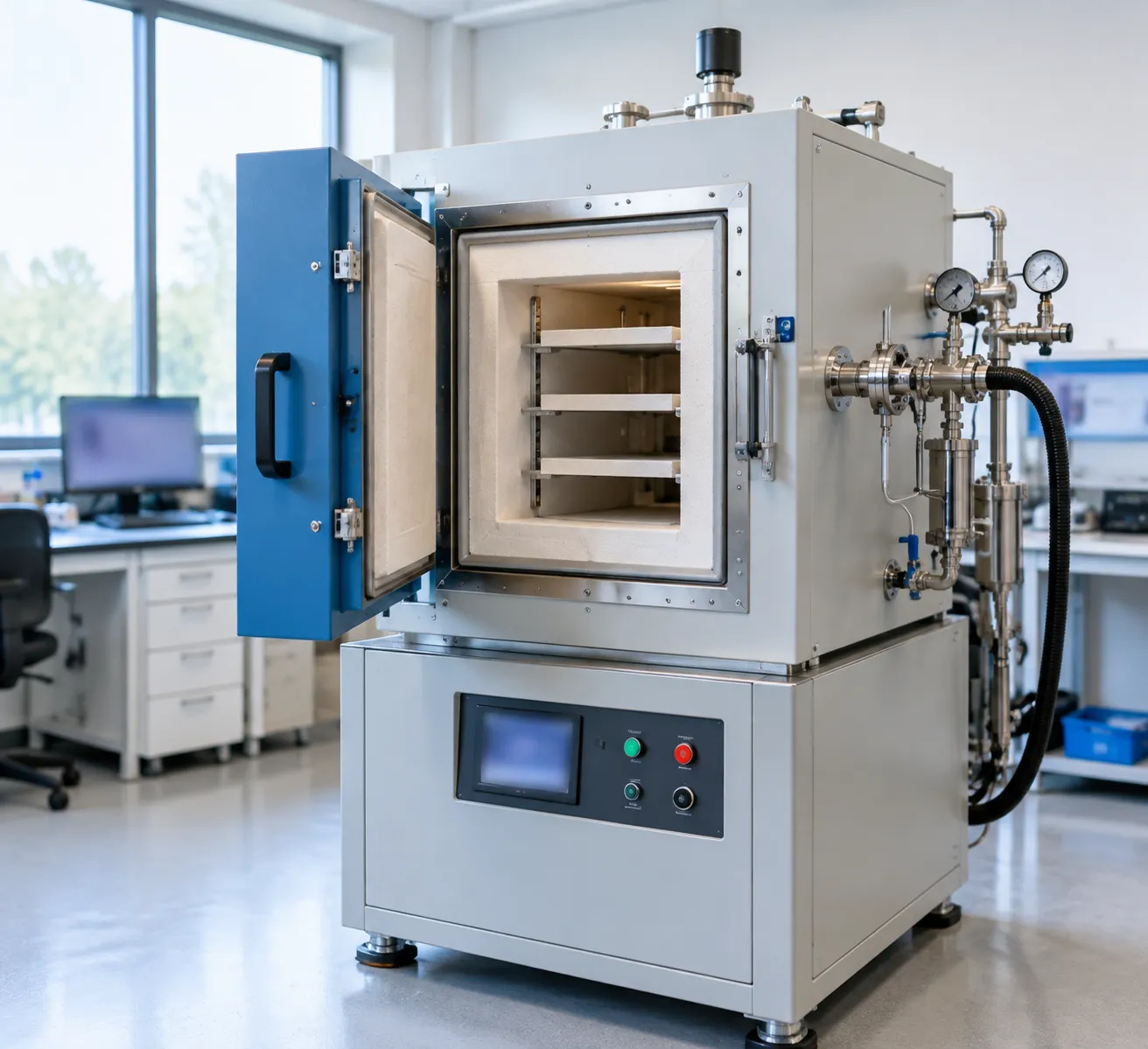
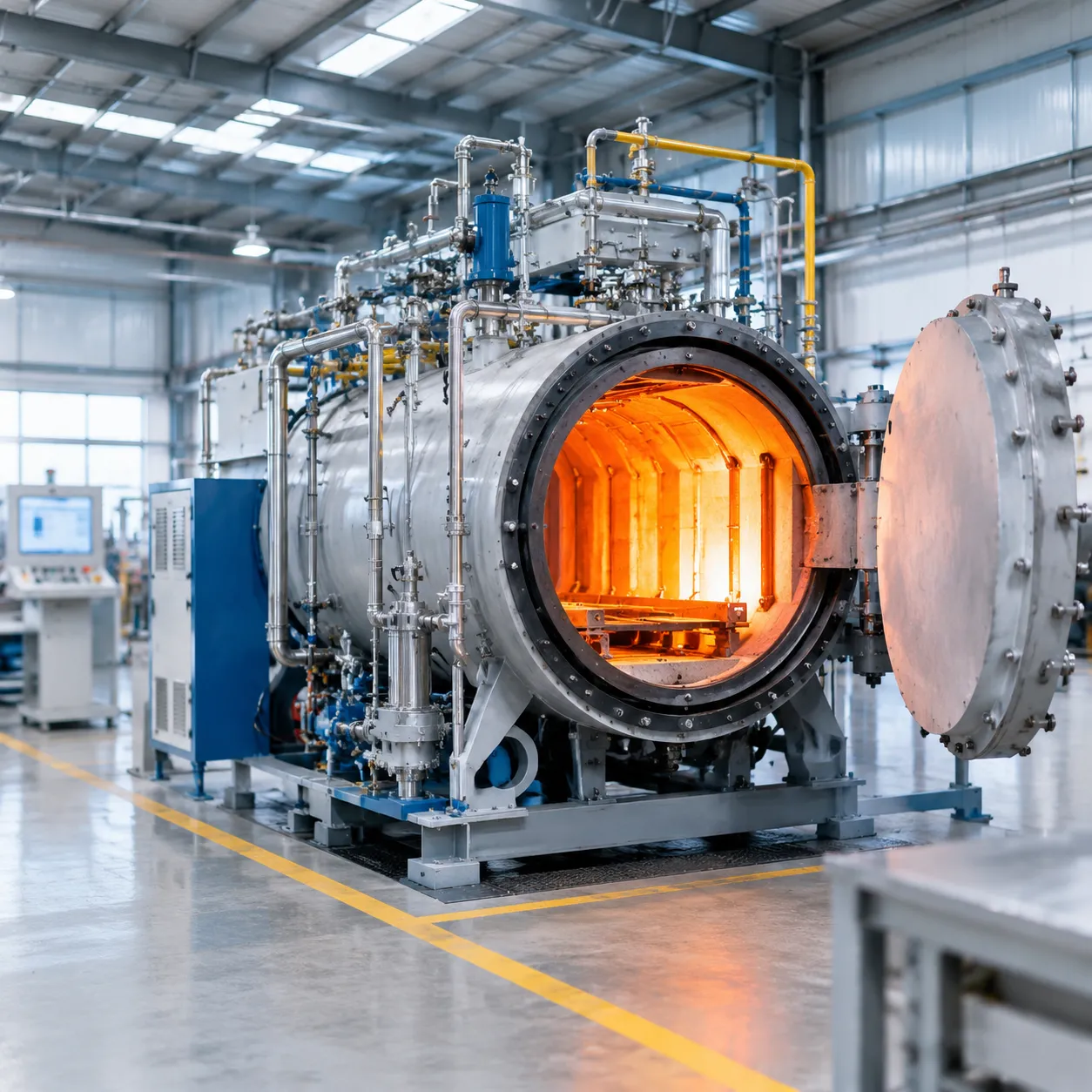
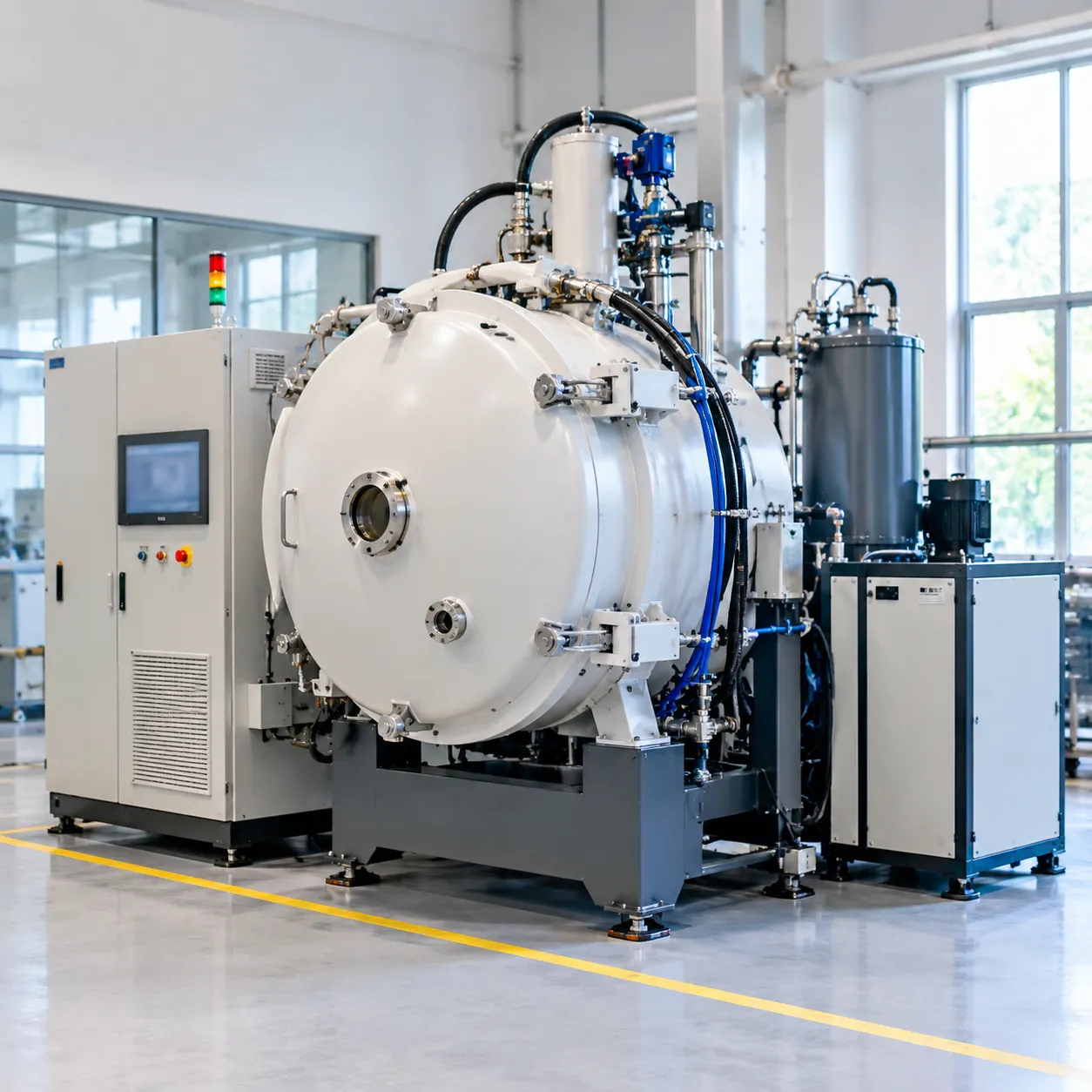
We engineer industrial diamond milling cutter vacuum brazing furnaces for sale, delivering the thermal precision, cleanliness, and structural integrity required by modern toolmakers. Designed specifically to handle PCD, PCBN, CVD diamond, and solid carbide rotary tooling, our systems provide an ultra-clean thermal environment that eliminates process variability and maximizes tool life.
Engineered for Precision Tool Manufacturers
Traditional brazing methods introduce flux residues, localized thermal stress, and atmospheric oxidation that degrade diamond edges. Our vacuum brazing furnaces replace erratic open-air techniques with a fully controlled, high-vacuum thermal cycle tailored for high-performance cutting tools.
-
- Dedicated Tooling Capabilities: Optimized for multi-flute diamond milling cutters, PCD router bits, PCBN inserts, and complex carbide assemblies.
- Oxidation-Free, Fluxless Processing: Clean vacuum environments eliminate aggressive chemical fluxes, preventing diamond degradation, surface discoloration, and post-braze acid washing.
- High-Repeatability Batch Cycles: Multi-stage digital temperature ramping and tight uniformity ensure identical shear strength across every cutter in the batch.
- Tailored Engineering: Modular configurations let you match hot zone materials, chamber volumes, and pumping systems directly to your production volume.
Core Configuration Highlights
| Parameter | Standard Specification | Custom Upgrade Option |
|---|---|---|
| Ultimate Vacuum Level | 5.0 x 10^-3 Pa | Down to 10^-4 Pa (High-Vacuum Diffusion/Turbo) |
| Hot Zone Construction | All-Metal Molybdenum / Stainless | High-Purity Rigid Graphite Composite |
| Operating Temperature | Up to 1100°C (Diamond-safe window) | Up to 1300°C (Carbide & Superalloys) |
| Temperature Uniformity | ±3°C to ±5°C | Multi-zone closed-loop control |
| Cooling Method | Inert Gas Quenching (N2 / Ar) | High-speed directional forced convection |
Whether you are expanding multi-flute PCD milling cutter output or transitioning from manual induction to automated batch production, our vacuum brazing systems provide the structural joint strength and clean aesthetics required for competitive global distribution.
Key Benefits of Vacuum Brazing for Diamond Tools
Traditional induction or torch brazing exposes diamond tips to atmospheric oxygen, burns cutting edges, and leaves messy flux residues. Our vacuum systems solve these issues by combining active brazing alloy metallurgy with clean, sealed thermal processing.
Here is why top toolmakers use our vacuum brazing technology for PCD, PCBN, and diamond milling cutters:
-
- Zero Oxidation and Flux-Free Cleanliness: By eliminating atmospheric oxygen entirely, our furnaces run completely fluxless. You get bright, clean joints with zero flux entrapment, zero corrosive residue, and zero gas-bubble porosity.
- Graphitization-Free Diamond Protection: Monocrystal diamond, PCD, and CVD tips degrade when overheated. Our furnaces use multi-zone PID temperature controls with accuracy within ±1°C, keeping the thermal window precisely within active alloy melting points without damaging diamond structures.
- Unmatched Joint Shear Strength: Active titanium in the braze alloy wets directly to raw diamond and tungsten carbide under high vacuum. This creates an uncompromising metallurgical bond that resists high centrifugal and cutting forces during multi-axis milling.
- Elimination of Tool Body Distortion: High-speed milling cutters require exact concentricity. Uniform 360-degree radiant heating heats the entire cutter body evenly, preventing thermal shock, stress cracking, and shank runout.
- Slashing Secondary Labor Costs: Tools exit the cooling chamber mirror-clean. You skip acid pickling, ultrasonic flux removal, and aggressive secondary grinding, cutting post-braze labor by up to 70%.
| Performance Factor | Traditional Induction Brazing | Our Diamond Vacuum Brazing Furnace |
|---|---|---|
| Atmosphere Control | Open air / Shield gas (Oxidation risk) | High vacuum ($10^{-3}$ to $10^{-4}$ Pa, Zero oxidation) |
| Chemical Flux Required | Yes (Aggressive corrosive paste) | None (100% fluxless active alloy brazing) |
| Thermal Uniformity | Localized hot spots (Runout risk) | Uniform multi-zone radiant heating (Zero body warp) |
| Diamond Integrity | High risk of graphitization/cracking | Fully preserved cutting edges and hardness |
| Batch Productivity | One tip or one tool at a time | 50 to 500+ milling cutters per load cycle |
| Post-Braze Cleanup | Labor-intensive acid washing & grinding | Direct out-of-chamber assembly and dynamic balancing |
Understanding these industrial vacuum furnace applications and benefits helps tooling shops move away from manual guesswork. We engineer our furnaces to turn difficult diamond joining operations into a repeatable, push-button production cycle.
Supported Tooling Applications and Industries

Core Tooling Applications
-
- Multi-Flute Diamond Milling Cutters & End Mills: Precision brazing of straight and helical multi-flute cutters for machining carbon fiber composites, graphite, and high-silicon aluminum.
- PCD & PCBN Rotary Cutting Tools: Reliable, batch-processed joints for polycrystalline diamond (PCD) and polycrystalline cubic boron nitride (PCBN) face mills, reamers, form tools, and indexable inserts across the automotive and advanced materials sectors.
- Diamond Core Drills, Saws & Profile Wheels: High shear strength bonding for construction core bits, segmented circular saws, continuous-rim stone tools, and glass profiling wheels.
- Carbide-Tipped Router Bits & Heavy-Duty Tooling: High-temperature, fluxless vacuum joints for woodworking shaper cutters, CNC router bits, and wear-resistant mining picks.
- Tool Re-Tipping, Pocket Repair & Servicing: Clean vacuum processing that allows fast de-brazing and precise re-tipping of worn cutter pockets without thermal distortion to the original tool shank.
Key Industries Served
-
- Aerospace & Defense: Multi-flute diamond tooling for CFRP, honeycomb panels, and titanium-graphite stacks.
- Automotive Powertrain: PCBN and PCD tooling for engine block cylinder boring, aluminum cylinder heads, and hardened steel components.
- Semiconductor & Optical Glass: Ultra-fine grit diamond grinding wheels and micro-end mills.
- General Tool Manufacturing & Job Shops: Flexible production batches meeting rigorous industrial heat treatment standards for commercial tooling distribution.
Compatible Materials and Active Brazing Alloys
Our diamond milling cutter vacuum brazing furnace for sale delivers precise metallurgical bonding across a wide range of superhard materials and metallic cutter bodies. By operating in an ultra-clean, high-vacuum environment, our industrial vacuum brazing furnace eliminates the need for chemical fluxes while maximizing bond strength across varied material combinations.
Supported Tool Substrates & Diamond Grades
-
- Base Substrates: Tool steel grades (HSS, 42CrMo, SKD11), tungsten carbide (WC-Co), stainless steels, and nickel-based superalloys.
- Superhard Inserts: Polycrystalline diamond (PCD blanks), chemical vapor deposition (CVD) diamond, synthetic single-crystal diamond (MCD), natural diamond, and PCBN tips.
Active Brazing Alloys (ABA) and Filler Metals
Direct wetting on diamond requires specialized active brazing alloy for diamond formulations containing active elements like Titanium (Ti) to form a robust carbide interface layer. Our thermal processing systems work seamlessly with foils, pastes, and preformed wires:
| Alloy Category | Key Composition | Working Temp Range | Recommended Application |
|---|---|---|---|
| Silver-Copper Active Alloys (Ag-Cu-Ti) | Ag-Cu-Ti (e.g., Cusil-ABA, Ticusil) | 780°C – 880°C | PCD inserts, synthetic diamond milling tools, carbide router bodies |
| Copper-Base Active Fillers | Cu-Sn-Ti / Cu-In-Ti | 850°C – 980°C | CVD diamond profile wheels, high-wear core drills |
| Nickel-Base Brazing Alloys | Ni-Cr-B-Si / Ni-Cr-P | 980°C – 1080°C | Heavy-duty carbide milling cutters, high-temperature industrial tools |
Alloy Selection Criteria
When configuring our vacuum brazing systems for your production runs, we evaluate three critical metallurgical criteria:
-
- Solidus & Liquidus Windows: Narrow melting ranges prevent element segregation and excessive thermal exposure that triggers diamond graphitization.
- Wetting & Capillary Action: Active titanium content ensures complete surface coverage across the diamond-carbide interface without void formation.
- Operating Service Temperature: Filler selection is matched to your cutter’s final working conditions, ensuring extreme shear resistance under heavy chip loads.
Technical Specifications and Chamber Engineering
Standard Technical Parameters
| Feature | Specification |
|---|---|
| Ultimate Vacuum Level | 5.0 × 10^-3 Pa to 1.0 × 10^-4 Pa (Diffusion / Molecular pump sets) |
| Working Temperature Range | 600°C – 1100°C (Diamond brazing operational window: 680°C – 920°C) |
| Maximum Design Temperature | 1300°C |
| Temperature Uniformity | ±3°C to ±5°C throughout the effective hot zone |
| Hot Zone Construction | High-purity graphite elements or all-metal molybdenum/stainless shielding |
| Standard Chamber Capacities | 30 kg to 500 kg per batch (Custom dimensions available) |
| Control System | Industrial PLC with high-resolution color touchscreen HMI |
| Gas Quenching Pressure | 0.1 MPa (1 bar) to 0.6 MPa (6 bar) inert Nitrogen or Argon cooling |
Key Chamber Engineering Highlights
-
- Advanced High-Vacuum Pumping Systems: Multi-stage roughing and high-vacuum pumps evacuate the chamber rapidly, removing all residual oxygen and moisture before the brazing alloy reaches liquidus.
- Uniform Heating Architecture: Multi-zone molybdenum or graphite heating configurations surround the batch, ensuring absolute vacuum furnace temperature uniformity to eliminate cutter body distortion and diamond graphitization.
- Intelligent PLC Automation: Our integrated PLC vacuum furnace control system provides real-time data logging, multi-stage temperature ramp/soak profiles, vacuum tracking, and recipe storage for consistent batch repeatability.
- Accelerated Gas Cooling: For operations requiring rapid cycle turnaround and optimal joint microstructure, we offer our single-chamber vacuum furnace with high-pressure gas quenching to cool batches evenly without introducing thermal shock.
Custom Fixturing and Batch Production Setup
Precise alignment determines tool runout and joint consistency. When braze alloys melt, diamond inserts naturally tend to shift or float. We engineer dedicated custom vacuum brazing fixtures using high-purity graphite, precision ceramics, and molybdenum to lock every cutting edge securely in place throughout the thermal cycle.
-
- Zero-Displacement Positioning: Gravity-assist nests, ceramic alignment pins, and micro-clamp assemblies hold PCD, PCBN, and monocrystalline diamond tips tight against the tool body pocket during alloy liquefaction.
- High-Density Loading Racks: Multi-tier vertical trees and grid trays maximize chamber capacity in our horizontal vacuum furnace systems, allowing you to braze dozens or hundreds of diamond milling cutters in a single batch.
- Modular Shank Adapters: Quick-swap fixture sleeves accommodate varying shank lengths and tool diameters (from 6 mm micro-mills up to large-diameter cutter heads) without purchasing entirely new tooling racks.
- Anti-Wetting Ceramic Barriers: Non-reactive ceramic spacers prevent excess active brazing filler from adhering to non-joint tool surfaces or fixture components, cutting post-braze cleanup to zero.
- Optimized Thermal Mass: Low-mass fixture profiles allow rapid, uniform heat penetration directly to the cutter pockets, eliminating cold spots and thermal lag across the batch.
Step-by-Step Vacuum Brazing Operation Process
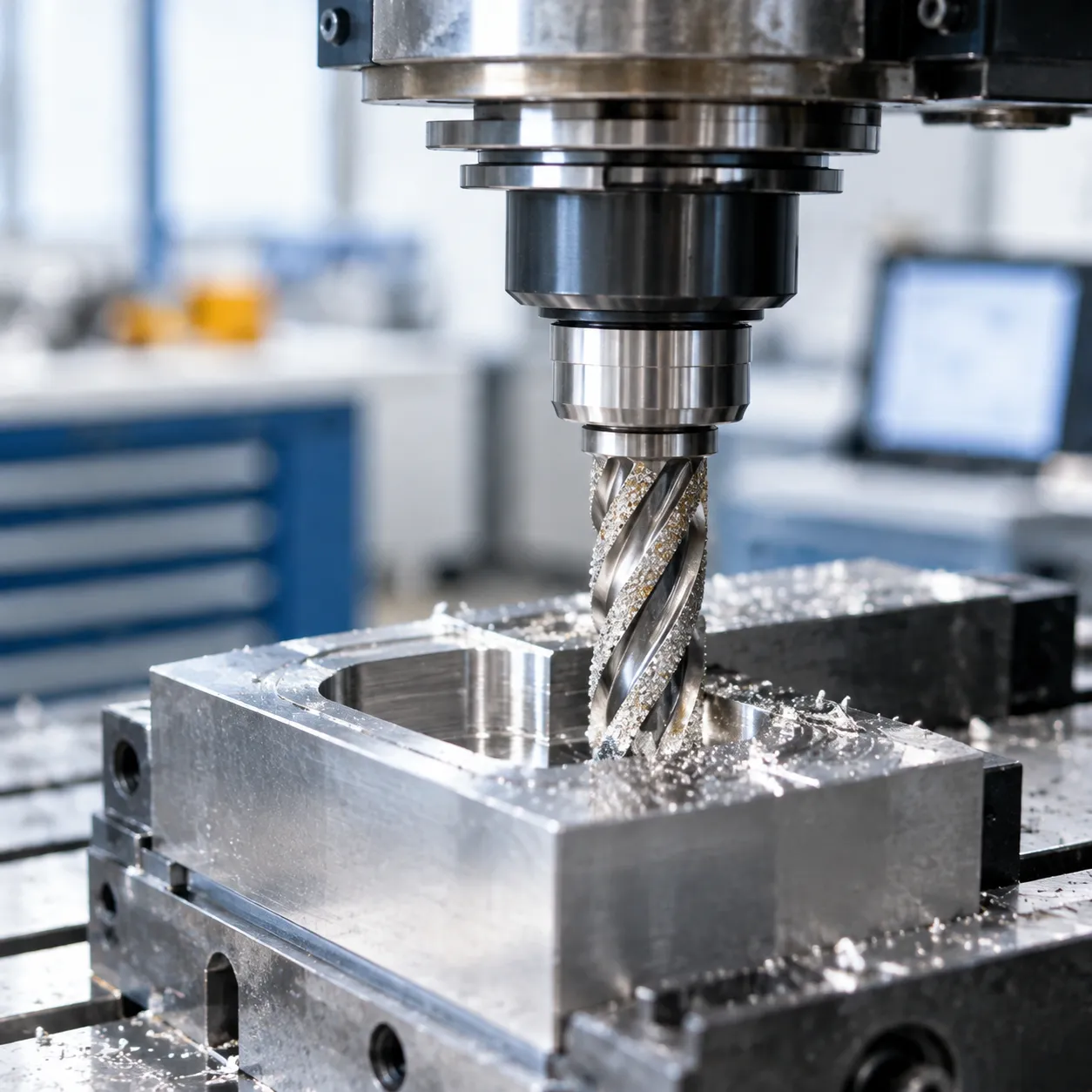
Achieving repeatable, high-shear bonds on multi-flute tools requires a disciplined thermal cycle. Operating our diamond milling cutter vacuum brazing furnace follows a streamlined 5-step process designed to eliminate voids, prevent diamond graphitization, and maximize batch throughput.
[ Ultrasonic Cleaning ] ➔ [ Alloy & Insert Fixturing ] ➔ [ High-Vacuum Evacuation ] ➔ [ Multi-Stage Brazing Soak ] ➔ [ Controlled Gas Quenching ]
1. Pre-Braze Surface Cleaning and Degreasing
Contaminants are the primary cause of braze wetting failure. Before loading:
Ultrasonic Degreasing: Steel cutter bodies, carbide pockets, and diamond tips undergo multi-stage ultrasonic baths using solvent and alcohol solutions.
Surface Activation: Oxides and residual oils are completely removed to ensure the active brazing alloy wets 100% of the joint interface.
Drying & Handling: Cleaned components are dried with hot air and handled exclusively with lint-free gloves.
2. Precise Alloy Placement and Assembly
-
- Alloy Pre-Placement: Pre-cut active brazing alloy (ABA) foils, wires, or precision-dispensed Ti-containing pastes are set directly into the cutter pockets.
- Fixture Clamping: PCD, PCBN, or monocrystal diamond segments are loaded into custom graphite/ceramic positioning fixtures to guarantee zero tip displacement during the liquidus phase.
3. Vacuum Evacuation and Thermal Outgassing
Once the batch is sealed inside the chamber:
Roughing & High-Vacuum Pumping: Rotary and diffusion/molecular pumps pull the chamber down to a base vacuum of $10^{-3}$ to 10⁻⁴ Pa.
Staged Outgassing: The system holds an initial warm-up soak (around 300°C–450°C) to vaporize any residual binders or moisture without compromising furnace elements, matching the core principles of a standard vacuum furnace heat treatment process.
4. Multi-Stage Ramp Heating and Brazing Soak
Our programmable PLC recipes manage the heating curve with precision:
Pre-Heating Stage: Ramps up to just below the alloy solidus temperature (approx. 700°C–750°C) to equalize temperatures across thick tool shanks and thin diamond inserts.
Brazing Soak: Rapidly ramps past the liquidus point (800°C–920°C depending on alloy chemistry). The furnace holds this peak temperature for a strictly timed 5 to 15-minute window, allowing active titanium to form a robust carbide reaction layer with the diamond without causing thermal degradation.
5. Controlled Cooling and Quenching Cycle
-
- Furnace Pre-Cooling: The hot zone cools under vacuum until the filler metal completely solidifies below its solidus point.
- Inert Gas Quenching: High-purity nitrogen or argon (99.999%) backfills the chamber. Variable-speed circulation blowers bring the tooling down to handling temperature rapidly, locking in joint strength while avoiding the thermal shock that cracks diamond tips.
| Process Step | Target Temperature Range | Typical Duration | Key Objective |
|---|---|---|---|
| Degreasing & Prep | Ambient (20 °C–60 °C) | 10–20 min | Zero oil, grease, or oxide residue |
| Vacuum Evacuation | Ambient | 15–30 min | Reach < 5 × 10⁻³ Pa working vacuum |
| Outgassing Soak | 350 °C–450 °C | 15–30 min | Burn off paste binders & eliminate volatiles |
| Equalization Ramp | 700 °C–750 °C | 20–30 min | Balance shank and insert core temperatures |
| Active Brazing Peak | 820 °C–900 °C | 5–15 min | Complete alloy wetting & chemical bonding |
| Gas Quench Cooling | 900 °C rightarrow < 80 °C | 45–75 min | Safe cooling without thermal joint stress |
Customization, Pricing, and Ordering Guide for Diamond Milling Cutter Vacuum Brazing Furnaces
As a direct vacuum brazing furnace manufacturer, we eliminate middleman markups while tailoring hardware configurations to fit your exact tool production targets. Review our comprehensive furnace buying guide to assess specific design trade-offs and capacity considerations before purchasing.
Key Factors Determining Vacuum Brazing Machine Price
Every tool manufacturing floor operates under different throughput constraints. Your final system quotation depends primarily on three core engineering variables:
| Pricing Factor | Available Options | Impact on Performance & Price |
|---|---|---|
| Hot Zone Materials | High-purity graphite vs. all-metal molybdenum | Graphite provides lower initial cost; molybdenum delivers absolute zero-carbon purity for sensitive grades. |
| Vacuum Pumping Train | Mechanical + Roots pump vs. added high-vacuum diffusion or turbomolecular pump | Determines ultimate vacuum levels (10⁻¹ Pa down to 10⁻⁴ Pa) and pump-down cycle speeds. |
| Chamber Dimensions | Compact laboratory units to high-capacity multi-flute batch configurations | Direct impact on batch volume, footprint, power consumption, and thermal uniformity ratings. |
| Quenching System | Radiative vacuum cooling vs. 2-bar to 10-bar inert gas backfill cooling | Fast gas-cooling loops cut cycle times significantly for multi-shift rotary cutter production. |
Standard Batch Models vs. Custom Turnkey Solutions
We supply standard skid-mounted batch units for rapid deployment, alongside fully engineered bespoke systems for complex tool geometries:
-
- Standard Batch Packages: Optimized for popular PCD and solid carbide milling cutter dimensions, delivering rapid delivery schedules and proven thermal recipes right out of the crate.
- Custom Turnkey Systems: Tailored hot zones, multi-point thermocouple arrays, specialty power feeds, and integrated custom vacuum brazing fixtures designed around your specific milling heads and shank lengths.
Lead Times, FAT, and Global Logistics
-
- Delivery Schedules: Standard configurations typically ship in 8 to 12 weeks; specialized custom builds require 14 to 18 weeks from approved engineering drawings.
- Factory Acceptance Testing (FAT): Every furnace undergoes full vacuum leak-rate verification, thermal uniformity profiling (AMS 2750 standard), and real-part test brazing before leaving our assembly floor.
- Worldwide Freight & Crating: Furnaces are vacuum-sealed, treated with anti-corrosion barrier protection, and packed in heavy-duty export crates with shock and tilt monitoring.
On-Site Commissioning and Operator Training
Our process specialists ensure smooth installation on your production floor:
-
- Mechanical & Electrical Setup: Full turnkey hookup assistance for power, chiller loops, and process gases.
- Recipe Optimization: Hands-on development of active brazing alloy heating curves to maximize tool shear strength while eliminating diamond degradation.
- Staff Instruction: Complete operational, maintenance, and software programming training for your engineering and technical operators.
Warranty and Lifetime Technical Support
-
- 12-Month Comprehensive Warranty: Full coverage across all mechanical, vacuum, and electrical systems.
- Spare Parts Availability: Strategic inventories of heating elements, ceramic insulators, thermocouples, vacuum pump rebuild kits, and high-temp door seals shipped globally within 24 to 48 hours.
- Preventive Maintenance Schedules: Structured inspection guides and remote diagnostic assistance keep your production line running without unplanned downtime.
Diamond Milling Cutter Vacuum Brazing Furnace FAQ
What vacuum level is required for brazing diamond milling cutters?
For active brazing of diamond tools, we recommend an ultimate working vacuum level between 10⁻³ Pa and 10⁻⁴ Pa. High-vacuum levels prevent titanium and other active elements in the filler metal from oxidizing, which is essential to achieve direct wetting on synthetic diamond and PCD segments.
Can this vacuum furnace braze both PCD inserts and solid carbide tools?
Yes. Our multi-purpose thermal systems handle PCD, PCBN, CVD diamond, and tungsten carbide tool assemblies on steel or carbide cutter bodies. If your tooling operation also requires hardmetal consolidation alongside brazing, our vacuum sintering furnace configurations provide the extended temperature ranges required for advanced tool manufacturing.
How do I avoid diamond degradation or burning during the vacuum brazing cycle?
Diamond graphitization occurs when carbon structures overheat or react with trace oxygen. We eliminate this risk through two core features:
Fluxless high-vacuum atmosphere: Completely removes atmospheric oxygen before heating starts.
Precise multi-zone PID control: Prevents thermal overshoot, holding the temperature strictly within the safe active brazing window (700 °C to 880 °C).
Proper process design based on heat transfer in a vacuum furnace ensures full alloy liquefaction without exposing the cutter edge to excessive thermal soak times.
What is the typical cycle time per batch for diamond milling cutters?
A typical production batch runs between 90 and 180 minutes from door-close to unload. Total cycle time depends on cutter body mass, fixture load density, and the selected forced-gas cooling pressure.
Do we need to use active flux when vacuum brazing diamond tools?
No. Vacuum brazing is completely fluxless. The clean vacuum environment strips surface oxides naturally without chemical pastes, eliminating corrosive residue, joint porosity, and post-braze acid pickling.
How do I request a custom quotation and test sample brazing from Haitem Furnace?
Send us your tooling blueprints, diamond segment types, cutter shank dimensions, and required daily batch outputs. Our technical team will generate a customized equipment layout, exact pricing, and arrange trial sample brazing in our laboratory to verify joint shear strength before purchase.