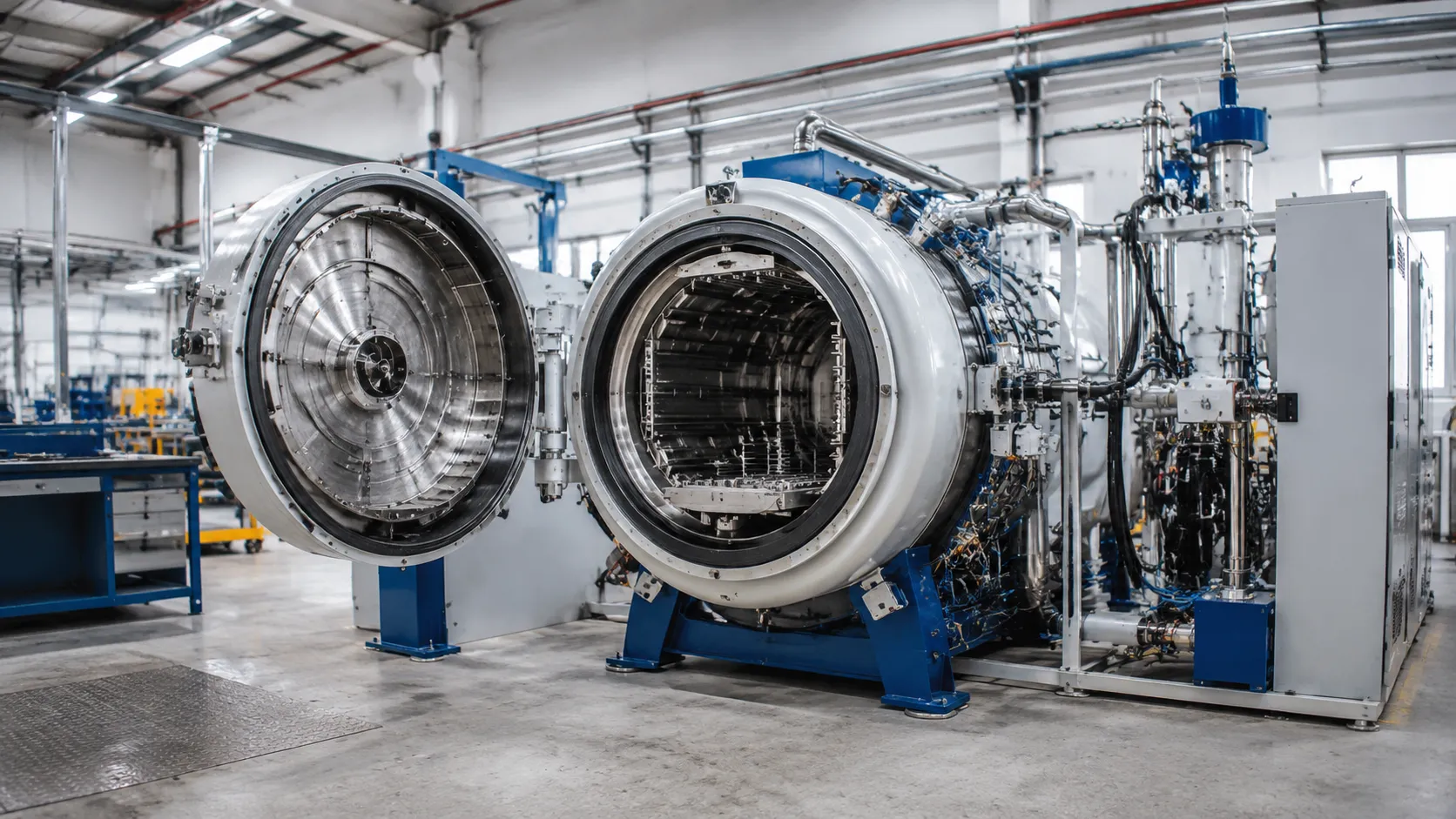
Formula details
Product Details
Overview
Product Overview
What Is a Quick Quench Vacuum Furnace?
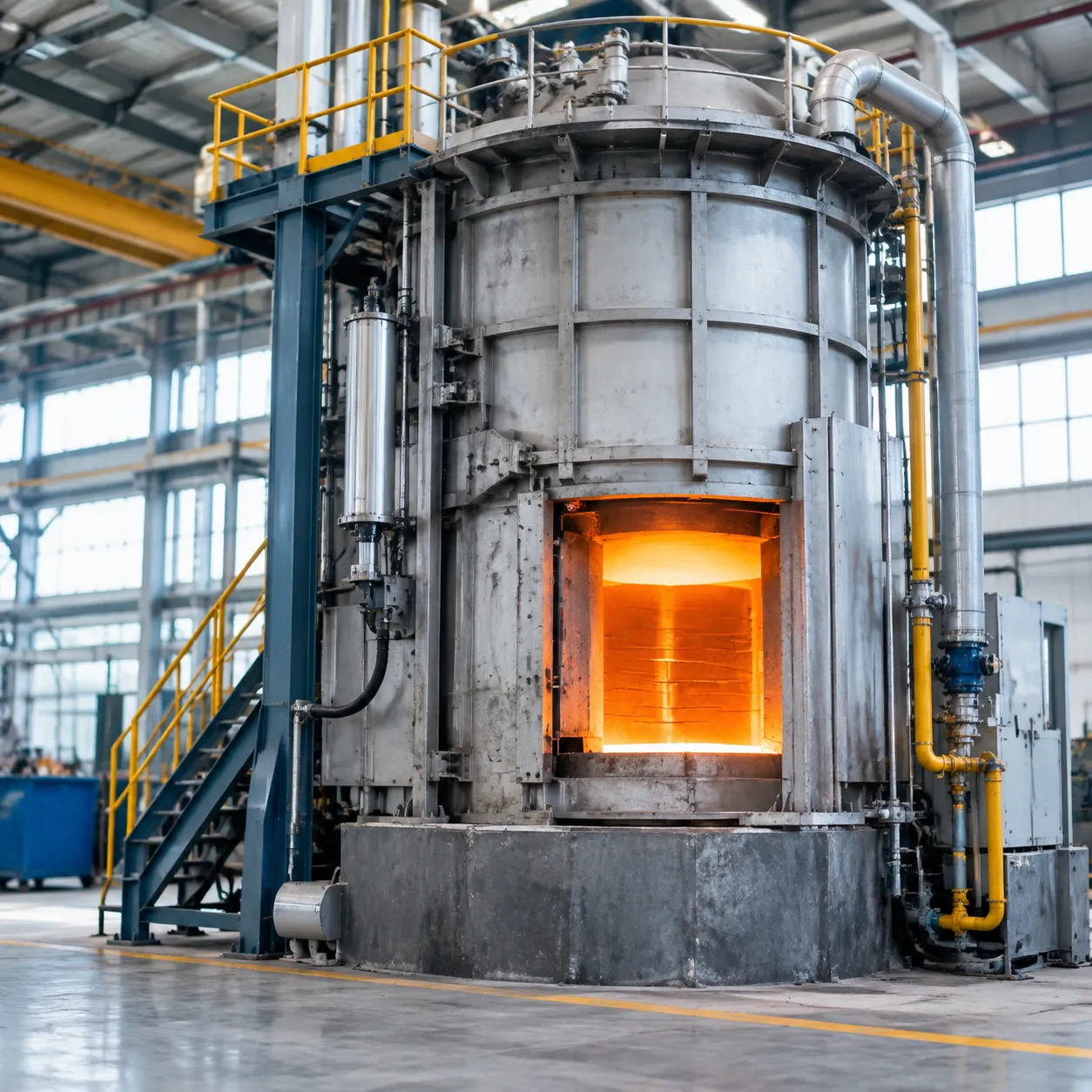
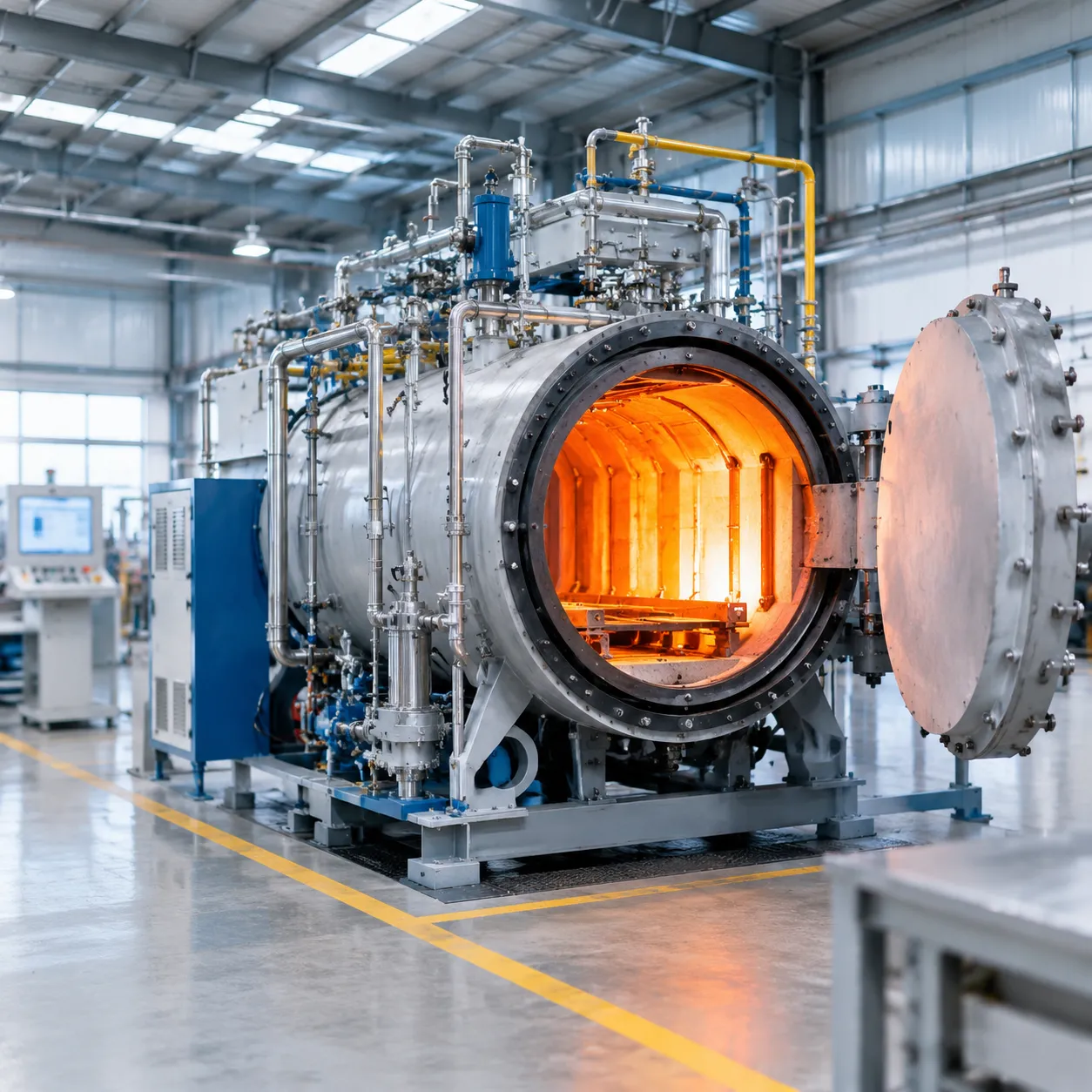
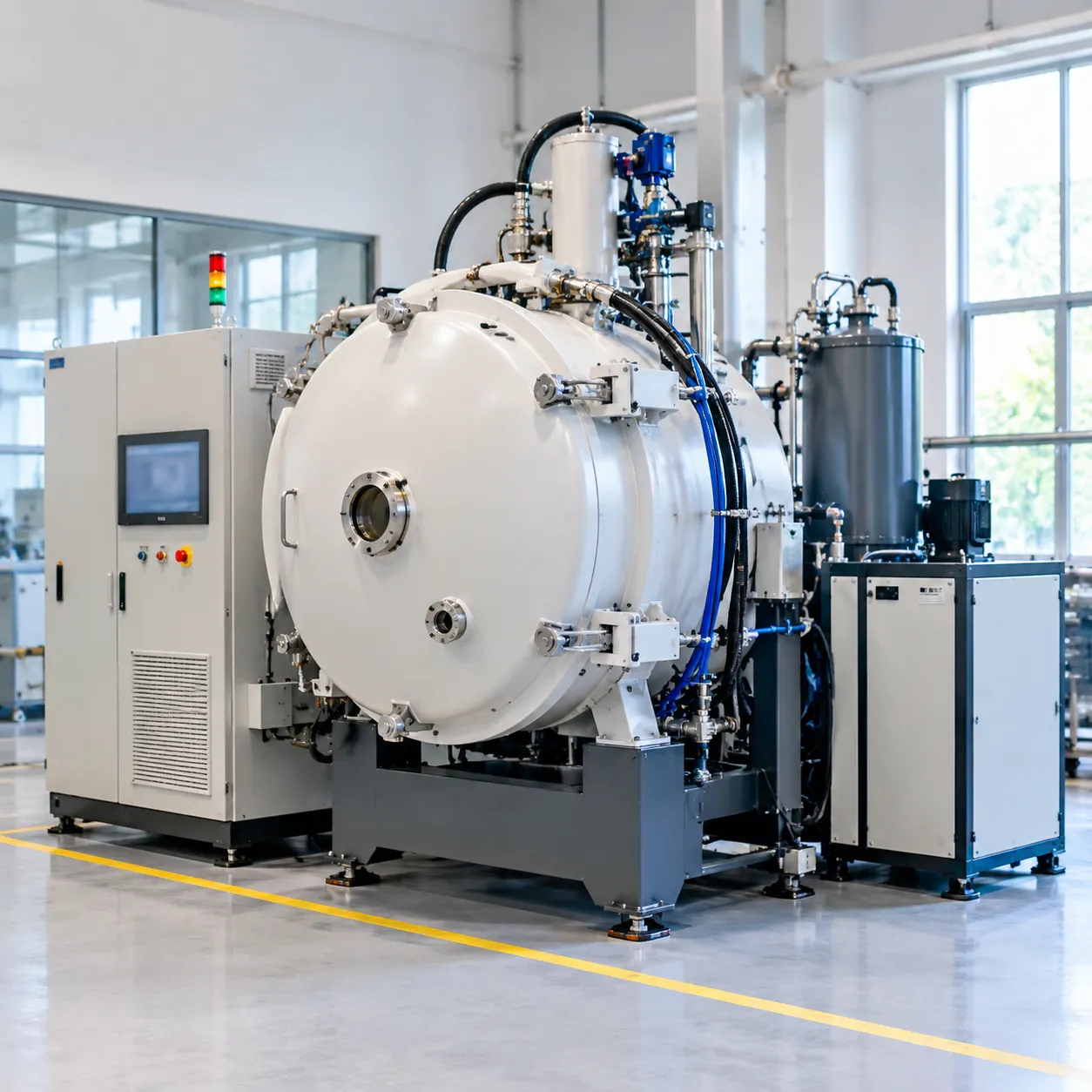
A quick quench vacuum furnace is an advanced thermal processing system designed to heat materials in an oxygen-free vacuum atmosphere and rapidly cool them using high-velocity forced gas or liquid media. In modern industrial heat treatment, this equipment achieves target metallurgical transformations—such as martensitic hardening—while preventing surface oxidation, decarburization, and contamination.
Fast cooling is critical in metallurgical processing to bypass unwanted phase transformations during the cooling cycle. Rapid heat extraction preserves fine grain structures, maximizes mechanical strength, and ensures consistent hardness throughout the material core without compromising part geometry.
| Feature | Standard Vacuum Furnace | Quick Quench Vacuum Furnace |
|---|---|---|
| Cooling Mechanism | Radiative or low-pressure static cooling | High-pressure gas jet or rapid oil quenching |
| Cooling Velocity | Moderate to slow | Ultra-fast, program-controlled heat extraction |
| Metallurgical Control | Basic annealing, brazing, and stress relief | Precise martensitic transformation and hardening |
| Process Cycle Time | Longer turnaround per batch | Accelerated cooling for higher overall throughput |
| Distortion Control | Variable depending on part geometry | Optimized via uniform, high-velocity gas distribution |
Why Choose Haitem Furnace
We engineer heavy-duty thermal processing systems built for maximum precision, operational consistency, and industrial productivity.
-
- Custom Engineering: We build custom chamber sizes, load capacities, and hot-zone configurations tailored to your specific alloy types and production volumes.
- Vacuum & Cooling Integration: Our designs seamlessly combine deep ultimate vacuum capabilities with instant high-pressure quenching.
- Stable Thermal Performance: Advanced insulation and zone heating guarantee strict temperature uniformity across complex load layouts.
- Industrial Control System: Fully automated PLC and touchscreen HMI interfaces provide real-time process logging, precise recipe management, and repeatable batch processing.
Key Features and Advantages
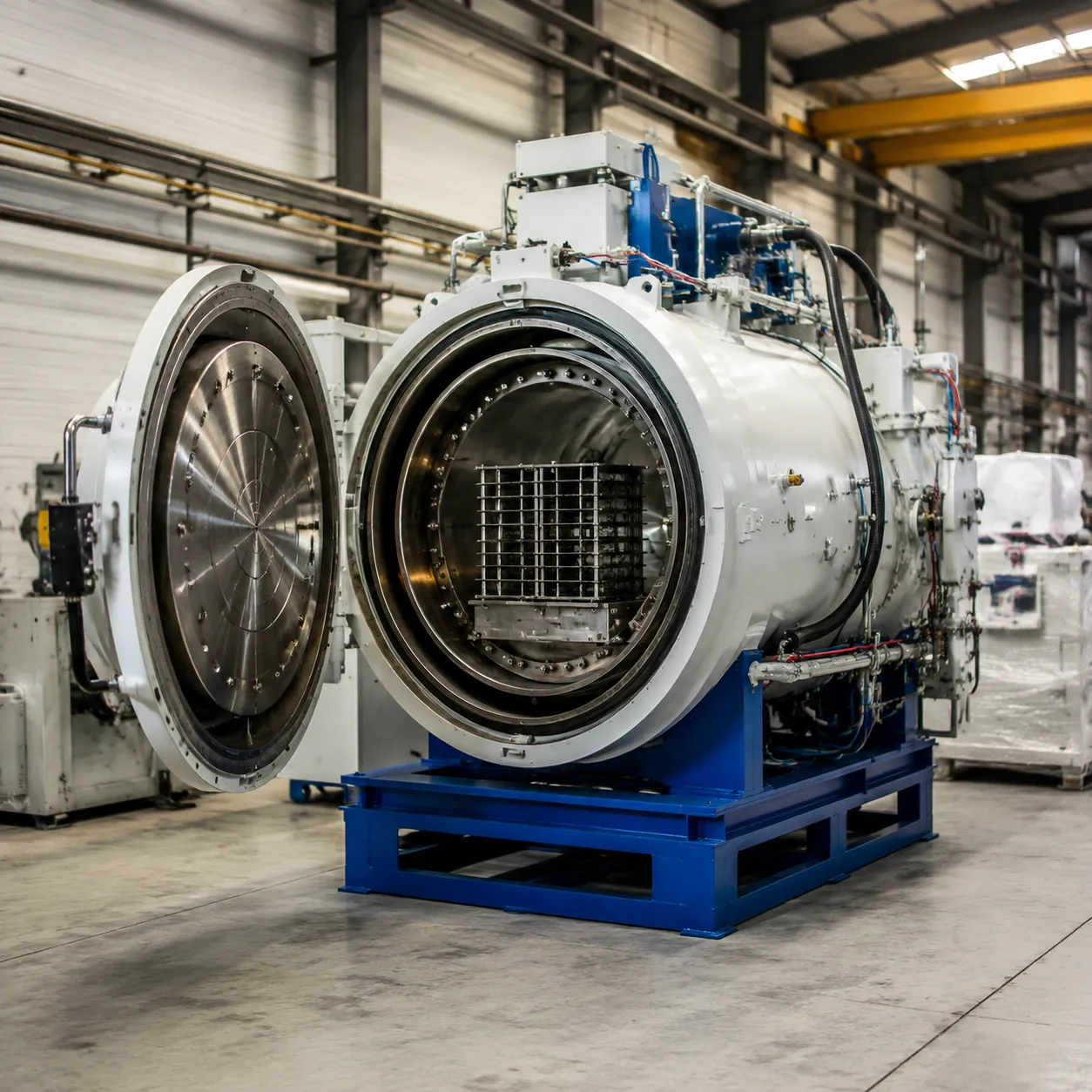
High-Speed Quenching System
-
- Rapid Forced Cooling: Accelerates heat extraction to shorten overall cycle times and maximize daily throughput.
- Critical Transformations: Delivers the precise cooling rates required to achieve target hardness and microstructural integrity.
- Distortion Control: Engineered gas flow patterns minimize thermal stress and prevent part distortion on complex geometries.
Vacuum Protection for Clean Surface Quality
-
- Zero Oxidation & Decarburization: High-vacuum processing eliminates atmospheric contamination and scale formation.
- Bright Surface Finish: Parts exit the chamber clean and bright, dramatically reducing or eliminating post-processing grinding.
- Process Efficiency: Clean surfaces streamline overall operations across demanding industrial heat treatment workflows.
Precision Temperature Control
-
- Multi-Zone Heating: Multi-zone control configuration guarantees stable thermal uniformity throughout the work zone.
- Process Repeatability: Digital controls log and execute exact heating curves for consistent batch-to-batch results.
Core Features at a Glance
| Feature Category | Technical Capability | Operational Advantage |
|---|---|---|
| High-Pressure Gas Quenching | Nitrogen, argon, or helium media with directional flow control | Clean, low-distortion cooling for tool steels and precision alloys |
| Oil Quenching Options | Fast heat transfer for high-hardenability alloys | Maximum quench intensity for thick structural components |
| Custom Industrial Design | Single-chamber, dual-chamber, and customizable load sizes | Seamless integration with automated loading and transfer systems |
Flexible Quenching and Custom Design
We configure each vacuum quench furnace to align with specific material requirements and shop footprints. From custom chamber dimensions and hot zone materials to fully automated transfer systems and SCADA integration, our equipment adapts directly to modern production lines.
Technical Specifications
Core Technical Parameters
We engineer every quick quench vacuum furnace to deliver tight process tolerances, rapid cooling performance, and maximum thermal efficiency.
-
- Maximum Operating Temperature: Up to 1350°C (2462°F) with standard operation at 1200°C.
- Ultimate Vacuum Level: 6.6 x 10^-3 Pa with high-vacuum diffusion pump setup; 6.6 x 10^-1 Pa with mechanical pump systems.
- Quenching Pressure Range: Adjustable from 2 bar up to 20 bar for forced-gas cooling. Explore our high-capacity gas quench vacuum furnace systems built for extreme metallurgical demands.
- Cooling Medium Type: High-purity Nitrogen, Argon, Helium, or industrial quench oil options.
- Temperature Uniformity: +/- 5°C (+/- 9°F), compliant with AMS 2750 standards.
- Load Capacity: Standard configurations handle 100 kg to 1,500 kg per batch.
- Chamber Dimensions: Available in horizontal front-loading or vertical bottom-loading geometries.
- Heating Zone Design: Choice of composite graphite felt with graphite heating elements or molybdenum/all-metal radiation shields.
- Control System: Fully automated industrial PLC integration with multi-recipe HMI touchscreen and SCADA connectivity.
- Power Supply Requirements: Standard 380V / 440V / 480V, 3-phase, 50/60 Hz customized to local site specifications.
Recommended Specification Table
| Model | Heating Temp. | Vacuum Level | Quenching Pressure | Chamber Size (W×H×L mm) | Load Weight | Heating Elements | Control System | Cooling Method | Available Customization |
|---|---|---|---|---|---|---|---|---|---|
| HT-VQ669 | 1350°C | 6.6×10^-3 Pa | 6 bar / 10 bar | 600 × 600 × 900 | 500 kg | High-density Graphite | Siemens PLC + HMI | High-pressure Gas Quench | Chamber, automation, voltage |
| HT-VQ9912 | 1350°C | 6.6×10^-3 Pa | 10 bar / 15 bar | 900 × 900 × 1200 | 1000 kg | Graphite / Molybdenum | Siemens PLC + HMI | Forced Gas / Oil Quench | Hot zone type, load capacity |
| HT-VQ121215 | 1300°C | 6.6×10^-3 Pa | 15 bar / 20 bar | 1200 × 1200 × 1500 | 1500 kg | High-purity Graphite | Allen-Bradley PLC | 360° Directional Gas Quench | Turnkey line, handling system |
How the Quick Quench Vacuum Furnace Works
Our quick quench vacuum furnace operates through three precisely orchestrated stages to lock in target metallurgical properties without surface oxidation.
Heating Stage
-
- Workpiece Loading: Parts enter the sealed vacuum chamber.
- Vacuum Evacuation: Vacuum pumps eliminate atmospheric gases to protect surface integrity.
- Controlled Heating: Heating elements apply uniform thermal energy according to programmed soak profiles, leveraging optimized heat transfer in a vacuum furnace to reach target transformation temperatures.
Quenching Stage
-
- Rapid Cooling Transition: The furnace immediately initiates the rapid cooling phase upon completing the thermal soak.
- Quench Media Activation: High-pressure inert gas (nitrogen, argon, helium) or oil quenching engages instantly based on metallurgical requirements.
- Dynamic Speed Control: Cooling rates are modulated to achieve desired hardness values while preventing part distortion.
Process Control and Repeatability
-
- PLC/HMI Automation: Programmable logic controllers handle sequence execution via intuitive touchscreen interfaces.
- Temperature Curve Monitoring: Multi-zone thermal sensors continuously track and record temperature profiles in real time.
- Batch Logging: Automated data logging captures operating parameters to ensure total traceability and batch-to-batch consistency.
Quenching Technology Options
High-Pressure Gas Quenching
High-pressure gas quenching (HPGQ) provides maximum dimensional stability and brilliant surface quality.
-
- Target Applications: Precision tool steels, die steels, and advanced materials that demand tight tolerances.
- Quenching Gases: High-purity nitrogen, argon, and helium.
- Primary Advantage: Clean processing that eliminates post-quench washing, degreasing, and secondary surface finishing.
Vacuum Oil Quenching
For thick cross-sections and alloys requiring aggressive heat extraction, our oil quench vacuum furnace configurations deliver maximum cooling intensity.
-
- Target Applications: Heavy carbon steel components, low-alloy steels, and dense structural parts.
- Gas vs. Oil Selection: While gas quenching offers superior cleanliness and lower distortion, oil quenching is preferred when an alloy's critical cooling velocity exceeds the transfer capability of high-pressure gas.
Rapid Forced-Cooling Systems
Our proprietary forced-cooling designs integrate high-velocity blowers and multi-directional nozzle arrays to maximize heat dissipation rates.
-
- Shorter Cycle Times: Fast transition from heating to cooling phases reduces overall cycle length.
- Higher Throughput: Increases total tonnage processed per shift.
- Superior Efficiency: Lowers unit processing costs while maintaining precise metallurgical control.
| Quenching Method | Cooling Medium | Ideal Material / Component | Core Advantage |
|---|---|---|---|
| High-Pressure Gas | Nitrogen, Argon, Helium | Tool steels, delicate dies, precision alloys | Zero residue, minimal distortion, bright surface |
| Vacuum Oil | Quench Oil | Heavy-section carbon steels, low-alloy steels | Maximum quench severity for deep hardening |
| Rapid Forced-Gas | Directional Inert Gas | High-volume production parts | Fast turnaround times and consistent batch control |
Quick Quench Vacuum Furnace Applications
Our quick quench vacuum furnace systems are built to process critical engineering materials that demand strict thermal control, clean surfaces, and minimal part distortion.
Compatible High-Performance Materials
We design our thermal processing equipment to handle a broad range of high-value alloys and engineered components:
-
- Tool & Die Steels: Air-hardening and oil-hardening steels (such as H13, D2, A2, and high-speed steels) requiring exact hardness profiles.
- Stainless Steels: Martensitic, austenitic, and precipitation-hardening stainless grades.
- Titanium Alloys & Superalloys: Reactive metals and nickel-based superalloys sensitive to atmospheric contamination.
- Precision Mechanical Parts: High-tolerance gears, bearings, shafts, and fasteners.
- Powder Metallurgy Components: Dense sintered parts processed using specialized powder metallurgy heat treatment cycles.
Industrial Applications and Thermal Processes
By combining deep vacuum protection with high-velocity forced cooling, our systems perform multiple thermal treatment operations in a single clean environment:
-
- Vacuum Hardening & Tempering: Achieves uniform core-to-surface hardness without oxidation or surface decarburization in an advanced vacuum heat treatment furnace.
- Vacuum Annealing & Stress Relieving: Restores alloy ductility and relieves machining stresses while maintaining bright surface finishes.
- Vacuum Brazing: Produces clean, high-strength fluxless joints for intricate fluid channels and multi-material assemblies.
- Aerospace Components: Processing critical turbine blades, structural airframe parts, and landing gear assemblies.
- Automotive & Drivetrain Parts: Precision treatment of transmission gears, fuel injectors, and powertrain components.
- Mold & Die Manufacturing: Distortion-free hardening of large plastic injection molds, stamping dies, and aluminum die-casting tools.
Benefits for End Users: Quick Quench Vacuum Furnace Advantages
We design our quick quench vacuum furnace systems to deliver measurable improvements across product quality, shop-floor throughput, and bottom-line business performance.
Superior Product Quality
Integrating rapid forced cooling within an oxygen-free chamber ensures peak metallurgical performance without compromising component integrity.
-
- Zero Surface Oxidation: High vacuum levels eliminate surface oxidation and decarburization, yielding clean, bright surface finishes.
- Minimal Part Deformation: Controlled, high-pressure gas quenching manages thermal gradients, preserving strict dimensional tolerances and reducing distortion.
- Optimized Microstructure: Accelerated cooling rates achieve target hardness and fine grain structures in tool steels, stainless alloys, and titanium components.
- Reduced Post-Processing: Superior surface preservation minimizes or eliminates the need for post-heat-treatment grinding, pickling, or polishing.
High-Throughput Production Benefits
Our rapid cooling vacuum furnace technology shortens overall cycle times to maximize operational capacity.
| Operational Factor | Standard Vacuum Processing | Haitem Quick Quench Performance |
|---|---|---|
| Cooling Cycle Time | Slow passive/low-pressure gas cooling | Accelerated high-pressure gas or oil quenching |
| Batch Consistency | Minor thermal variance across loads | Multi-zone heating & uniform quench control |
| Rework & Scrap Rate | Moderate risk of part distortion | Minimal scrap via automated quench profiles |
| Post-Treatment Costs | High machining and cleaning overhead | Direct-to-assembly or minimal finish grinding |
-
- Shorter Cycle Times: High-velocity forced gas distribution rapidly reduces chamber temperatures, cutting overall process durations.
- Higher Batch Throughput: Faster turnover between loads maximizes daily output and equipment utilization.
- Repeatable Batch Consistency: Real-time process logging ensures every batch meets exact microstructural and hardness specifications.
Strategic Business Advantages
Investing in our precision heat treatment furnace systems strengthens operational control while reducing total manufacturing costs.
-
- Lower Operating Costs: Reduced scrap rates, eliminated chemical cleaning steps, and optimized cycle times reduce cost per part.
- Higher Component Value: Delivering clean, defect-free parts enhances product performance and customer confidence.
- Simplified Quality Assurance: Automated data tracking simplifies audits and compliance with strict industrial standards.
- Tailored Line Integration: We engineer custom engineering solutions matched precisely to your facility footprint, load requirements, and production workflows.
Custom Engineering Options
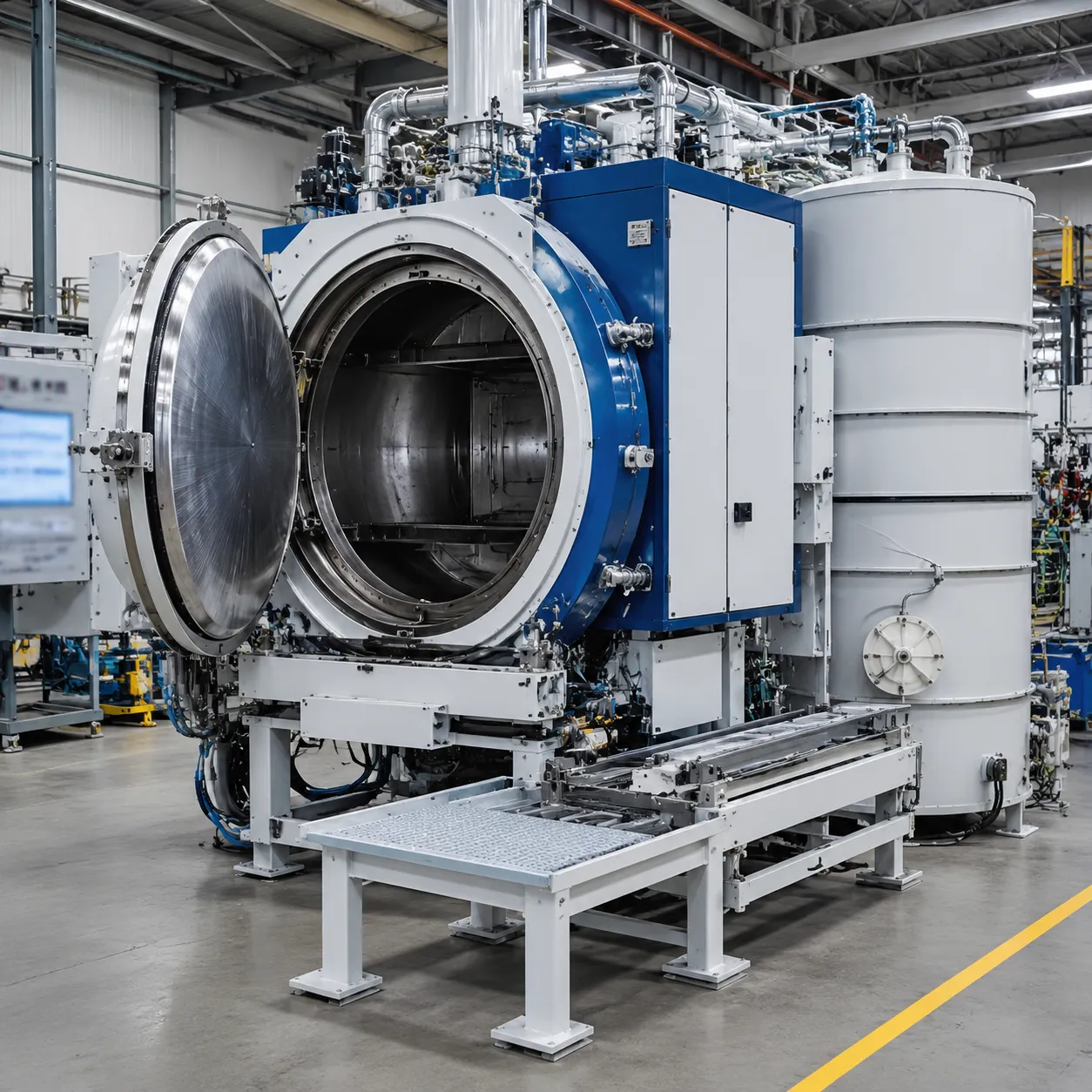
We build every quick quench vacuum furnace to meet exact production requirements, material specifications, and facility constraints. Our technical team delivers tailored equipment configurations that optimize heating efficiency, cooling rates, and batch repeatability. Through our dedicated design and engineering services, we deliver reliable vacuum heat treatment systems optimized for your production line.
Furnace Chamber and Hot Zone Design
-
- Custom Chamber Dimensions: Engineered to fit precise part geometries, heavy payload weights, and tight workshop footprints.
- Hot Zone Materials: Configured with high-purity all-graphite, molybdenum, or metallic radiation shielding based on process purity and temperature limits.
- Structural Load Support: Reinforced hearth designs engineered to maintain alignment under extreme thermal cycles and high-velocity gas flows.
Automation and Handling
-
- Automated Loading/Unloading: Motorized charge cars and automatic transfer systems designed to reduce labor and protect operator safety.
- Transfer Systems: Custom horizontal and vertical work-handling modules for seamless integration into multi-stage heat treatment lines.
- SCADA & Data Integration: Real-time data logging and remote monitoring capabilities fully compatible with plant-wide SCADA and MES networks.
Control and Monitoring
-
- PLC & Touchscreen HMI: Programmable logic controllers with multi-zone heating control and intuitive recipe management.
- Process Tracking: Automatic temperature curve recording, vacuum level logging, and complete batch traceability.
- Safety Monitoring: Multi-level safety interlocks, over-temperature cutoffs, and automated gas pressure relief systems.
OEM/ODM and Turnkey Project Support
| Engineering Service | Technical Scope | Operational Advantage |
|---|---|---|
| Custom Furnace Development | Tailored chamber geometry, custom gas nozzle placement | Fits unique part shapes and specialized cycle requirements |
| Process Engineering | Thermal profiling, recipe optimization, cycle testing | Accelerates process validation and metallurgical consistency |
| Turnkey Project Delivery | Complete furnace, cooling system, and power supply integration | Reduces project lead times and installation risks |
| Commissioning & Support | On-site assembly, vacuum leak testing, system validation | Ensures rapid startup and stable long-term operation |
Quality, Reliability, and Compliance
We engineer every quick quench vacuum furnace to meet strict global industrial standards, ensuring long-term operational safety, vacuum integrity, and repeatability for high-volume production.
ISO and CE Manufacturing Standards
Our factory operations leverage advanced manufacturing capabilities to maintain strict quality control throughout the entire fabrication process:
-
- ISO-Based Quality Management: Standardized manufacturing workflows track quality from component sourcing through final furnace assembly.
- CE Compliance Options: Electrical cabinets, pressure vessels, and automation systems engineered to meet international safety directives.
- Industrial Safety Focus: Integrated pressure relief valves, safety interlocks, and automated shutdown protocols protect operators during high-pressure gas quenching.
Process Consistency and Reliability
| Parameter | Performance Standard | Engineering Implementation |
|---|---|---|
| Thermal Repeatability | Stable cycle-to-cycle performance | Multi-zone PID control minimizes temperature drift across batches. |
| Cooling Uniformity | Symmetrical heat extraction | Gas nozzle arrangements eliminate directional thermal stress and distortion. |
| Equipment Uptime | Continuous duty cycles | Premium hot-zone insulation and heavy-duty vacuum chamber construction. |
Factory Inspection and Testing
Every quick quench vacuum furnace undergoes comprehensive factory acceptance testing (FAT) prior to dispatch:
-
- Vacuum Integrity Testing: Helium mass spectrometer leak detection verifies chamber seal integrity and low outgassing rates.
- Temperature Uniformity Surveys: Multi-point thermocouple testing verifies tight heat distribution across the working zone.
- Performance Validation: Full-cycle cooling and pressure tests confirm rapid gas quench speeds and structural stability under load.
Comparison: Quick Quench Vacuum Furnace vs. Conventional Furnace
When comparing a quick quench vacuum furnace to conventional heat treatment furnaces, the metallurgical and operational advantages directly impact your bottom line. We engineer our vacuum quenching systems to eliminate surface degradation and thermal distortion common in legacy systems.
Key Differences
| Process Parameter | Quick Quench Vacuum Furnace | Conventional Furnace |
|---|---|---|
| Atmosphere Control | High-vacuum protection; zero oxidation or decarburization | Open air or basic protective gas; prone to surface scaling |
| Cooling Capability | High-pressure, directional gas/oil rapid forced cooling | Slow ambient air, still oil, or basic fan cooling |
| Surface Finish | Bright, clean part surfaces; minimal post-cleaning needed | Oxide layers formed; requires shot blasting or acid washing |
| Dimensional Stability | Uniform heat extraction minimizes thermal distortion | High risk of part warping, stress cracking, and dimensional drift |
| Process Precision | Fully automated PLC cycle logging and multi-zone control | High manual variance and inconsistent thermal distribution |
When to Choose Quick Quench
-
- Fast Cooling Demands: Essential for achieving critical hardness levels in modern tool steels, die steels, and structural alloys.
- Distortion-Sensitive Components: Vital for complex geometries and thin-walled parts that require tight dimensional tolerances.
- High-Value Alloy Processing: Ideal for titanium, superalloys, and precision medical components where surface contamination is unacceptable.
- Clean Heat Treatment Requirements: Necessary when post-process grinding, machining, or chemical cleaning must be minimized or eliminated.
Why Choose Haitem Furnace for Quick Quench Vacuum Furnace Solutions
We engineer and manufacture high-performance quick quench vacuum furnace systems built to meet demanding heat treatment specs. By combining deep thermal process expertise with robust industrial manufacturing, we deliver reliable, long-lasting equipment tailored to your exact production requirements. Explore our comprehensive line of industrial vacuum furnaces engineered for clean, high-precision thermal processing.
| Core Pillar | Capabilities & Capabilities |
|---|---|
| Engineering Strength | Custom hot zone design, process modeling, and precise cooling rate configuration |
| Manufacturing Capability | Extensive production experience, OEM/ODM solutions, and global delivery |
| Service & Support | On-site installation guidance, rapid spare parts supply, and lifetime technical support |
Engineering Strength
-
- Custom Engineering: We customize chamber sizes, hot zone layouts, and quenching gas pressures based on your part geometries and metallurgical targets.
- Process Selection: Our technical team evaluates your alloys—whether tool steel, stainless steel, or titanium—to optimize heat extraction and eliminate distortion.
- Application Expertise: We optimize furnace parameters specifically for vacuum hardening, annealing, brazing, and stress relieving.
Manufacturing Capability
-
- Production Experience: Decades of specialized manufacturing ensure strict quality control and structural durability across every unit.
- OEM/ODM Support: We partner directly with clients to build bespoke thermal processing equipment under flexible manufacturing agreements.
- Global Delivery: Proven logistics networks allow us to manage end-to-end shipping and project delivery for facilities worldwide. Access our factory-direct vacuum furnace solutions tailored for international industrial standards.
Complete Service Support
-
- Installation Guidance: On-site and remote engineering support for assembly, vacuum testing, and initial commissioning.
- Spare Parts Availability: Ready inventory of heating elements, thermal insulation, seals, and pump components to minimize downtime.
- Technical Consultation: Ongoing after-sales assistance, process troubleshooting, and routine maintenance guidance to maintain long-term performance.
Quick Quench Vacuum Furnace FAQ
What is a quick quench vacuum furnace used for?
We build the quick quench vacuum furnace to combine rapid, forced cooling with total vacuum protection. It is primarily used for vacuum hardening, annealing, stress relieving, and high-precision heat treatment of critical metal components. The process prevents surface oxidation, eliminates decarburization, and preserves precise dimensional tolerances for high-value alloys.
What is the difference between gas quenching and oil quenching?
| Feature | High-Pressure Gas Quenching | Vacuum Oil Quenching |
|---|---|---|
| Cooling Medium | Inert gases (Nitrogen, Argon, Helium) | Quench oil |
| Surface Finish | Bright, clean, zero post-cleaning required | Requires post-quench washing |
| Distortion Risk | Minimal due to uniform gas distribution | Higher thermal shock potential |
| Best Application | Tool steels, die steels, thin-wall parts | Large cross-sections, low-hardenability steels |
Which materials are suitable for quick quench vacuum heat treatment?
Our vacuum quenching equipment handles a broad range of high-performance metals:
Tool & Die Steels: D2, H13, A2, S7, and high-speed steels (M2, M42).
Stainless Steels: Martensitic (400 series) and precipitation-hardening alloys (17-4PH).
Specialty Alloys: Titanium alloys, nickel-based superalloys, and cobalt alloys.
Engineered Metals: Powder metallurgy components and precision automotive parts.
How do I choose the right quenching pressure?
Gas quenching pressure depends on part thickness, core mass, and material hardenability:
2 to 6 bar: Ideal for high-alloy tool steels, small cross-sections, and complex shapes prone to distortion.
10 to 20 bar: Required for thick sections, dense loads, and lower-hardenability alloys needing extreme cooling rates.
Can the furnace be customized for my chamber size and load weight?
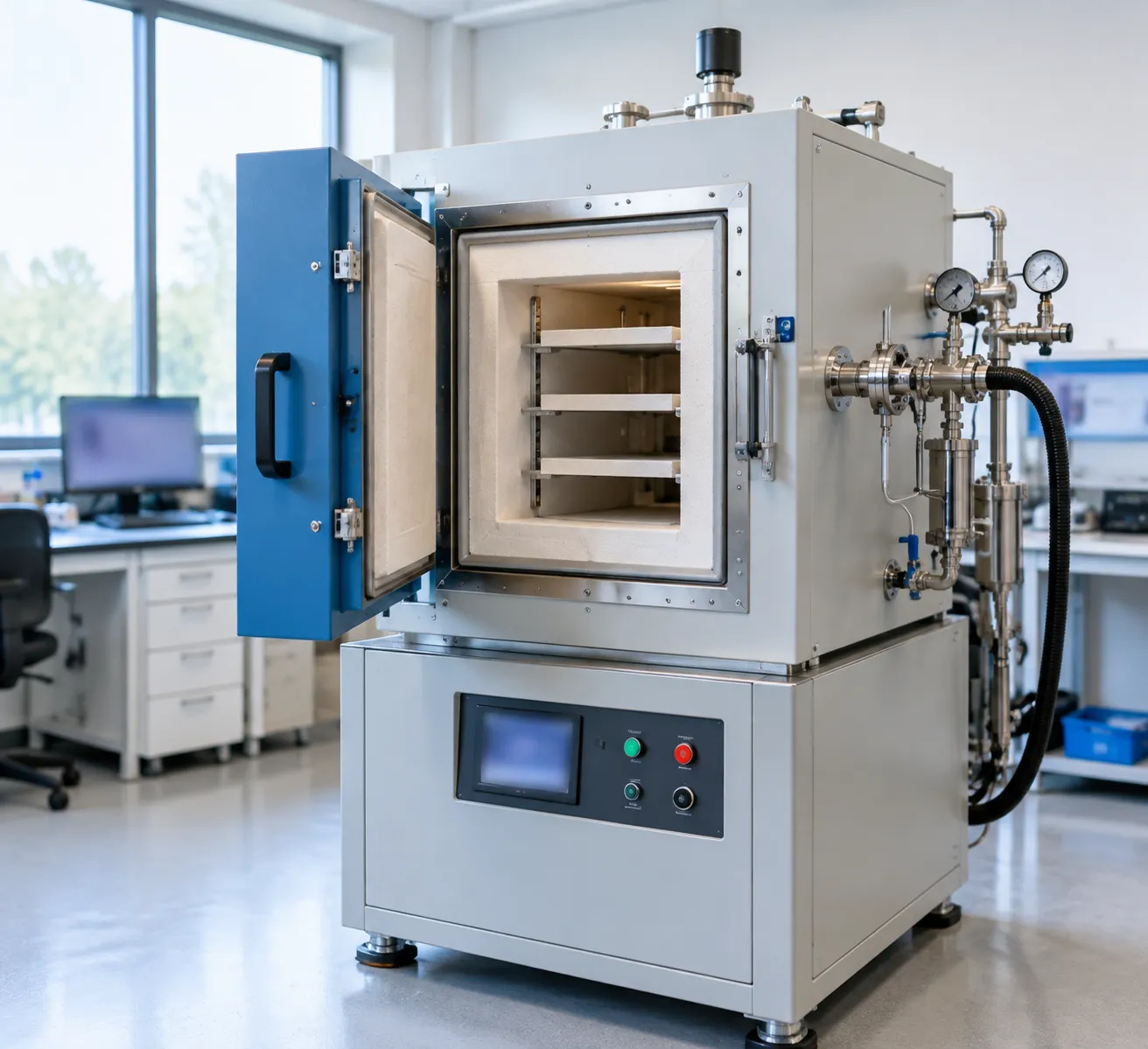
Yes. We custom-engineer every high pressure gas quenching furnace to your production specifications. We adjust chamber dimensions, heating element layouts, load capacities, and cooling gas flow patterns. For smaller batch trials or laboratory settings, we also produce specialized setups like our benchtop vacuum furnace.
What is the typical delivery and commissioning process?
-
- Design Approval: We verify load requirements, thermal profiles, and factory footprint.
- Manufacturing & In-House Testing: We assemble the unit and run complete vacuum integrity and thermal uniformity tests (FAT).
- Delivery & Site Setup: We ship the system to your facility and handle installation supervision.
- Commissioning & Training: Our engineers tune the gas quench vacuum furnace, run test cycles, and train your operating team.
Does Haitem Furnace provide OEM/ODM solutions?
Yes. We deliver complete OEM/ODM manufacturing support for engineering firms, brand partners, and industrial end-users. This includes customized hot zone designs, branded control interfaces, specialized SCADA integration, and turnkey thermal processing lines.