What Is an Autoclave?
Definition and Working Principle
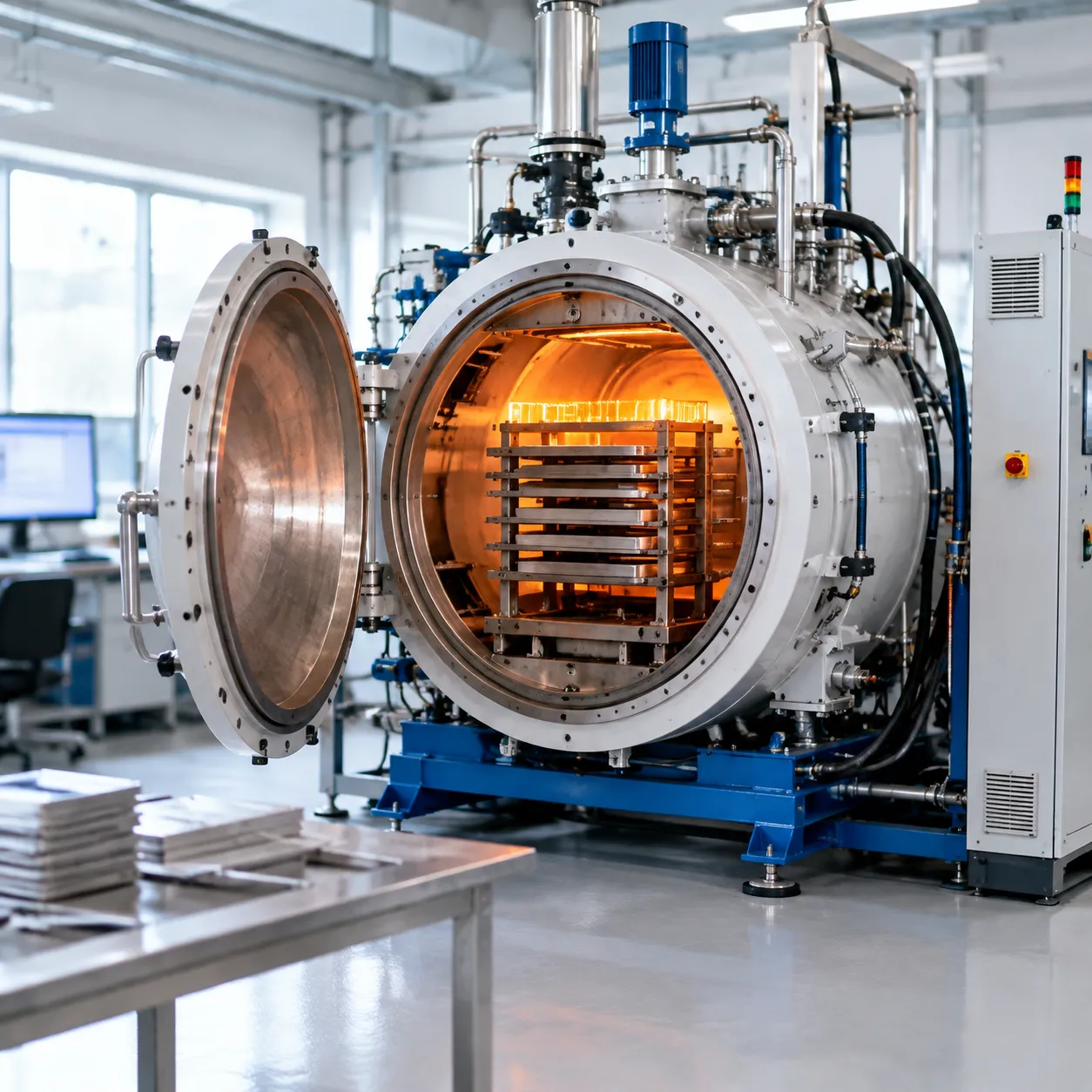
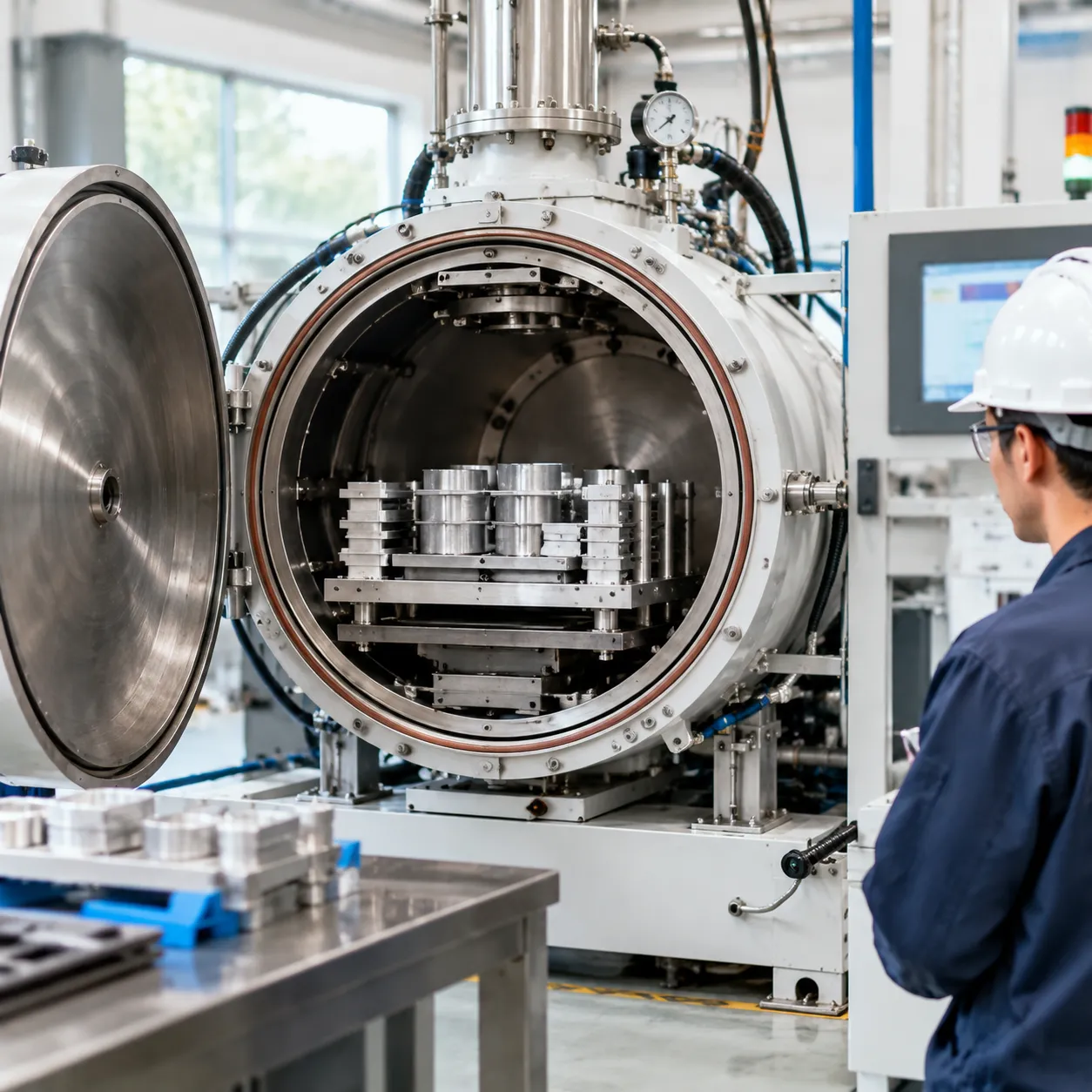
An autoclave pressure vessel is a specialized, high-strength sealed chamber engineered to process materials under elevated temperature and forced positive pressure.
Unlike standard heating ovens, an industrial autoclave forces gas (such as air or inert nitrogen) or steam into the chamber, raising internal pressure well above atmospheric levels. This forced mechanical pressure collapses internal voids, removes trapped gas bubbles, and ensures complete material density during heating.
Main Functions of an Industrial Autoclave
We utilize autoclaves to perform several high-precision industrial and laboratory operations:
-
- Composite Curing: Consolidating carbon fiber and resin prepregs to form lightweight, high-strength structural components.
- Positive Pressure Sterilization: Using high-temperature saturated steam to neutralize bacteria, viruses, and microorganisms on instruments and laboratory media.
- Glass Lamination: Bonding multiple sheets of glass with polymer interlayers under heat and pressure to build architectural safety glass and ballistic panels.
- Rubber Vulcanization: Applying uniform heat and pressure to cross-link polymer chains, enhancing elasticity and durability in heavy industrial rubber products.
Common Industries Using Autoclaves
-
- Aerospace & Defense: Fabricating primary flight structures, wing assemblies, and stealth panels using a specialized composite curing autoclave.
- Medical & Pharmaceutical: Ensuring absolute decontamination of surgical equipment, bio-reactors, and lab waste under strict compliance protocols.
- Automotive & Motorsports: Manufacturing high-end carbon-fiber chassis, aerodynamic trim, and laminated safety windshields.
- Electronics & Advanced Materials: Encapsulating sensitive components and processing high-performance resin matrices.
What Is a Vacuum Furnace?
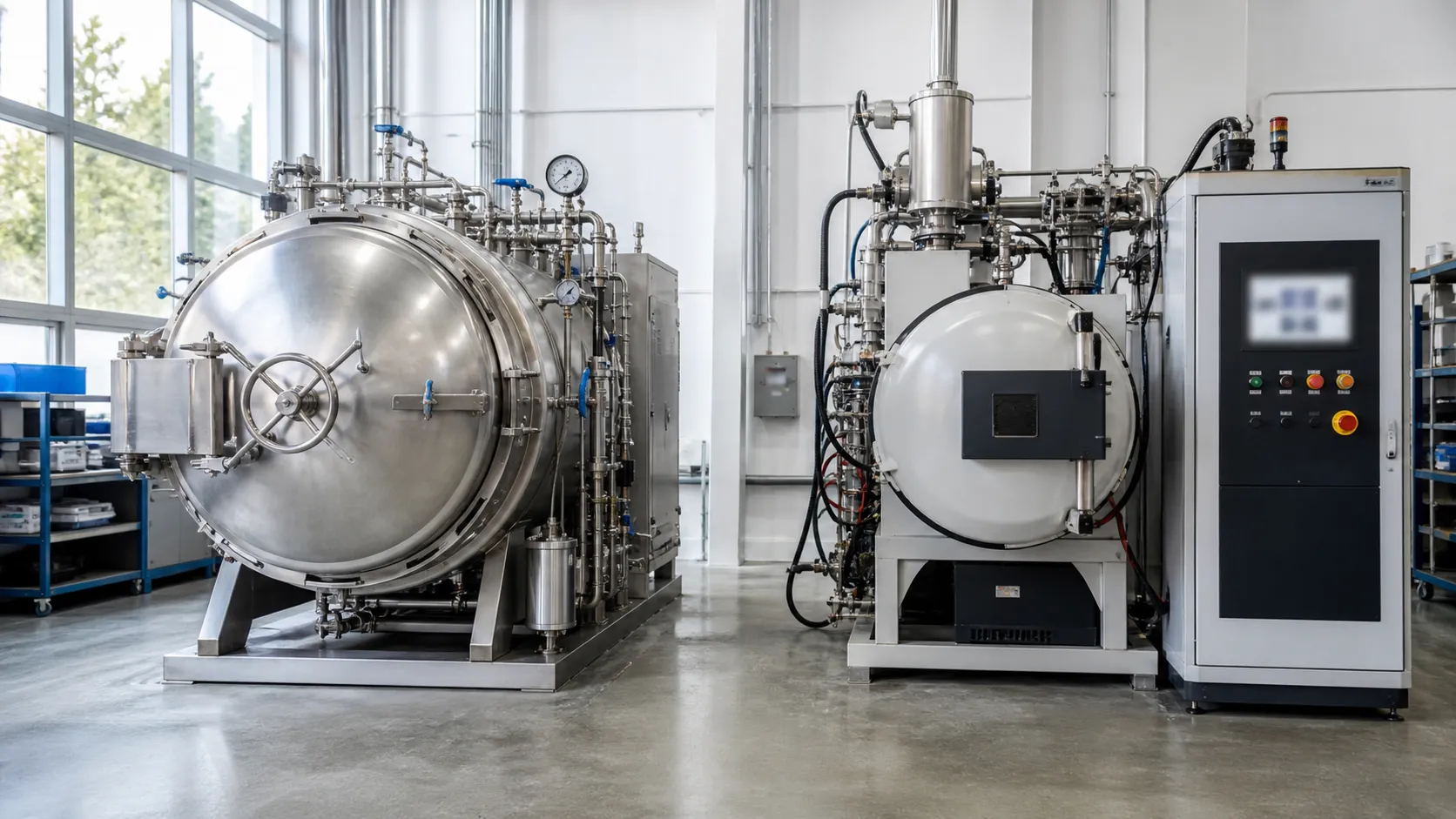
A vacuum furnace is an industrial thermal processing unit designed to heat materials at high temperatures within an oxygen-free environment. By removing air and volatile gases from the sealed vessel before heating, we prevent oxidation, decarburization, and surface contamination. This process yields clean, bright finishes on treated parts without requiring secondary cleaning operations.
Core Working Principle and Functions
When processing advanced metallurgy, we rely on a high-performance vacuum heat treatment furnace to achieve precise, uniform heat transfer primarily through thermal radiation. Removing atmospheric gases eliminates convective heat loss and chemical reactions on the material's surface.
Our industrial vacuum heat treatment equipment performs several critical thermal processes:
-
- Bright Annealing & Hardening: Heats metal components above critical transformation temperatures and cools them rapidly using high-purity gas quenching without surface scaling.
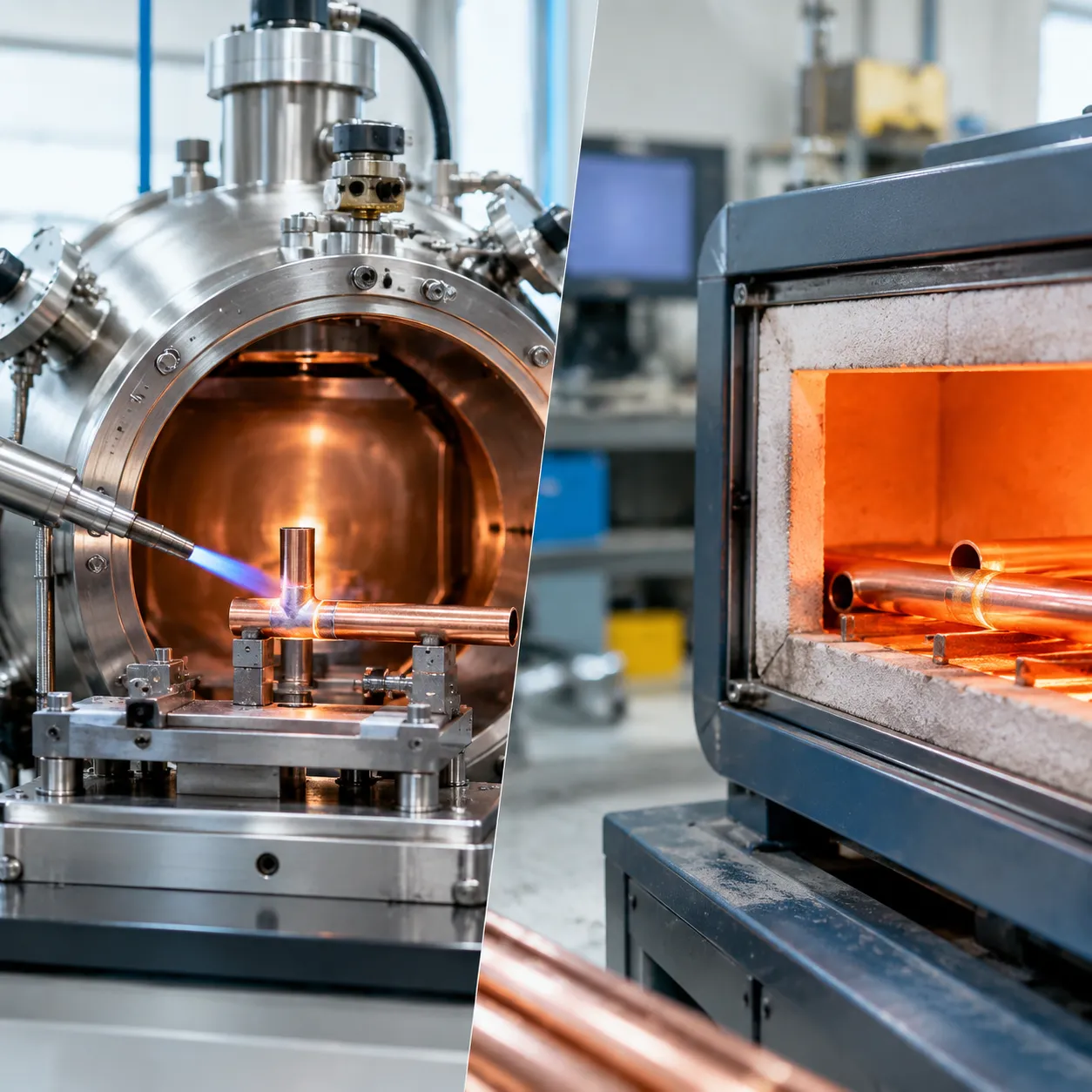
- Vacuum Brazing: Joins complex metal assemblies using filler metals without requiring corrosive chemical fluxes.
- Vacuum Sintering: Densifies molded metal powders or ceramics into solid, high-strength structural parts.
- Degassing & Outgassing: Extracts trapped gases and volatile impurities from specialized alloys to enhance structural integrity.
Common Industries Utilizing Vacuum Furnaces
-
- Aerospace & Defense: Processing turbine blades, engine nozzles, and structural titanium alloys.
- Automotive: Heat treating high-stress powertrain components, transmission gears, and fuel injectors.
- Medical Device Manufacturing: Producing biocompatible titanium surgical implants, orthopedic hardware, and cutting tools.
- Tool & Die Production: Hardening high-speed tool steels, stamping dies, and plastic injection molds with minimal dimensional distortion.
- Energy & Semiconductor: Manufacturing power generation hardware, high-purity silicon components, and vacuum-sealed electronics.
Autoclave vs Vacuum Furnace: Key Differences
1. Pressure Environment
-
- Autoclave Pressure Vessel: Operates using positive pressure, forcing gas (such as nitrogen or air) or steam into the chamber at elevated pressures (typically 6 to 15+ bar) to compact composite layers and eliminate voids.
- Vacuum Furnace: Operates under negative pressure (vacuum levels down to 10^-2 to 10^-6 mbar), evacuating atmospheric gases to prevent oxidation and chemical reactions.
2. Heating Method
-
- Autoclave: Relies primarily on forced convection heating, circulating hot air, steam, or pressurized inert gas around the workpiece.
- Vacuum Furnace: Relies almost exclusively on radiant heating via graphite, molybdenum, or metallic heating elements, as no air medium exists to transfer convective heat during vacuum stages.
3. Temperature Range
-
- Autoclave: Operates in the low-to-medium temperature range, typically between 120°C and 400°C (250°F to 750°F).
- Vacuum Furnace Operating Temperature: Designed for high-to-extreme thermal processing, ranging from 600°C up to 2000°C+ (1100°F to 3630°F).
4. Atmosphere Control
-
- Autoclave: Manages chamber pressure by injecting compressed gases or steam.
- Vacuum Furnace: Creates a clean, oxygen-free environment by continuously pumping out gases. It can also utilize precise inert gas backfilling (argon or nitrogen) for rapid gas quenching.
5. Main Purpose
-
- Autoclave: Specialized for composite curing, structural resin bonding, glass lamination, and high-pressure sterilization.
- Vacuum Furnace: Engineered for high-temperature metal processing, including bright annealing, hardening, stress relieving, and precision joining using a vacuum brazing furnace.
6. Material Suitability
-
- Autoclaves: Best suited for thermoset resins, carbon fiber composites, rubber vulcanization, glass, and polymers.
- Vacuum Furnaces: Built for high-performance metals, tool steels, titanium alloys, superalloys, and technical ceramics.
7. Product Quality Outcomes
-
- Autoclave: Produces void-free, highly consolidated composite components with excellent mechanical integrity and layer adhesion.
- Vacuum Furnace: Delivers bright, mirror-like metal surfaces completely free from oxidation, scaling, or decarburization, ideal for high-precision heat treatment equipment standards.
8. Maintenance and Operating Requirements
-
- Autoclave: Requires strict ASME pressure vessel safety inspections, door seal/gasket monitoring, and pressure relief valve servicing.
- Vacuum Furnace: Requires routine vacuum leak-rate testing, vacuum pump oil maintenance, and hot-zone element inspections to maintain peak performance in applications like a vacuum annealing furnace.
9. Cost Considerations
-
- Autoclave: High upfront investment driven by pressure vessel safety certifications, along with ongoing operational costs for pressurization gas consumption.
- Vacuum Furnace: Higher initial machinery costs due to advanced vacuum pumping systems and high-temperature hot zones, balanced by lower gas consumption during standard vacuum cycles.
Autoclave vs Vacuum Furnace Comparison Table
Side-by-side comparison of the most important factors
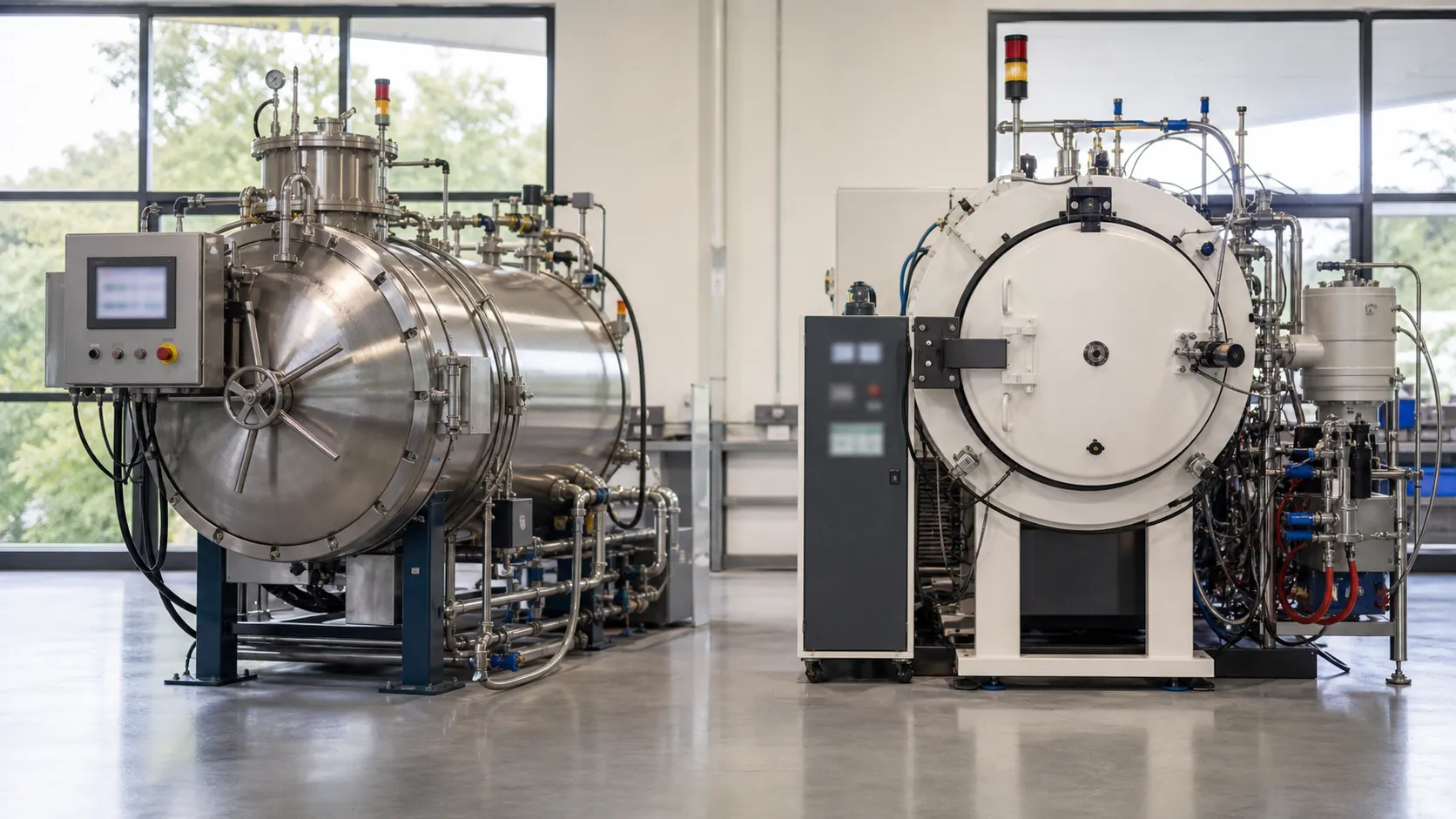
When evaluating the difference between autoclave and vacuum furnace equipment for your processing facility, comparing core technical parameters side by side gives you immediate clarity. Autoclaves rely on high positive pressure to compress materials and eliminate voids, whereas vacuum furnaces remove atmospheric gases entirely to treat high-performance metals at extreme temperatures without oxidation.
To help you decide which system aligns with your production goals, I have broken down the primary factors in this autoclave vs vacuum furnace comparison matrix:
| Key Factor | Industrial Autoclave | Vacuum Furnace |
|---|---|---|
| Pressure Environment | High positive pressure (up to 30+ bar / 450 psi) | Ultra-low vacuum pressure (10⁻² to 10⁻⁶ mbar) or inert partial pressure |
| Operating Temperature | Typically 100°C to 400°C (up to 800°C for specialized units) | High temperature ranges (1000°C to 2200°C+) |
| Heating Mechanism | Forced convection heating using pressurized air, nitrogen, or steam | Direct radiant heating via graphite or metallic elements |
| Atmosphere Control | Pressurized inert gas (Nitrogen/Argon) or steam atmosphere | Oxygen-free vacuum; eliminates surface oxidation and contamination |
| Primary Purpose | Composite curing, glass lamination, material bonding, sterilization | Hardening, annealing, vacuum brazing, and metal heat treatment |
| Material Compatibility | Carbon fiber, resin matrix composites, glass, polymers, bio-medical items | Tool steels, titanium alloys, superalloys, advanced ceramics |
| Product Quality Outcome | Void-free, high-density composite structures with tight layer adhesion | Bright, clean metal surfaces with zero decarburization |
| Operating & Maintenance Needs | Pressure vessel inspection, door seal maintenance, gas storage management | Vacuum pump maintenance, hot zone element replacement, leak checks |
Core Decision Takeaways
-
- Select an autoclave when your process relies on mechanical compaction, void reduction, and multi-layer structural bonding under high positive pressure.
- Select a vacuum furnace when your material requires high-temperature thermal processing, bright surface finishes, and an oxygen-free environment.
For an in-depth look at vacuum system configurations and thermal efficiency, explore our vacuum furnace guide or review specialized systems like vacuum sintering furnaces for high-density powder metallurgy applications.
When Should You Choose an Autoclave?
When evaluating an autoclave vs vacuum furnace, the decision hinges on whether your material requires high positive pressure or a high-vacuum thermal environment. We recommend an autoclave pressure vessel when your process demands uniform structural compaction, void elimination, or positive pressure sterilization at moderate operating temperatures.
While high-temperature furnaces dominate metal heat treatments, an autoclave is the industry standard for specialized thermal processing applications where gas pressurization bonds layers and ensures structural integrity.
Best Applications for Autoclaves
-
- Composite Curing: Manufacturing carbon fiber aerospace and automotive structures using a dedicated composite curing autoclave.
- Glass Lamination: Bonding multi-layer architectural and automotive safety glass without trapped air pockets.
- Rubber Vulcanization: Cross-linking synthetic and natural rubber compounds under precise pressure and heat.
- Sterilization: High-pressure steam treatment for medical equipment and laboratory media.
When an Autoclave Is the Right Choice
An autoclave is the ideal investment when your product relies on compressing multi-layer materials. If your primary goal is to cure resin prepregs, eliminate internal voids in composite laminates, or achieve high-density bonding across large surface areas, positive pressure is essential.
Autoclave Advantages vs. Limitations
| Feature | Autoclave Strengths | Autoclave Limitations |
|---|---|---|
| Pressure Control | Provides strong positive gas pressure (typically up to 20+ bar) for dense material compaction. | Cannot deliver the ultra-clean vacuum environment required for oxygen-free metal treatments. |
| Part Quality | Eliminates micro-voids and trapped air in carbon fiber and laminate structures. | Restricted to low and medium thermal ranges; unsuited for high-temperature metal processing. |
| Temperature Range | Delivers uniform heat distribution for processing up to 400°C–500°C. | Lower maximum temperature ceiling compared to high-temp vacuum units. |
| Operation | Easily handles large-scale, complex geometric structures in a single run. | Incurs higher gas consumption costs during pressurization and depressurization cycles. |
When Should You Choose a Vacuum Furnace?
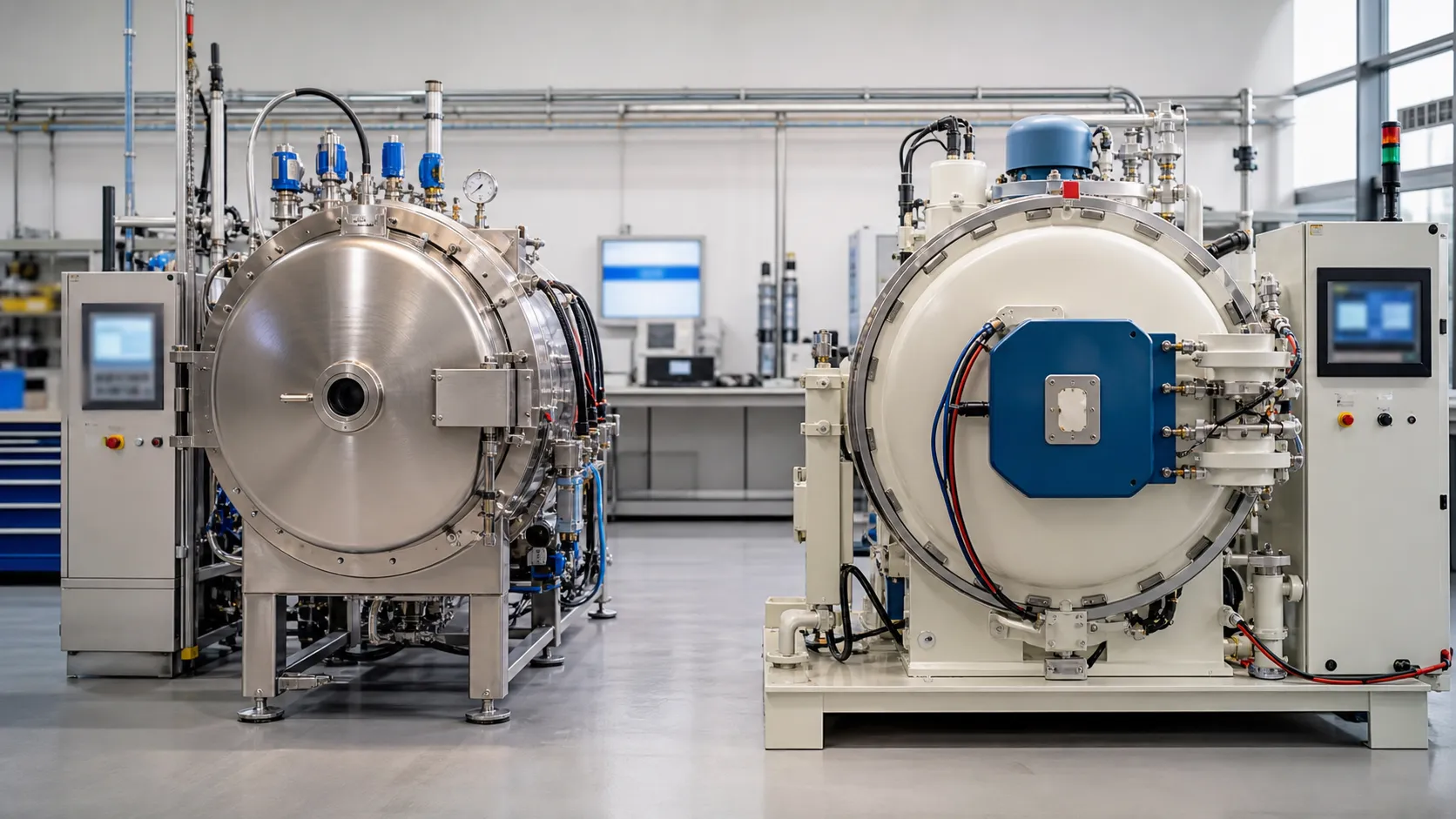
A vacuum furnace is the definitive choice when your thermal process demands extreme temperatures, strict atmosphere control, and total protection against oxidation or contamination. In our experience manufacturing thermal processing equipment, whenever you need clean metallurgical results without post-process cleaning, a vacuum environment is non-negotiable.
Best Applications for Vacuum Furnaces
-
- High-Temperature Metal Processing: Ideal for specialized operations using modern heat treatment furnaces for processes like vacuum annealing, stress relieving, and tempering.
- Precision Tool Hardening: Critical for tool steels, aerospace alloy parts, and medical implants where a high-temperature hardening furnace operating under vacuum prevents surface decarburization.
- Vacuum Brazing Furnace Work: Joining complex, multi-component assemblies without using flux, leaving zero chemical residue behind.
- Vacuum Sintering Furnace Processing: Densifying powdered metals and advanced technical ceramics at elevated thermal ranges.
Vacuum Furnace Advantages and Limitations
| Advantages | Limitations |
|---|---|
| Oxygen-Free Environment: Completely eliminates surface oxidation, scaling, and decarburization. | Higher Capital Investment: Requires higher initial equipment costs compared to standard low-temp vessels. |
| Extreme Temperature Range: Easily reaches temperatures from 1,000°C to well over 2,000°C. | No Positive Overpressure: Cannot apply positive compaction pressure to composite laminates. |
| Bright Surface Finish: Delivers clean parts ready for immediate use without acid pickling or grinding. | Quench Speed Constraints: Requires high-pressure gas quenching systems to rapidly cool specific alloys. |
| Precise Thermal Control: Ensures tight temperature uniformity throughout the entire workload. | Rigorous Seal Maintenance: Demands continuous routine maintenance on vacuum pumps and door seals. |
When weighing an autoclave vs vacuum furnace, choose a vacuum furnace whenever your primary objective is high-temperature heat treatment of metals and alloys rather than pressure-driven composite curing.
Which One Is Better for Your Application?
For Composite Curing
-
- Winner: Autoclave
- Why: Structural composite materials (like carbon fiber for aerospace and high-performance automotive parts) need high positive pressure alongside elevated heat to squeeze out trapped air and compact laminate layers tightly. An autoclave provides the necessary overpressure (often up to 10–20 bar) to achieve zero-void consolidation, which a vacuum furnace cannot provide.
For Sterilization and Laboratory Use
-
- Winner: Autoclave
- Why: Autoclaves are the gold standard for bio-decontamination, medical sterilization, and waste treatment. They use saturated steam under pressure to kill micro-organisms rapidly at modest temperatures (typically 121°C–134°C). While specialized laboratory furnaces are ideal for high-temperature material testing and dry heat processing, autoclaves handle wet sterilization needs exclusively.
For Heat Treatment of Metals
-
- Winner: Vacuum Furnace
- Why: Metal processing—such as hardening, tempering, and annealing—demands temperatures well above 1,000°C and absolute oxidation control. Vacuum furnaces remove oxygen to deliver scale-free, bright metal parts with precise microstructure consistency. They are essential equipment for high-precision industrial heat treatment of tool steels, superalloys, and reactive metals like titanium.
For Brazing and Sintering
-
- Winner: Vacuum Furnace
- Why: Powder metallurgy sintering and precision metal brazing require an oxygen-free, ultra-clean environment. Operating under fine vacuum prevents oxides from forming without needing chemical fluxes, resulting in ultra-strong metallurgical joints and dense sintered parts that autoclaves simply cannot produce.
For High-Strength, Low-Contamination Processing
-
- Winner: Vacuum Furnace
- Why: When component failure is not an option—such as in turbine blades, medical implants, or nuclear hardware—a vacuum furnace ensures maximum material purity. By pulling out volatile impurities and dissolved gases during heating cycles, it delivers maximum fatigue resistance, superior surface integrity, and repeatable quality across every batch.
Autoclave vs Vacuum Furnace: Cost, Energy, and Maintenance Comparison
| Financial & Operational Factor | Industrial Autoclave | Vacuum Heat Treatment Furnace |
|---|---|---|
| Initial Investment (CapEx) | High (ASME pressure vessel, gas storage, containment) | High to Very High (Pumping skids, hot zone alloys, power units) |
| Energy & Utility Costs | High energy for gas compression and thermal circulation | High electrical power for heating; efficient vacuum insulation |
| Key Consumables | Inert pressurization gas (N2), bagging films, door seals | Quench gases (Ar/N2), vacuum pump oil, heating elements |
| Routine Maintenance | Door gaskets, safety valves, pressure vessel testing | Vacuum pump rebuilds, hot zone restoration, leak detection |
| Long-Term Cost Drivers | Gas supply logistics & mandatory pressure recertifications | Hot zone rebuilds & high-vacuum pump overhauls |
Initial Investment
The upfront cost for a composite curing autoclave is heavily tied to structural safety and pressure vessel compliance. You are paying for heavy steel construction, high-pressure nitrogen storage tanks, and automated vacuum control manifolds. A vacuum furnace demands a similar capital outlay, but the budget goes toward multi-stage vacuum pumps, graphite or metallic hot zones, and precision power supplies required for high-temperature vacuum heat treatment.
Operating Cost
Energy usage and process media dictate daily expenses:
Autoclaves: Consume substantial power to heat and circulate pressurized gas under high industrial autoclave pressure. Inert gas consumption (typically nitrogen) adds a recurring operational expense for every processing cycle.
Vacuum Furnaces: Require significant electrical energy to reach high vacuum furnace operating temperature levels (often exceeding 1,000°C). However, the vacuum chamber acts as an ideal thermal insulator, reducing radiation loss during holding times.
Maintenance and Service
Preventive care keeps downtime low and ensures operator safety:
Autoclave Maintenance: Focuses on door seal integrity, pressure relief valve testing, vacuum line cleaning, and periodic ASME pressure vessel certifications.
Vacuum Furnace Maintenance: Demands helium leak testing, vacuum pump oil changes, thermocouple calibration, and hot zone repairs. Accessing reliable global maintenance and technical support guarantees that pump overhauls and heating element replacements do not cause unscheduled downtime.
Long-Term Ownership Cost
Evaluating long-term autoclave vs furnace cost shows distinct expenditure patterns over a 10-to-15-year lifecycle. Autoclaves deliver steady, predictable operational costs driven by inert gas consumption and routine safety inspections. Vacuum furnaces have lower per-cycle gas costs, but experience periodic capital expenditures when hot zone insulation wears out or high-vacuum pumps require comprehensive rebuilding.
Safety and Compliance Considerations
When operating high-energy thermal equipment, safety and regulatory compliance protect your facility, workforce, and finished parts. Understanding the safety profile of an autoclave vs vacuum furnace helps you design a safer plant layout and maintain compliance with local industry standards.
Autoclave Safety Factors
Autoclaves rely on positive pressure and thermal energy, creating specific operational risks:
-
- Pressure Vessel Integrity: High-pressure processing requires robust pressure relief systems and rupture discs to avoid over-pressurization risks.
- Door Interlock Systems: Automatic mechanical locks prevent operators from opening the chamber while under pressure or elevated temperatures.
- Volatile Gas Monitoring: During composite curing, off-gassing resin vapors require adequate venting and filtration systems to prevent explosive buildup.
Vacuum Furnace Safety Factors
Vacuum heat treatment equipment operates at extreme temperatures, requiring unique hazard controls:
-
- Water-Cooling Jacket Safety: Outer shell water-cooling prevents thermal burns and structural distortion. Flow and temperature sensors are critical to avoid overheating.
- Atmosphere and Gas Quenching Risks: Gas-quench systems use high-pressure inert gases (like argon or nitrogen) or flammable gases (like hydrogen). Flameless burn-off systems and automatic purge routines are essential safety features.
- Vacuum Loss Protection: Vacuum seal failures can cause rapid oxidation or hot zone damage, requiring fast emergency shut-off valves.
Standards and Quality Control
Both types of equipment must meet strict manufacturing and process standards depending on your industry:
| Equipment Type | Key International Standards |
|---|---|
| Autoclave | ASME Section VIII (Pressure Vessels), PED 2014/68/EU, NADCAP AC7118 |
| Vacuum Furnace | AMS 2750 (Pyrometry), CQI-9 (Heat Treat System Assessment), CE Marking |
We design and manufacture all standard and custom units according to strict global safety codes and quality certifications, ensuring reliable operation, consistent heat processing, and seamless audit compliance for high-spec production lines.
Common Mistakes Buyers Make When Comparing Autoclaves and Vacuum Furnaces
When evaluating an autoclave vs vacuum furnace, buyers often make critical oversights by focusing on surface-level specs rather than core operational mechanisms.
Here are the six most common pitfalls we see when buyers evaluate the difference between autoclave and vacuum furnace systems:
1. Choosing Based Only on Temperature
Maximum operating temperature is only part of the equation. While a vacuum furnace routinely reaches temperatures above 1000 °C (up to 2200 °C), an autoclave typically operates at lower temperatures (120 °C to 400 °C) while utilizing extreme positive pressure. Buying a furnace simply because it goes hotter will not help if your process requires positive mechanical force to consolidate layers.
2. Ignoring Pressure Requirements
-
- Autoclaves apply uniform positive pressure (up to 300+ psi) to crush air pockets out of composite layups or kill microbes.
- Vacuum furnaces remove atmospheric pressure down to high vacuum levels ($10^{-5}$ Torr or better) to prevent surface oxidation during metal heat treatment.
- The Mistake: Confusing positive pressure force with vacuum evacuation.
3. Overlooking Material Compatibility
Thermal equipment must match your raw substrate. Placing carbon fiber composites into a high-temperature vacuum furnace will degrade the resin matrix. Conversely, trying to perform vacuum brazing or bright annealing in an autoclave will fail due to residual oxygen. Always verify your material reaction when processing advanced materials under specific gas and thermal cycles.
4. Confusing Sterilization with Heat Treatment
While both units utilize controlled environments, their biological and metallurgical impacts are completely distinct:
Autoclaves use saturated steam or hot pressurized gas for medical sterilization and composite curing.
Vacuum furnaces deliver high-temperature heat treatment, vacuum sintering, and stress relieving for structural metals and alloys.
5. Not Considering Total Operating Cost
The purchase price is just the entry fee. Operational expenses differ significantly:
| Cost Factor | Autoclave | Vacuum Furnace |
|---|---|---|
| Primary Energy Drain | Pressurization compressor & steam/electric heating | High-power heating elements & vacuum pumps |
| Process Gas Usage | Nitrogen / inert gas for pressurization | Argon / nitrogen for rapid quench cycles |
| Auxiliary Equipment | Boiler feed systems, cooling towers | Water chillers, vacuum pumps, leak detectors |
6. Skipping Maintenance and Service Planning
Autoclaves are certified pressure vessels subject to strict ASME pressure vessel regulations and annual safety valve checks. Vacuum furnaces require routine vacuum leak testing (decay tests), hot zone rebuilding, and pump oil changes. Omitting routine maintenance in your initial budget planning leads to unexpected downtime and compliance violations.
How to Choose the Right Equipment: Practical Buying Checklist
Selecting between an autoclave vs vacuum furnace comes down to matching production requirements with the correct thermal and pressure environment. When evaluating high-performance processing equipment, we recommend following this practical checklist before making an investment decision. Review our comprehensive furnace buying guide to streamline your selection process.
| Step | Evaluation Factor | Key Considerations |
|---|---|---|
| 1 | Process Goal | Determine if your primary objective is composite consolidation, positive pressure compaction, or metal heat treatment. |
| 2 | Material Type | Identify whether you are processing resin-matrix composites, titanium alloys, tool steels, or specialized ceramics. |
| 3 | Temp & Pressure Range | Verify if your process requires high positive pressure or extreme vacuum with high thermal capability. |
| 4 | Chamber & Capacity | Match working zone dimensions, loading configurations, and batch weight limits with target output volumes. |
| 5 | Energy & Cycle Time | Evaluate heating and cooling rates, power consumption, and gas usage to forecast overall operational efficiency. |
| 6 | Safety & Compliance | Ensure strict adherence to ASME pressure vessel codes, CQI-9, AMS 2750, or relevant ISO standards. |
| 7 | Supplier Customization | Partner with experienced manufacturers offering tailored engineering, custom hot zones, and ongoing technical support. |
Essential Purchase Considerations
-
- Process Goal & Material Compatibility: Composite curing relies on positive gas pressure inside an autoclave pressure vessel to eliminate voids, whereas metal annealing, brazing, and hardening demand the oxygen-free, high-temperature environment of a vacuum furnace.
- Temperature and Pressure Capabilities: Confirm that the equipment exceeds your operational peak parameters. Vacuum furnaces regularly operate above 1200°C under deep vacuum, while composite autoclaves focus on uniform pressure distribution up to 25 bar at moderate temperatures.
- Production Capacity & Cycle Efficiency: Factor in hot zone sizing, loading mechanics, heating ramp rates, and cooling/quenching capabilities to shorten cycle times and maximize yield.
- Compliance & Technical Support: Pressure vessel safety certifications (such as ASME or CE) are essential for plant safety. Always ensure your equipment vendor provides dedicated access to reliable after-sales support for ongoing calibration, emergency service, and spare parts.
FAQ: Autoclave vs Vacuum Furnace
Is an autoclave the same as a vacuum furnace?
No. An autoclave pressure vessel relies primarily on high positive pressure and steam or inert gas at moderate temperatures (typically under 600°C) for sterilization or composite curing autoclave processing. A vacuum furnace operates under a deep vacuum environment at high temperatures (up to 2,000°C or higher) specifically designed for advanced vacuum heat treatment, brazing, and sintering.
Can a vacuum furnace be used for sterilization?
No. Vacuum furnaces operate at extreme thermal levels intended for metallurgy, which would destroy medical tools, polymers, or delicate bio-specimens. Positive pressure steam autoclaves are the dedicated, regulatory-certified standard for medical and laboratory sterilization.
Which one is better for composite curing?
An autoclave is the clear choice for high-performance composite manufacturing. It applies uniform positive fluid pressure (typically 3 to 15 bar) to compact carbon fiber layers and purge micro-voids, a feature that vacuum furnaces cannot supply.
Which one is better for metal heat treatment?
A vacuum furnace is superior for metal thermal processing. It enables bright annealing, stress relieving, hardening, and vacuum brazing without surface oxidation, scaling, or decarburization. To evaluate specific furnace configurations, explore our full line of industrial thermal treatment equipment.
Does an autoclave create a vacuum?
Yes, but only inside vacuum bags attached to the workpieces. While a vacuum bag pulls air and volatile gasses out of the composite material, the main autoclave vessel is pressurized with gas above atmospheric pressure to consolidate the part.
Why does a vacuum furnace need an oxygen-free environment?
At high heat treatment temperatures, reactive metals like titanium, tool steel, and superalloys react aggressively with atmospheric oxygen. An oxygen-free environment prevents oxidation, pitting, and discoloration, producing pristine surface finishes and exact mechanical properties.
Which equipment has higher operating cost?
Vacuum furnaces generally require higher power inputs and ongoing maintenance costs due to high-power heating elements, vacuum pumps, and rapid gas-quenching systems. However, total unit cost depends heavily on cycle times and production volume. For additional technical answers, consult our thermal equipment FAQ guide.
How do I choose the right machine for my industry?
Base your decision on temperature and pressure requirements:
Choose an autoclave if your application requires high positive pressure, vacuum bagging, or steam sterilization under 600°C (e.g., aerospace composite panels, medical sterilization).
Choose a vacuum furnace if your application requires temperatures above 600°C, zero oxidation, high-strength metal heat treatment, or high-temperature vacuum sintering.
Related Sources
- https://www.steris.com/healthcare/knowledge-center/sterile-processing/guide-to-steam-sterilization-cycles-steam-flush-pressure-pulse
- https://www.thermalproductsolutions.com/innovation-centers/why-out-of-autoclave-for-curing-of-composite-materials
- https://consteril.com/steam-sterilization-cycles-part-1-gravity-vs-vacuum/